Four months on, why Bengal BJP government grapples with rows, Sangh concerns
Source Entity
Atri Mitra
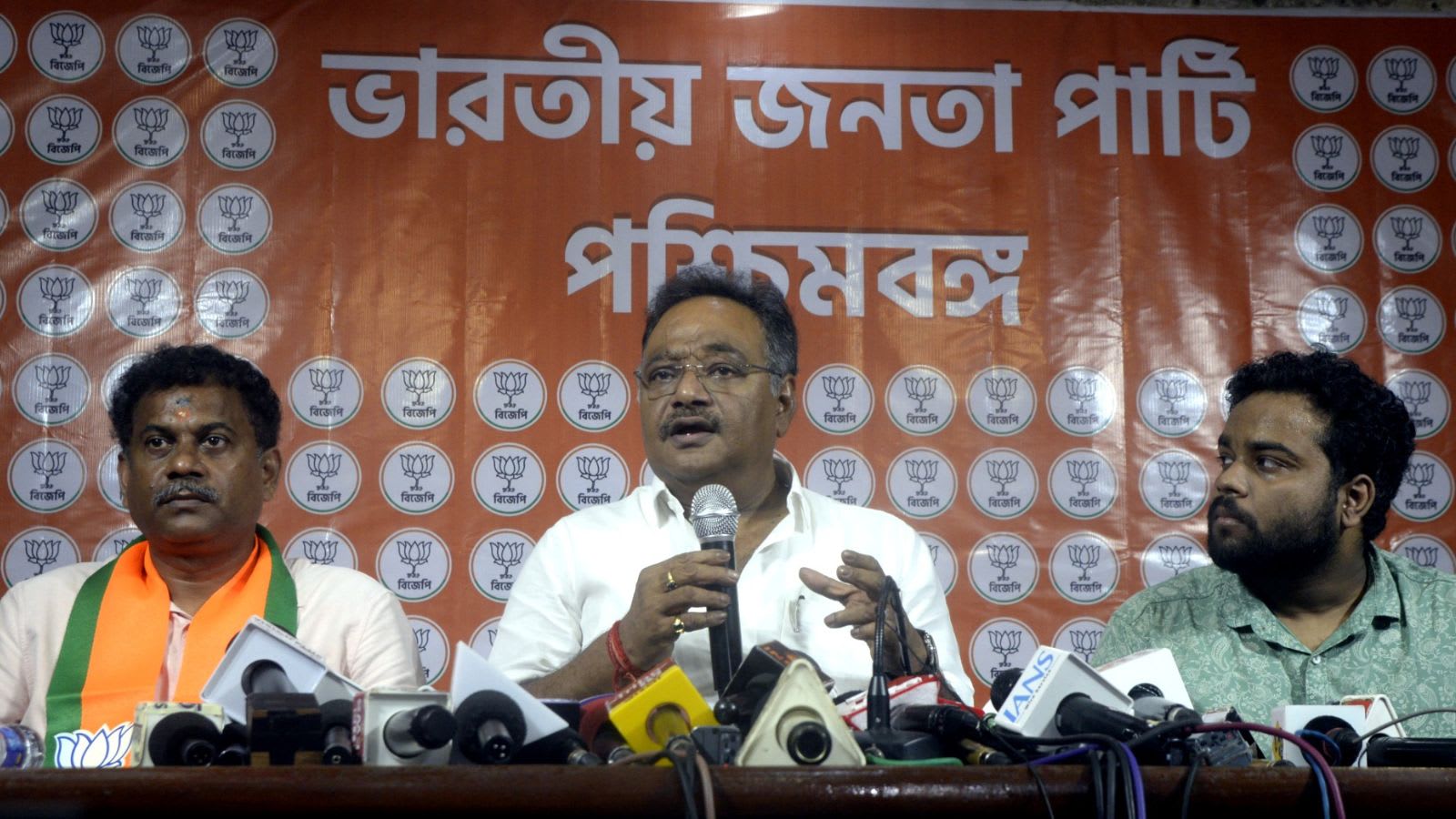
The Suvendu Adhikari-led BJP government in West Bengal faces internal and external friction just four months into its term. Recent clashes at Jadavpur University have sparked ideological debates over renaming the institution, complicating the government's focus on governance.
Navigating Early Governance Challenges in West Bengal
Barely four months into the tenure of the Suvendu Adhikari-led government in West Bengal, the administration finds itself navigating a complex landscape of political instability. While the ascent of a new leadership typically brings a mandate for change, the current government is grappling with a series of controversies that threaten to derail its early policy objectives. These challenges stem from a volatile mix of external opposition pressure and internal friction within the party ranks, creating a demanding environment for a nascent administration.
The Jadavpur University Flashpoint
The most recent manifestation of this tension occurred at Jadavpur University, where a physical and ideological confrontation erupted between the Akhil Bharatiya Vidyarthi Parishad (ABVP)—the student wing of the RSS—and various Left-leaning student organizations. Such incidents are rarely isolated; they often serve as proxies for broader state-level political rivalries. The fallout from this conflict has forced the government to address not just the security of educational institutions, but also the preservation of its own political capital among student demographics.
Ideological Symbolism vs. Governance Priorities
In the immediate wake of the Jadavpur clashes, BJP MLA Sharbari Mukherjee proposed a controversial shift in the university's identity: renaming the institution after Sri Aurobindo. Citing his foundational role and historical association with the university, the demand has ignited a fierce debate. This proposal illustrates the ongoing tension between the BJP's ideological agenda and the practical demands of governance. For the Adhikari administration, this represents a significant strategic dilemma: how to satisfy the ideological expectations of its base while maintaining a broader appeal to the West Bengal electorate.
The Strategic Pivot to Development
The timing of this renaming demand is particularly sensitive for the government, which has been working to project an image focused on development, economic growth, and administrative efficiency. By prioritizing symbolic changes to public spaces and historic institutions, the party risks distracting from its core campaign promises. The administration is currently attempting to balance these competing interests, as symbolic victories often alienate moderate voters who prioritize tangible socioeconomic progress over cultural re-branding.
Future Outlook and Political Stability
Looking ahead, the Adhikari-led government must reconcile its internal ideological factions with the necessity of stable, inclusive governance. The persistence of these rows, both internal and external, suggests that the first year will be defined by the administration’s ability to manage its own rank-and-file. If the government continues to be defined by reactive controversies rather than proactive development, it may face continued scrutiny from the Opposition and a potential erosion of public trust. The coming months will be critical in determining whether the government can successfully pivot away from symbolic disputes and solidify its legislative agenda.