Corridors of Power | Mohanjit’s black flag, Amarinder’s trademark, Congress’s old equations
Source Entity
Kanchan Vasdev
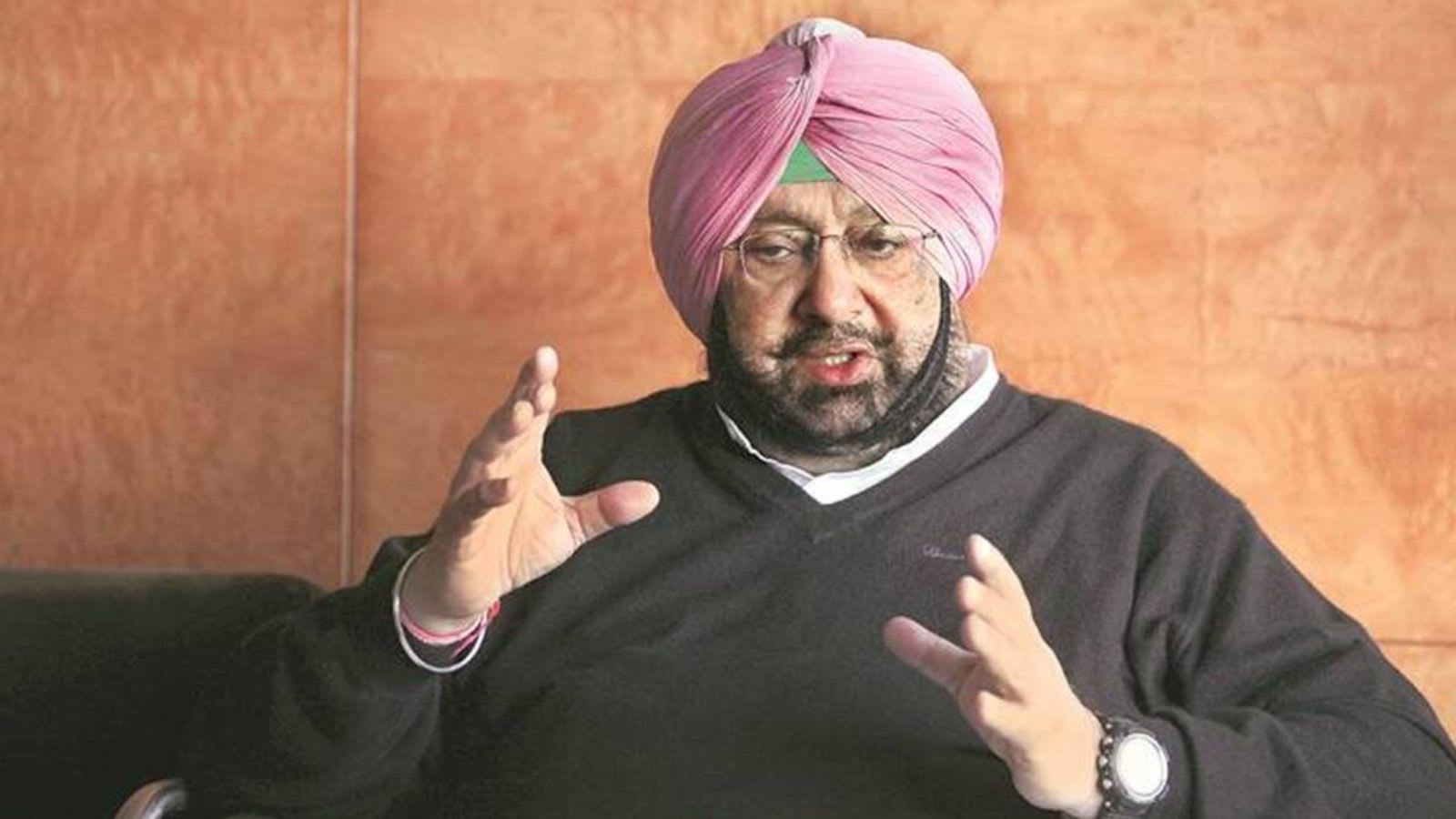
Former Punjab CM Captain Amarinder Singh has challenged Prime Minister Modi's use of the term 'Dimagi Naxals'. His public questioning of the party leadership has sparked speculation regarding his political future and potential friction within the BJP.
The Captain’s Challenge: Amarinder Singh and the BJP
Former Punjab Chief Minister Captain Amarinder Singh, a seasoned veteran of Indian politics who recently transitioned to the Bharatiya Janata Party (BJP), has once again placed himself at the center of political discourse. By publicly questioning Prime Minister Narendra Modi’s terminology regarding 'Dimagi Naxals,' Singh has demonstrated a willingness to diverge from party rhetoric, a trait that has defined his long and storied political career. This intervention serves as a reminder that the Captain remains an independent political actor, even within the structured hierarchy of his new party.
Deconstructing the 'Dimagi Naxal' Debate
The core of the controversy lies in the Prime Minister's use of the term 'Dimagi Naxals'—a phrase often used by the current administration to describe intellectuals or activists who are perceived as fostering anti-establishment sentiments. By asking for a clear definition of this label, Captain Amarinder Singh has effectively highlighted the tension between ideological branding and the democratic right to dissent. His query forces a public conversation on how the state distinguishes between legitimate political opposition and what the government characterizes as dangerous, radicalized thought.
The Dynamics of Internal Party Dissent
In the context of the BJP, where internal cohesion and public alignment with top leadership are typically paramount, Amarinder Singh’s questioning is highly unusual. Historically, leaders who join the BJP are expected to adopt the party's lexicon and strategic messaging without reservation. Singh’s refusal to do so suggests that he retains a level of political autonomy that few others in the party possess. This behavior has sent ripples through the political grapevine, with observers questioning whether this signals a genuine ideological rift or a strategic repositioning.
Speculation and Future Implications
The political fallout from this event has led to widespread speculation regarding the Captain's long-term future. Some analysts are already interpreting this move as a precursor to a potential 'ghar wapsi'—a return to his former political home, the Congress—or at the very least, a sign of significant growing pains in his current political association. The Captain’s trademark style of calling a spade a spade, regardless of the political cost, suggests that he is prioritizing his established political identity over total alignment with the BJP’s current narrative.
A Legacy of Independence
Captain Amarinder Singh has spent decades navigating the volatile waters of Punjab politics. His history of challenging leadership, both within his previous party and now within the BJP, underscores a career built on individual agency rather than strict adherence to party lines. As the political landscape in India continues to evolve, the Captain's recent actions serve as a case study in how veteran politicians attempt to maintain relevance and ideological integrity while navigating the shift toward more centralized political power structures. His future trajectory will likely remain a key indicator of the limits of dissent within the modern BJP.