Karnataka CM DK Shivakumar hails Gen Z, says youth 'shaping their present and nature's future'
Source Entity
Latest News: Todays Latest News Headlines from India & World | Hindustan Times | Hindustan Times
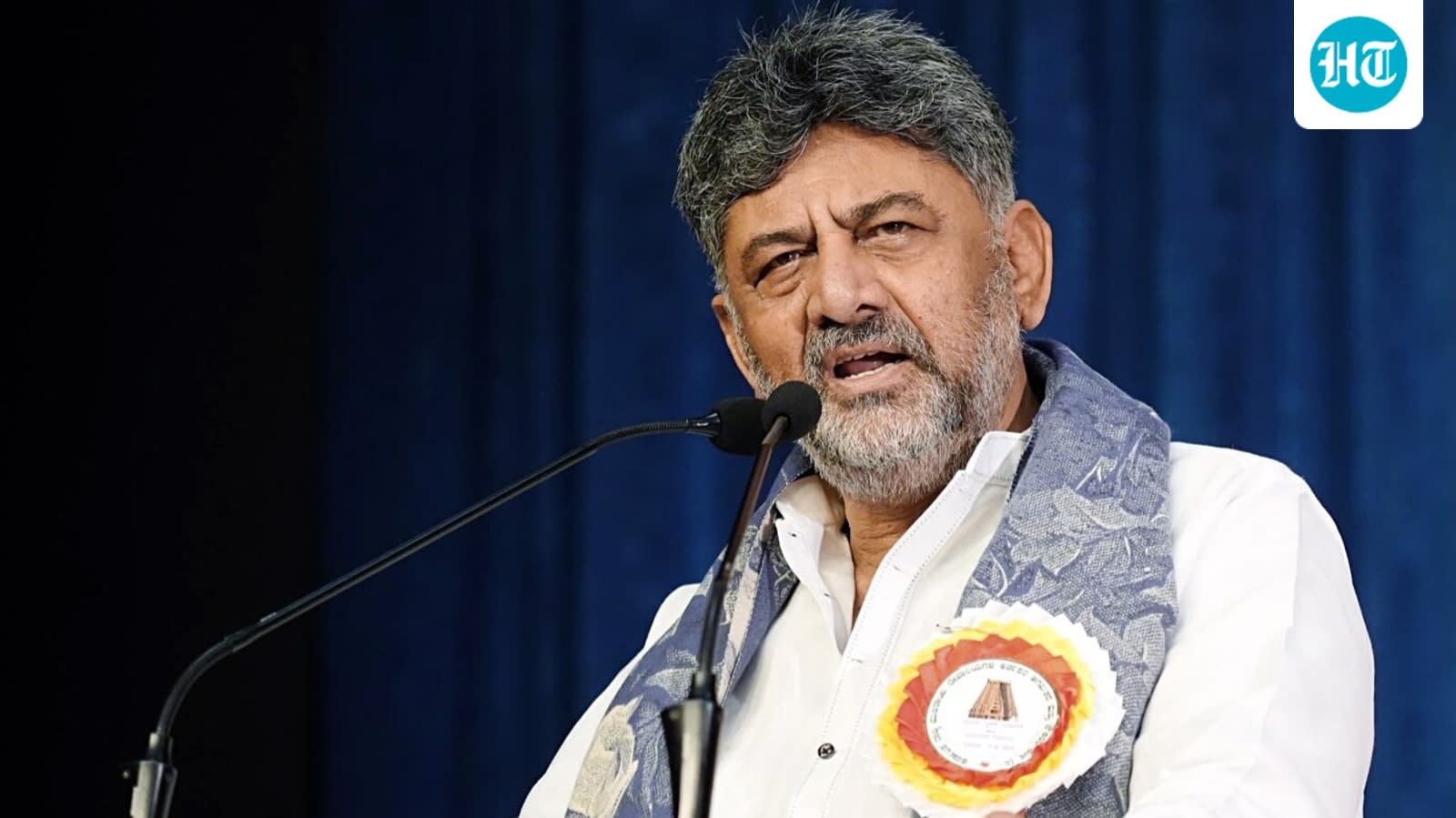
Karnataka Deputy CM DK Shivakumar has advocated for a youth-centric growth model, urging leaders to prioritize Gen Z's perspectives. He emphasizes the necessity of creating robust leadership opportunities to secure the state's and nation's future.
Empowering Gen Z: A New Vision for Karnataka's Growth
Karnataka Deputy Chief Minister DK Shivakumar has recently articulated a forward-looking vision for the state, placing Generation Z at the heart of his governance strategy. By championing a youth-centric growth blueprint, Shivakumar is signaling a shift in political discourse, moving away from traditional models toward one that actively incorporates the voices of the digital-native generation. This initiative, underscored by his recent editorial in the Deccan Herald, highlights the state's intent to align its developmental trajectory with the aspirations of its younger demographic.
The Strategic Importance of Youth Leadership
At the core of Shivakumar’s argument is the recognition that Gen Z is not merely a beneficiary of future policies but an active participant in shaping the present. By calling for leaders to listen to this cohort, the Deputy CM is advocating for a participatory governance model. This approach acknowledges that the challenges of the 21st century—ranging from technological integration to climate resilience—require the innovative problem-solving capabilities inherent in younger minds who are uniquely positioned to navigate a fast-evolving global landscape.
Reflecting on Personal and Political Growth
In his article titled 'Young Karnataka, New India,' Shivakumar draws a poignant parallel between his own student days and the current realities faced by today's youth. This reflection serves to humanize the political objective, grounding it in the historical context of student activism and leadership development. By contrasting his formative experiences with the current technological era, he emphasizes that while the tools of engagement have changed, the necessity of providing clear avenues for leadership remains a constant imperative for any progressive state.
Economic and Social Implications
Expanding opportunities for Gen Z is not merely a social goal but an economic necessity for Karnataka, a state known as India's technology powerhouse. A youth-centric model implies a focus on skill development, entrepreneurship, and inclusive growth. By creating robust pathways for leadership, the government aims to retain local talent and foster an environment where young professionals feel empowered to contribute to the state’s socio-economic fabric, potentially curbing the brain drain that often affects growing economies.
Future Trends and Governance Challenges
As Karnataka moves forward, the success of this vision will depend on the implementation of concrete policy reforms that translate rhetoric into tangible results. The challenge lies in balancing the existing political structure with the fresh, often disruptive ideas of the youth. If executed successfully, this model could serve as a pilot for other Indian states, potentially creating a national precedent for how governments interact with and integrate the aspirations of Generation Z into their long-term development agendas.
Verification Required?