'My state, my right': DKS hits back at TN Cong over Mekedatu Dam row
Source Entity
ARYAN SINGH
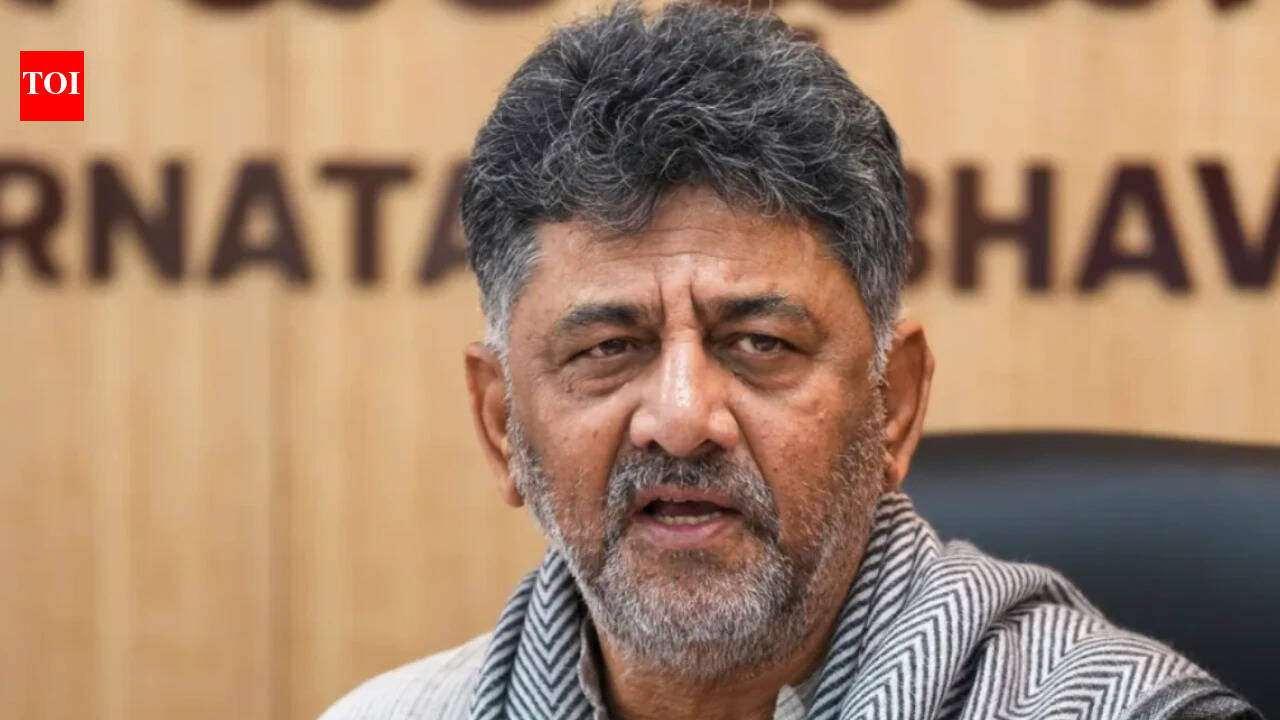
Karnataka Deputy CM DK Shivakumar is asserting the state's right to pursue the Mekedatu Dam project despite opposition from Tamil Nadu Congress leaders. He has called for dialogue while maintaining that Karnataka will adhere to Supreme Court directives regarding water sharing.
The Mekedatu Dam Dispute: A Tug-of-War Over Resource Sovereignty
The long-standing contention surrounding the Mekedatu Dam project has reignited, with Karnataka Deputy Chief Minister DK Shivakumar firmly asserting his state’s rights. The project, which is designed to serve as a balancing reservoir to address drinking water needs in Bengaluru and surrounding districts, has become a flashpoint for regional political friction. Shivakumar’s recent declaration, "My state, my right," underscores the increasing pressure on state leaders to prioritize local infrastructure needs despite inter-state opposition.
The Internal Party Friction
Interestingly, this dispute has transcended state borders and entered the internal dynamics of the Congress party itself. Manickam Tagore, a prominent Tamil Nadu Congress leader, has voiced significant objections to the project, placing the party’s state units in Karnataka and Tamil Nadu at odds. This internal discord highlights the complex challenge national parties face when managing regional aspirations, where the economic and developmental goals of one state directly conflict with the historical water-sharing agreements and agrarian concerns of its neighbor.
Prioritizing Dialogue and Legal Adherence
Despite the heated rhetoric, DK Shivakumar has attempted to de-escalate the situation by inviting Tamil Nadu officials to engage in direct dialogue. By emphasizing the potential advantages of the dam, he is attempting to shift the narrative from one of unilateral imposition to cooperative infrastructure management. Crucially, Shivakumar has reaffirmed Karnataka's commitment to respecting the Supreme Court's rulings regarding water distribution, signaling that while he intends to push for the project, he recognizes the judicial boundaries that govern inter-state river water sharing.
Broader Implications for Federalism
This controversy serves as a microcosm of the broader challenges inherent in India’s federal structure, particularly regarding the management of trans-boundary river waters. Water disputes have historically been a source of significant tension in southern India, often pitting developmental needs against existing irrigation rights. As urbanization accelerates and climate patterns become increasingly unpredictable, the demand for secure water storage infrastructure will likely continue to test the limits of inter-state cooperation and federal mediation.
Future Trends in Infrastructure and Dispute Resolution
Moving forward, the Mekedatu project will likely remain a litmus test for how regional political figures balance local electorate demands with national party unity. Future developments will depend heavily on the ability of both states to engage in technical, rather than purely emotional or political, negotiations. If the parties can successfully transition to a framework focused on data-driven water sharing and mutual benefit, it may provide a roadmap for resolving similar disputes across the country. However, as long as the political stakes remain high, the path toward a consensus remains narrow.
Multiple Citing Sources