Best friends for decades - until a DNA test revealed they were sisters
Source Entity
BBC News
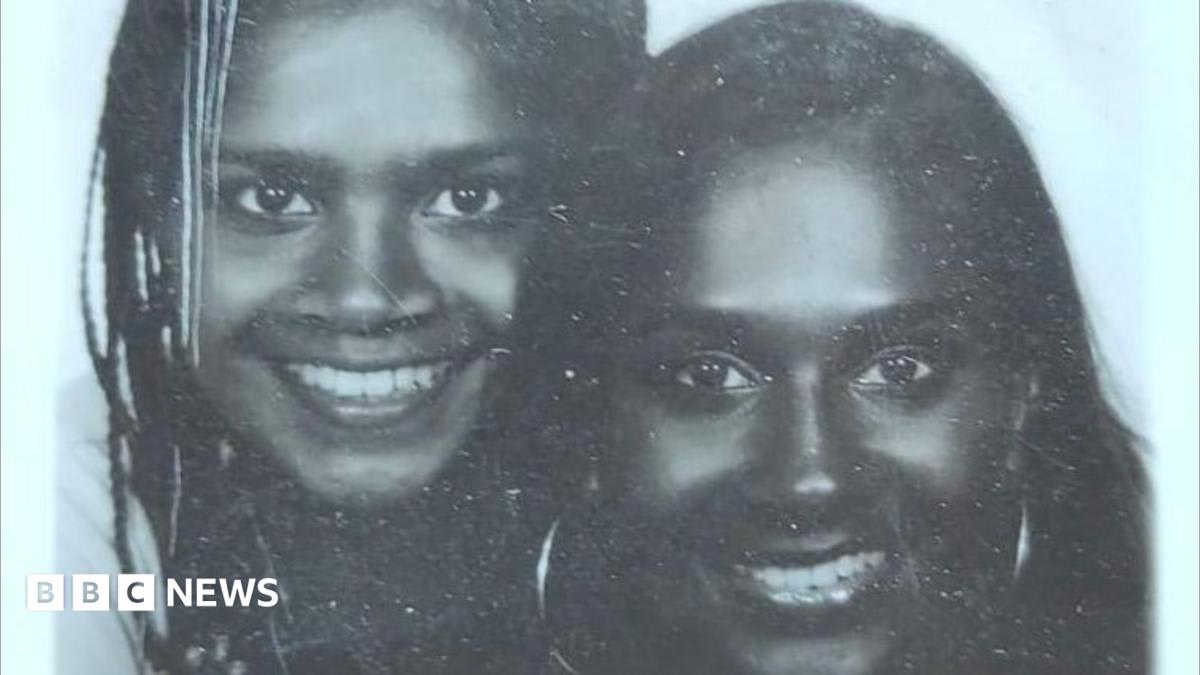
Two Indian-born women adopted by families in the Netherlands have discovered they are biological sisters after decades of friendship. The revelation followed years of noticing their uncanny physical similarities, confirming a long-suspected connection rooted in their shared origin from Mumbai orphanages.
A Remarkable Reunion: Uncovering Shared Roots
The story of Meena Geltink and Minal Tijssen is a profound narrative of coincidence and biological destiny. Adopted as infants from orphanages in Mumbai during the early 1980s, these two women were raised thousands of miles away in the Netherlands, unaware that their paths were destined to cross not just as friends, but as sisters. This revelation serves as a poignant reminder of the complexities inherent in international adoption and the enduring power of biological ties.
The Early Years and Initial Recognition
Growing up in the Netherlands, Geltink and Tijssen lived near one another, eventually meeting in their early teens at an event organized by their shared adoption agency. The immediate recognition of their uncanny physical resemblance and shared mannerisms suggests an intuitive bond that predated their scientific confirmation. For children adopted from abroad, such gatherings are vital for identity formation, yet for these two, the event became the catalyst for a lifelong friendship that would eventually lead to this life-altering discovery.
The Role of Genetic Testing in Identity
In the modern era, DNA testing has become an invaluable tool for adoptees seeking to bridge the gap between their current lives and their biological origins. For Geltink and Tijssen, the decision to undergo testing transcended simple curiosity; it provided the empirical evidence needed to confirm what their peers and families had suspected for decades. This shift from speculation to certainty highlights how accessible biotechnology is reshaping the lives of individuals navigating the complexities of transnational adoption.
Historical Context of Mumbai Adoptions
During the 1980s, Mumbai was a significant hub for international adoption programs. Many children were placed with families in Europe and North America through various agencies during this period. The case of Geltink and Tijssen sheds light on the broader experiences of this demographic, many of whom are now reaching middle age and looking back at their histories with a renewed desire to understand their biological heritage. Their journey reflects the intersection of personal identity, cultural displacement, and the search for belonging.
Broader Implications and Future Trends
This narrative underscores the growing trend of adoptees utilizing genetic platforms to connect with biological kin. As more records become digitized and DNA databases expand, it is likely that we will see an increase in similar discoveries. For the adoption community, these stories offer both hope and a call for increased transparency in documentation. The emotional journey of these two women serves as a testament to the resilience of the human spirit and the profound impact that finding one's 'missing piece' can have on personal well-being.
Conclusion
Ultimately, the bond between Meena Geltink and Minal Tijssen is a rare and heartwarming testament to fate. While their friendship was forged in the Netherlands, their sisterhood was written in their DNA in Mumbai over forty years ago. Their story is more than just a headline; it is a profound exploration of identity that reaffirms the importance of understanding one's roots in the journey toward self-discovery.