Top doctors want ban on junk food ads, celeb campaigns targeting children: Why this works
Source Entity
Rinku Ghosh
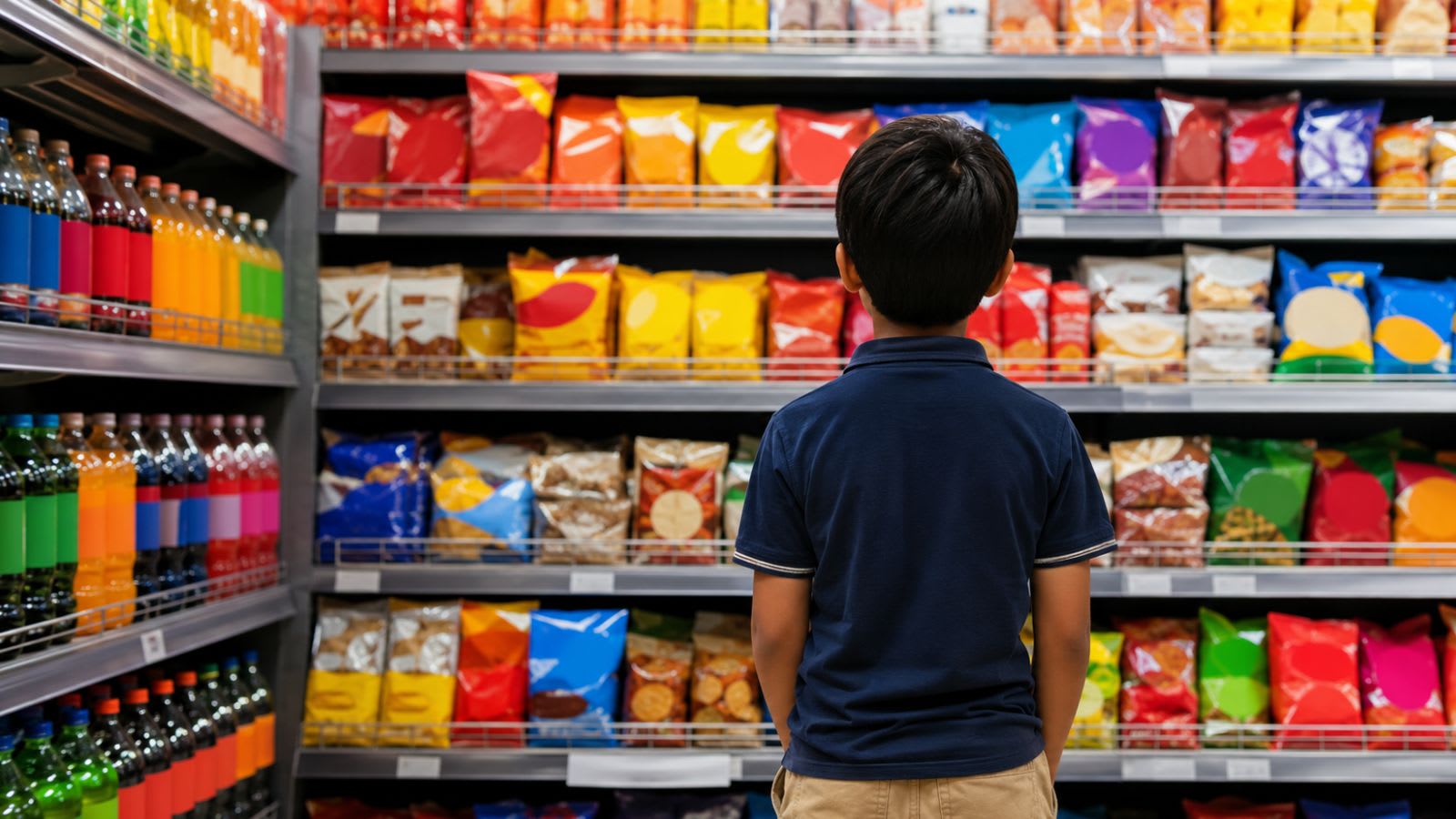
Top Indian health experts are calling for a government-led crackdown on the marketing of unhealthy, ultra-processed foods to children. The proposal includes strict advertising time slots, mandatory warning labels, and a ban on celebrity endorsements for HFSS products.
Addressing the Childhood Nutrition Crisis
Leading Indian public health experts have issued a formal call to action, urging the government to implement stringent regulations on the marketing of foods high in fat, sugar, and salt (HFSS) and ultra-processed foods (UPFs). The core of their argument rests on the fundamental inequality inherent in expecting children to make healthy dietary decisions when they are constantly bombarded by sophisticated marketing campaigns designed to make unhealthy products appear attractive and essential to their daily routines.
The Mechanics of Marketing Restrictions
The proposed policy framework is remarkably specific, targeting the pervasive nature of modern advertising. The experts are advocating for a 'watershed' period—a ban on HFSS and UPF advertising between 6 am and 11 pm—to minimize child exposure during peak viewing hours. Furthermore, the demand for mandatory front-of-pack warning labels aims to provide parents and children with immediate, transparent information regarding the nutritional quality of the products they consume, moving beyond the often-obscured fine print of back-of-pack labels.
Curbing Influencer and Celebrity Impact
A significant portion of this initiative focuses on the psychological influence of celebrity endorsements and cartoon characters. By calling for restrictions on these promotional tactics, experts aim to dismantle the 'pleasure-seeking' association currently built between junk food and childhood happiness. These measures also include a crackdown on aggressive sales tactics such as 'buy one, get one' offers, which effectively incentivize overconsumption of nutritionally void products.
Broader Public Health Implications
This movement is not merely about advertising aesthetics; it is a defensive strategy against the rising tide of lifestyle-related diseases. By targeting the promotion of sugary beverages and ultra-processed snacks, health professionals are attempting to shift the societal baseline of what is considered 'normal' consumption. The systemic nature of these demands reflects an understanding that individual willpower is insufficient to combat the multi-billion dollar marketing machine that currently dictates the food environment for India's youth.
Future Trends and Policy Trajectory
The call for government intervention suggests that the era of self-regulation in the food industry is being viewed as inadequate by the medical community. If implemented, these policies would align India with international best practices regarding food labeling and marketing restrictions. The success of these initiatives will likely depend on the government's willingness to prioritize long-term public health outcomes over the short-term economic interests of the ultra-processed food industry.
Conclusion: A Call for Structural Change
Ultimately, the proposal by these medical experts represents a pivotal shift in the discourse surrounding childhood obesity and nutrition. By demanding structural changes—such as clear warning labels and regulated airtime—the experts are shifting the responsibility from the individual child to the systemic environment. This comprehensive approach is essential for fostering a healthier future generation and curbing the prevalence of diet-related health issues in India.