Dollar General CEO raises major red flag about consumers
Source Entity
Yahoo Finance
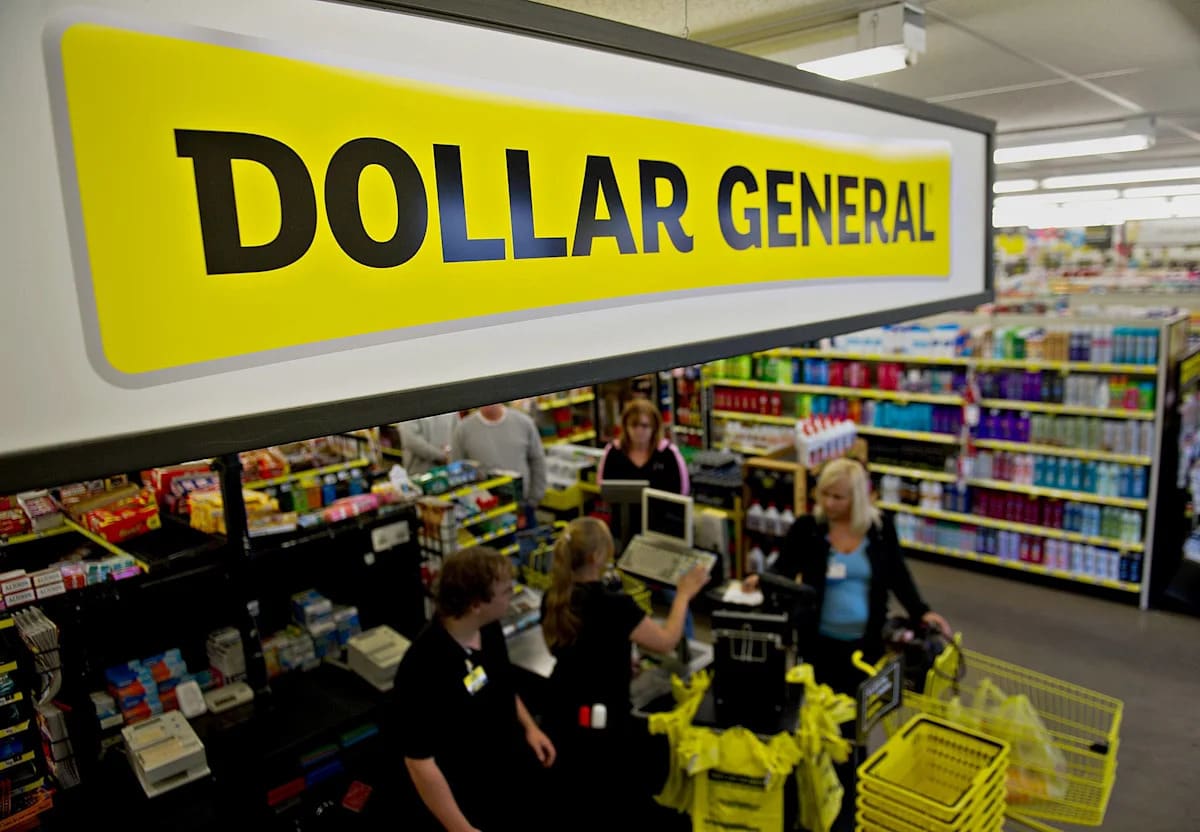
Dollar General CEO Todd Vasos reports that high-income earners are increasingly feeling financial strain, marking a shift from previous economic trends. This behavioral change, observed across multiple retailers, suggests a broader cooling of consumer spending power.
The Shifting Landscape of Consumer Financial Health
For an extended period, the economic narrative in the United States has been defined by a stark divergence between socioeconomic classes. While inflation and rising costs of living have consistently pressured lower- and middle-income households, those in higher income brackets—typically defined as earning $100,000 or more annually—had remained largely insulated. However, recent insights from corporate leadership suggest that this protective buffer is beginning to erode, signaling a potential turning point in the domestic economy.
The Warning from Dollar General
Dollar General CEO Todd Vasos recently utilized a platform at the Goldman Sachs Global Consumer and Retail conference to highlight a critical observation: the financial strain that has long plagued the core demographic of discount retailers is now migrating upward. By identifying this shift among high-income shoppers, Vasos has added significant weight to a growing chorus of corporate voices who are witnessing changes in purchasing behavior that defy previous economic expectations.
Industry-Wide Observations
This trend is not isolated to a single retail chain. Leaders from diverse segments of the market, ranging from retail giant Walmart to the resale platform ThredUp, have reported similar behavioral adjustments among their more affluent clientele. When diverse businesses across the retail spectrum begin to report identical shifts in consumer sentiment, it suggests that the underlying economic pressures are systemic rather than localized to specific retail models.
Implications of High-Income Sentiment
Historically, the spending power of high-income earners has served as a resilient engine for the retail sector. If these consumers begin to pull back or shift their shopping habits toward discount options, it implies a broader contraction in discretionary spending. Such a trend could have cascading effects on the retail industry, forcing companies to reconsider their pricing strategies, inventory management, and long-term growth forecasts as they adjust to a more cost-conscious customer base.
Future Trends and Economic Outlook
Looking ahead, the focus will likely shift toward how long this trend persists and whether it signals a looming broader economic downturn. As high-income households adjust their budgets to accommodate the sustained impact of inflation, the retail sector must brace for a period of heightened competition. The ability of businesses to pivot and cater to a newly price-sensitive audience—even among the affluent—will likely determine which retailers emerge from this period of volatility with their market share intact.
Conclusion
The remarks from Dollar General’s leadership serve as a sobering indicator of the current state of the American consumer. While the economic divide between income brackets has been a defining feature of the post-pandemic era, the convergence of financial strain across these demographics suggests that no segment of the population is immune to the ongoing challenges of the current cost-of-living crisis.