A Tale of Two Dollars: Why Dollar General Outpaced Dollar Tree This Quarter
Source Entity
Yahoo Finance
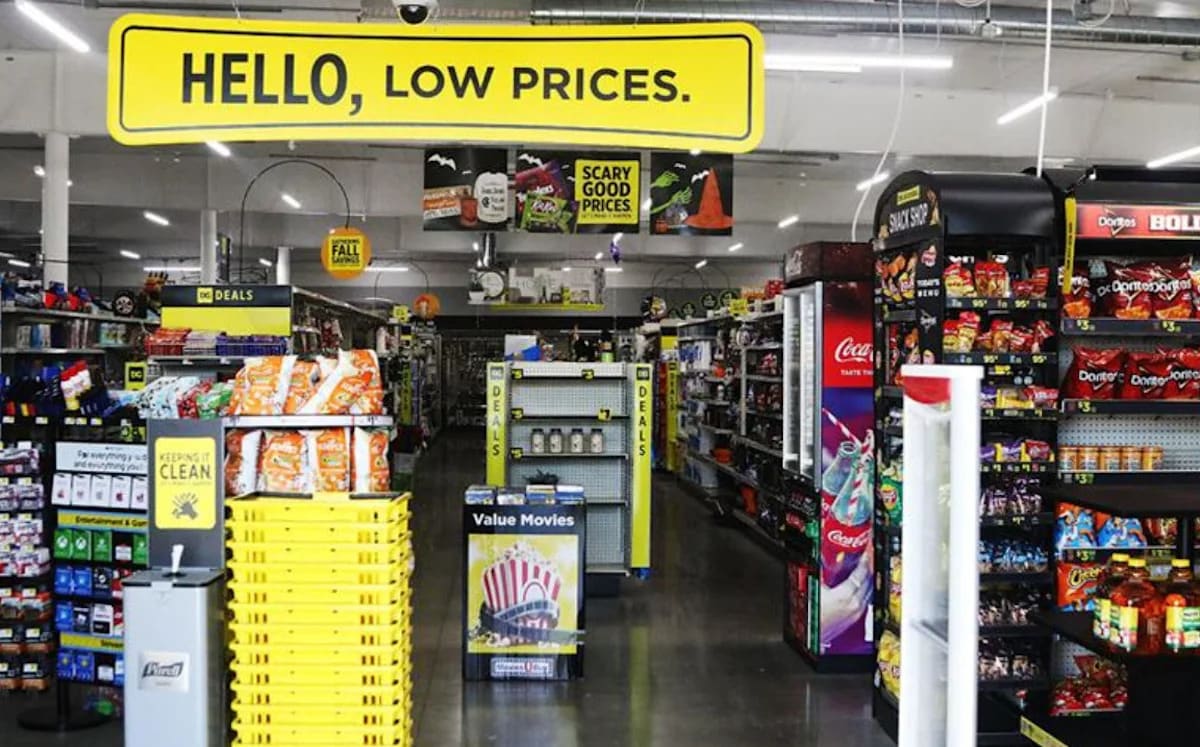
Dollar General and Dollar Tree both reported strong second-quarter results driven by inflation-conscious consumers. Despite both outperforming market expectations, Dollar General's stock surged while Dollar Tree faced a more muted investor response.
The Diverging Fortunes of Discount Retailers
The second-quarter financial reporting season has provided a clear window into the shifting behaviors of the American consumer. As persistent inflation continues to erode household purchasing power, middle- and lower-income families are increasingly migrating toward discount retailers to stretch their budgets. This trend has placed the spotlight on industry giants Dollar General Corporation (NYSE:DG) and Dollar Tree, Inc. (NASDAQ:DLTR), both of which released their quarterly results in late August, revealing a complex landscape of growth, operational efficiency, and market perception.
Dollar General’s Strategic Outperformance
Dollar General’s performance for the second quarter, reported on August 27, was characterized by a distinct 'beat and raise' scenario that immediately resonated with investors. With net sales climbing 5.2% to reach $11.29 billion, the company successfully outperformed the consensus market forecast of $11.2 billion. This growth trajectory suggests that the company’s supply chain management and inventory positioning are effectively capturing the influx of value-seeking customers. The subsequent 6.5% rise in premarket trading highlights investor confidence in the company's ability to maintain margins despite the broader economic pressures of high inflation.
The Inflationary Tailwind
It is essential to understand that the discount sector operates as a bellwether for the broader economy. When inflation remains sticky, consumer sentiment shifts from discretionary spending to essential goods. Both Dollar General and Dollar Tree are uniquely positioned to capitalize on this shift, as their business models are predicated on offering low-cost alternatives for household necessities. However, the nuance in their respective stock movements suggests that investors are looking beyond mere sales growth, focusing instead on internal operational health and the ability to convert traffic into sustainable profit.
Comparative Market Dynamics
While both retailers benefited from increased foot traffic, the stock market’s divergent response to their earnings indicates that investors are weighing the risks and rewards differently between the two companies. Dollar Tree, while also reporting strong activity, faced a more cautious reception compared to the enthusiasm surrounding Dollar General’s results. This discrepancy often points to underlying factors such as cost control measures, debt levels, and the specific mix of goods offered in their respective stores, which influence how well each brand can absorb inflationary shocks.
Future Trends in Value Retail
Looking ahead, the discount retail sector is likely to remain a critical battleground. As long as the current inflationary environment persists, these chains will remain essential service providers rather than mere convenience stops. We can expect to see increased competition in store-brand development and aggressive pricing strategies as these companies vie for the loyalty of price-sensitive shoppers. For investors, the takeaway from this quarter is that scale and operational agility are paramount; companies that can manage their internal costs while successfully navigating the supply chain will continue to see their stock valuations reflect their resilience.
Conclusion
Ultimately, the 'tale of two dollars' illustrates that while the macro-economic environment provides a tailwind for the entire discount sector, individual company execution remains the primary driver of market value. Dollar General’s successful second quarter proves that even in a challenging economy, brands that align their offerings with the immediate needs of the consumer can secure both market share and investor support. The coming quarters will reveal whether this trend of divergence continues or if the sector moves in lockstep as economic conditions evolve.