Director claims LGBTQ representation in Kollywood is ‘funded’ to ‘erode culture’ after Dorothy's release; gets schooled
Source Entity
Latest News: Todays Latest News Headlines from India & World | Hindustan Times | Hindustan Times
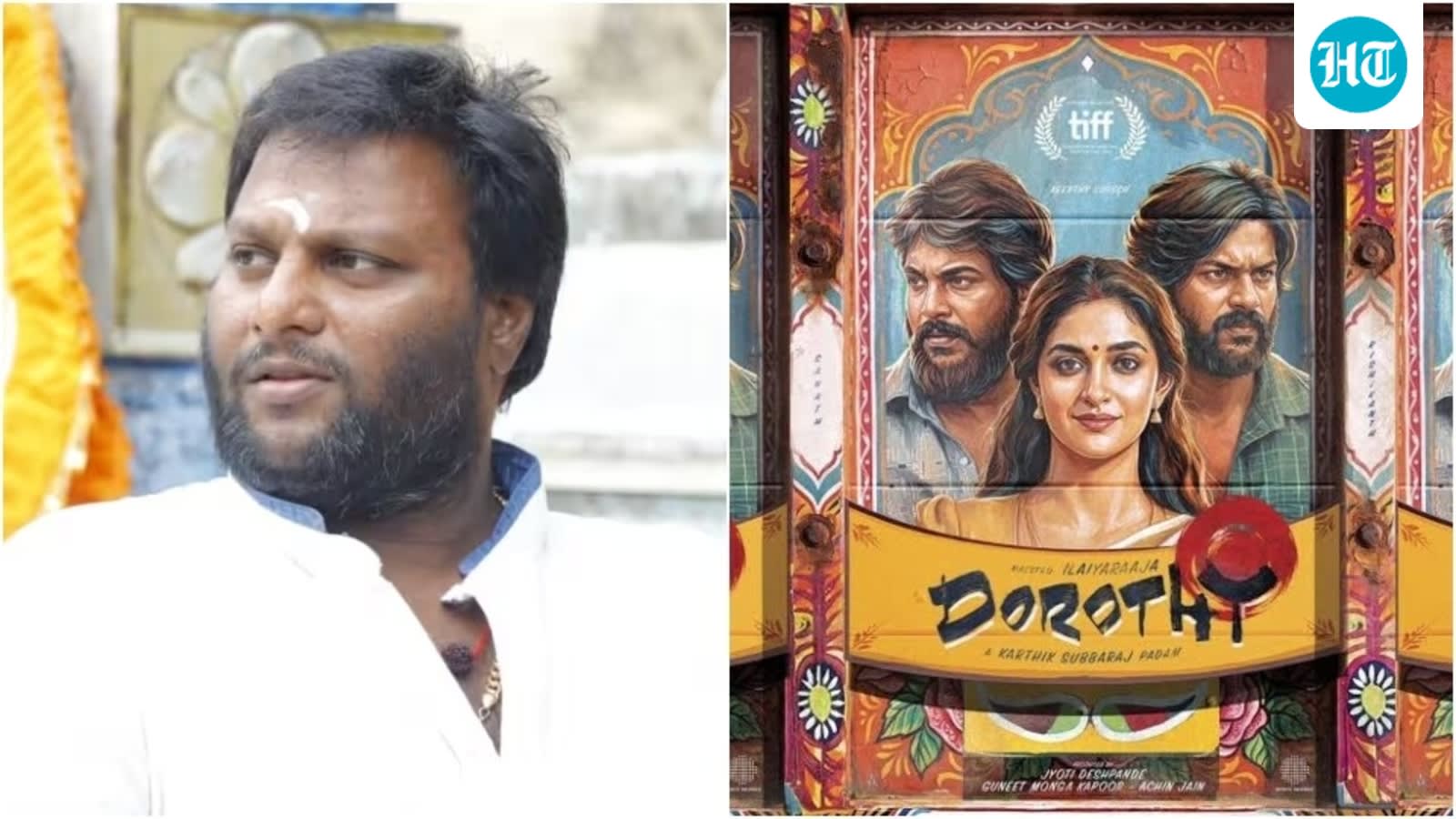
Director Karthik Subbaraj’s film 'Dorothy' faces backlash and calls for a boycott in Tamil Nadu over its LGBTQ+ themes. Director Mohan G Kshatriyan’s claims that such representation is 'funded' to 'erode culture' have sparked significant online pushback.
The Clash Over Queer Representation in Kollywood
The release of director Karthik Subbaraj's latest film, Dorothy, has become a flashpoint for a larger cultural war within the Tamil film industry, commonly known as Kollywood. While the film earned international acclaim, including a standing ovation at the Toronto International Film Festival (TIFF), its reception in its home state has been marred by intense homophobia and calls for a boycott. This dichotomy highlights the growing friction between global cinematic standards and conservative domestic sentiments.
The Controversy Over 'Culture Erosion'
Central to the domestic backlash are comments made by filmmaker Mohan G Kshatriyan, known for his previous works like Draupathi and Bakasuran. Kshatriyan publicly claimed that LGBTQ+ representation in Tamil cinema is a deliberate, 'funded' effort designed to 'erode culture.' By framing inclusive storytelling as a foreign or subversive agenda, his rhetoric taps into anxieties regarding traditional values, effectively mobilizing segments of the audience against the film.
The Digital Counter-Movement
However, the narrative has not gone unchallenged. Following his remarks, Kshatriyan faced a wave of criticism from social media users who 'schooled' him on the importance of diverse representation. This digital pushback represents a significant shift in how audiences consume media; viewers are increasingly holding creators accountable for exclusionary rhetoric, signaling that the traditional gatekeeping of what constitutes 'Tamil culture' is being actively contested by a more progressive, vocal demographic.
Global Acclaim vs. Local Resistance
The contrast between the TIFF standing ovation and the local boycott calls underscores a profound divide. Dorothy is being celebrated on the international stage for its artistic merit and queer-friendly narrative, yet it faces hostility at home. This tension suggests that while Kollywood is attempting to align with global storytelling trends, there remains a deep-seated resistance to themes that deviate from traditional heteronormative narratives.
Broader Implications for Tamil Cinema
This incident serves as a microcosm of the evolving socio-political landscape in South Indian cinema. As filmmakers like Subbaraj push the boundaries of representation, they inevitably clash with entrenched ideologies. The 'funded' conspiracy theories propagated by figures like Kshatriyan highlight a trend of using moral panic to influence public opinion against artistic works that champion marginalized identities.
Future Trends in Representation
The ongoing debate surrounding Dorothy indicates that the path toward inclusive cinema in India will be fraught with resistance. Future discourse will likely revolve around the tension between creative freedom and the pressure to adhere to conservative cultural norms. As the industry continues to globalize, the battle for representation will likely intensify, forcing both creators and audiences to define the future identity of Tamil cinema in an increasingly polarized climate.
Verification Required?