Mohammed Zeeshan Ayyub says India's 'habit of hero worship' has created a new 'star system' on OTT | Interview
Source Entity
Latest News: Todays Latest News Headlines from India & World | Hindustan Times | Hindustan Times
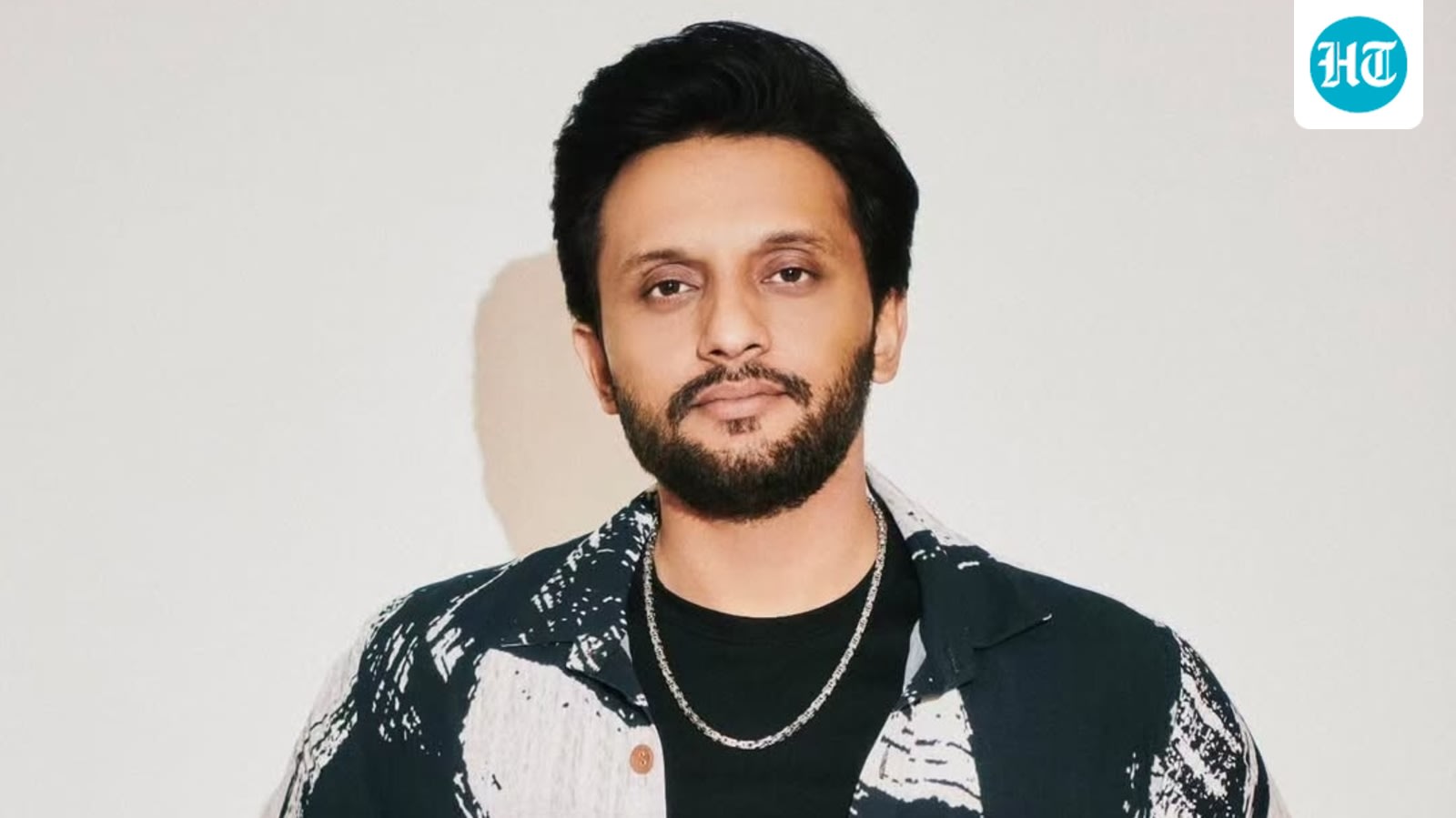
Actor Mohammed Zeeshan Ayyub argues that India's OTT platforms are increasingly mirroring traditional cinema by adopting a rigid 'star system.' He suggests that this trend toward hero worship undermines the creative potential of digital storytelling.
The Shift in OTT Dynamics: A Critical Perspective
In a recent interview with the Hindustan Times, actor Mohammed Zeeshan Ayyub provided a stark critique of the evolving landscape of Over-the-Top (OTT) media in India. Ayyub, known for his nuanced performances, argues that the digital revolution, which once promised a departure from the conventional constraints of mainstream Bollywood, is now succumbing to the same 'star system' that has historically governed traditional cinema.
The Persistence of Hero Worship
Ayyub highlights a deep-seated cultural phenomenon: the Indian audience’s inherent 'habit of hero worship.' He observes that this tendency is not merely a byproduct of blockbuster cinema but a systemic preference that digital platforms are now actively catering to. By centering narratives around established stars rather than the strength of the script or the novelty of the concept, OTT platforms are inadvertently stifling the creative diversity that originally defined the streaming medium.
Tropes Over Innovation
The actor notes that the influx of high-budget productions on digital platforms has led to a reliance on tired tropes. When streaming services prioritize star power to guarantee viewership numbers, the resulting content often follows predictable patterns. This shift suggests that the 'democratization' of content, which was initially hailed as the primary benefit of the OTT boom, is being challenged by the commercial necessity of appealing to mass-market sensibilities.
The Impact on Performance and Storytelling
For artists like Ayyub, the concern is rooted in the quality of storytelling. When a project is designed primarily to showcase a star, the character depth and narrative arc often become secondary. This 'star system' creates a hierarchy that can alienate audiences looking for the experimental and gritty realism that early OTT content delivered. The move toward formulaic storytelling risks turning streaming platforms into digital extensions of the traditional theatrical experience.
Future Trends and Market Implications
If this trend continues, the Indian streaming market may face a crisis of originality. As platforms vie for subscribers, the reliance on celebrity-driven vehicles may provide short-term gains in engagement but could lead to long-term audience fatigue. The future of the industry, as implied by Ayyub’s critique, depends on whether platforms can balance the commercial draw of star power with the creative freedom that allowed the medium to flourish in its infancy.
Conclusion
Ultimately, Mohammed Zeeshan Ayyub’s analysis serves as a cautionary tale for the Indian entertainment industry. While the marriage of digital accessibility and star-led marketing may seem like a winning strategy for business growth, it poses a significant threat to the artistic integrity of the platform. The challenge ahead lies in whether creators and executives can resist the gravitational pull of hero worship to preserve the innovative spirit of Indian digital content.
Verification Required?