If you love white rice, try this delicious recipe that packs 40g of protein and 30g of fibre in just one serving
Source Entity
Latest News: Todays Latest News Headlines from India & World | Hindustan Times | Hindustan Times
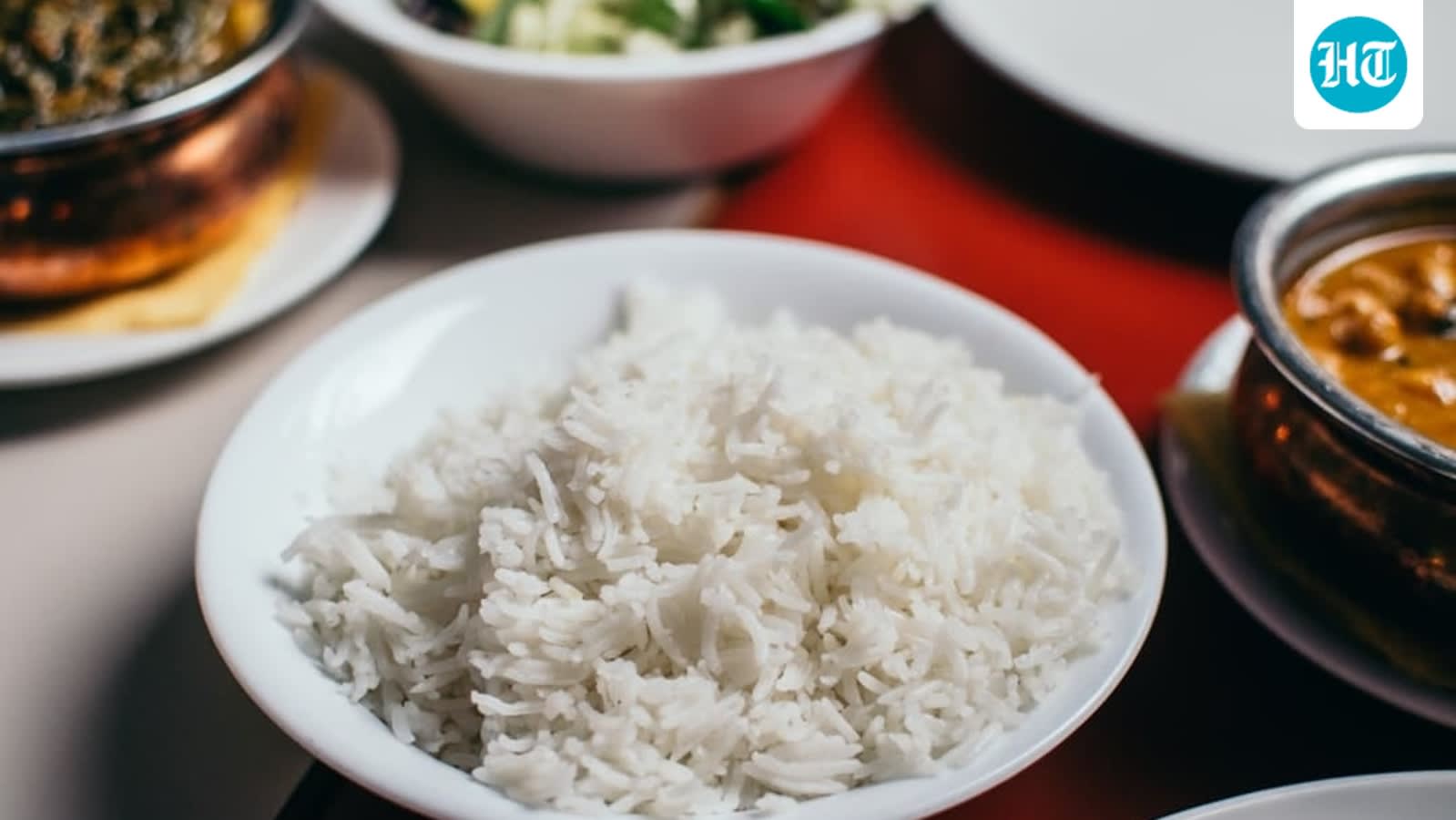
Dr. Karan Rajan has shared a nutritious modification for white rice, incorporating lentils and beans to create a high-protein, high-fiber meal. This approach draws inspiration from the traditional Indian khichdi to boost gut health and nutritional density.
Redefining the Nutritional Profile of White Rice
White rice has long been a staple in global diets, yet it is frequently criticized for its high glycemic index and lack of significant fiber. However, Dr. Karan Rajan, a prominent NHS doctor and health advocate, has introduced a transformative approach to this common grain. By integrating lentils and beans into a white rice base, he has developed a recipe that significantly elevates the nutritional profile, offering a impressive 40g of protein and 30g of fiber per serving.
The Science of Nutrient Synergy
The core of Dr. Rajan’s approach lies in the concept of nutrient synergy. By combining rice with legumes, the dish provides a complete amino acid profile, which is essential for muscle repair and metabolic health. This combination effectively bridges the nutritional gaps inherent in white rice, transforming a simple carbohydrate source into a complex, balanced meal that supports sustained energy levels and satiety throughout the day.
Prioritizing Gut Health and Digestion
Beyond basic macronutrients, this recipe is specifically designed to foster a healthy gut microbiome. The high fiber content serves as a prebiotic, fueling beneficial gut bacteria, while the inclusion of ginger adds potential anti-inflammatory benefits. Furthermore, the preparation method—which involves thoroughly rinsing the rice, lentils, and beans—is a strategic step that may assist in lowering the FODMAP content, making the meal more digestible for individuals with sensitive gastrointestinal systems.
Cultural Inspiration Meets Modern Nutrition
Dr. Rajan openly acknowledges that this dish is his interpretation of the traditional Indian khichdi. This reflects a growing trend in modern nutritional science: returning to time-tested cultural staples and optimizing them with contemporary understanding. By utilizing spinach for added micronutrients and ginger for digestion, the recipe honors the complexity of traditional South Asian cooking while addressing modern health concerns like blood sugar regulation and digestive wellness.
Practical Implications for Daily Wellness
For many, the biggest hurdle in maintaining a healthy diet is the perception that nutritious food is difficult or time-consuming to prepare. Dr. Rajan’s method simplifies this by creating a "one-pot" style meal that is both wholesome and accessible. By incorporating fiber-rich vegetables and protein-dense legumes, he provides a blueprint for individuals to enjoy white rice without the typical blood sugar spikes, proving that dietary modifications can be both simple and highly effective.
Conclusion: A Balanced Future for Dietary Staples
The synthesis of traditional knowledge and clinical nutrition, as demonstrated by Dr. Rajan, suggests a promising trend for future dietary habits. As consumers become increasingly conscious of the benefits of fiber and protein, recipes that "upgrade" common pantry staples will likely gain traction. This approach encourages a more flexible, inclusive perspective on nutrition—one that focuses on adding nutrient-dense ingredients rather than strictly eliminating beloved foods.
Verification Required?