Hospitals billing drugs at 52 times the cost: Karnataka asks Centre to step in
Source Entity
The Indian Express
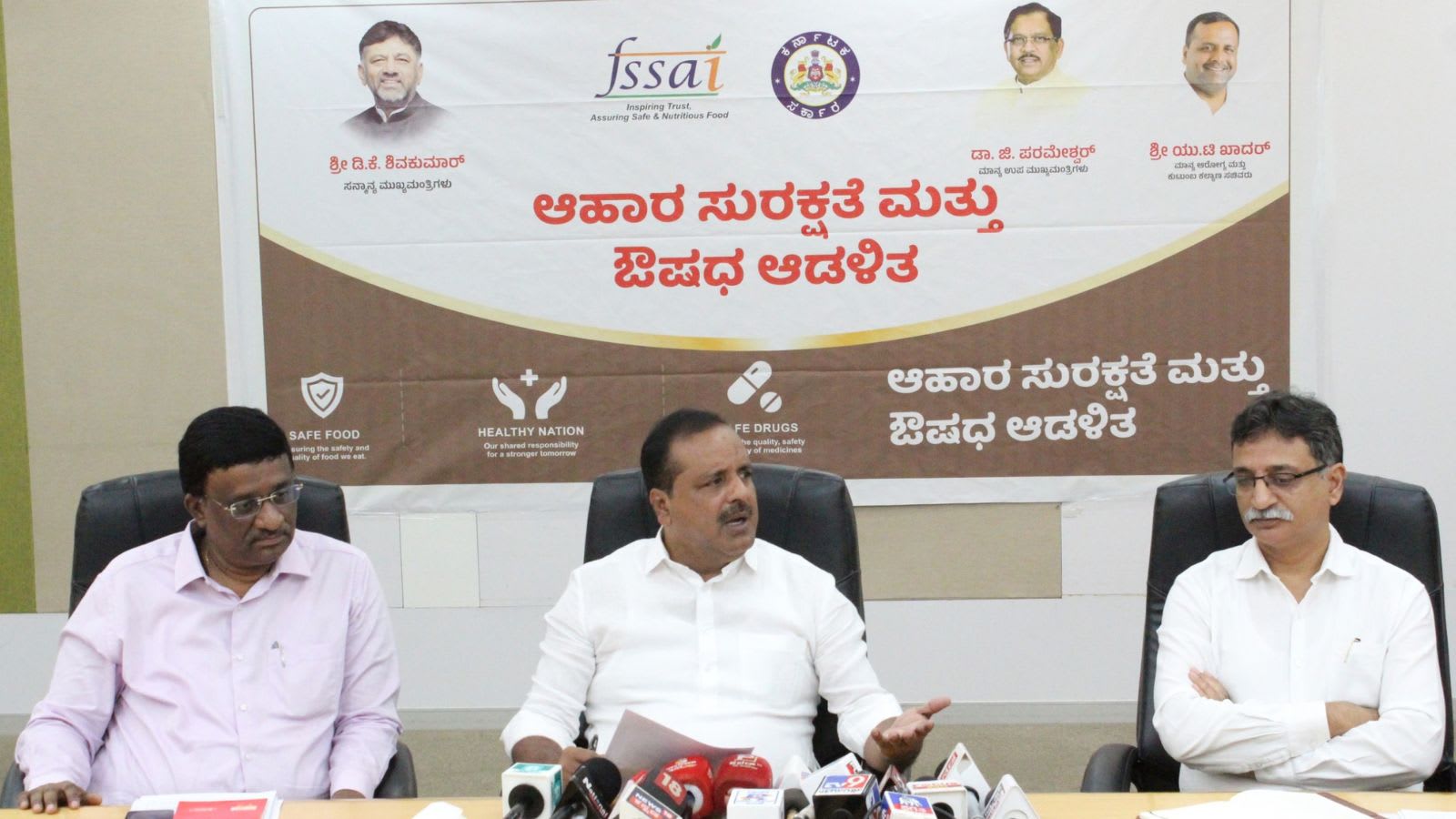
The Karnataka government has urged central intervention after discovering private hospitals are overcharging patients by up to 5,165%. Inspections revealed extreme price markups on essential drugs, including antibiotics and cancer medications.
The Crisis of Medical Profiteering in Karnataka
Recent revelations from the Karnataka Food Safety and Drug Administration (FDA) have brought the issue of predatory medical billing into the national spotlight. Investigations into private healthcare facilities have uncovered a disturbing trend: life-saving medications, particularly those used in cancer treatments and intensive care, are being sold to patients at markups reaching as high as 5,165 percent. A primary example cited by officials involves the antibiotic Gufipol, which was billed to a patient at Rs 4,528 despite having a procurement cost of only Rs 80.
The Scale of the Discrepancy
Health Minister U T Khader has confirmed that this is not an isolated incident but a systemic practice observed across various private hospitals in the state. By comparing the landing cost of drugs—the price at which hospitals procure them from pharmaceutical distributors—against the final invoice presented to patients, the FDA identified a consistent pattern of extreme price inflation. These findings suggest that the financial burden on patients is being artificially inflated far beyond standard administrative overheads or service charges.
Implications for Patient Access and Equity
This level of price gouging has severe implications for public health equity. When essential medications, especially those required for complex conditions like cancer, are priced at 52 times their actual cost, it forces families into significant financial distress, often leading to medical bankruptcy. This practice creates a barrier to care that prevents patients from accessing necessary treatments, thereby undermining the fundamental right to affordable healthcare within the private sector.
Why State Intervention Requires National Support
While the Karnataka government has taken the initial step of conducting inspections, Minister Khader has emphasized that state-level action may be insufficient to curb this nationwide issue. By writing to the Union Health Ministry, the state is seeking a comprehensive, national-level policy framework. This is a critical move, as drug pricing structures are often governed by central regulations, and a unified approach is required to enforce price caps and transparency across state borders.
Looking Toward Regulatory Reform
Moving forward, the focus must shift toward stringent price monitoring and the mandatory disclosure of procurement costs by hospitals. If the Union Health Ministry intervenes, it could pave the way for a more robust regulatory mechanism that prevents hospitals from acting as retail middlemen with exorbitant margins. The ultimate goal is to ensure that healthcare affordability is not sacrificed for profit, restoring trust in the patient-provider relationship and ensuring that essential medicines remain accessible to those who need them most.