Drone stocks are soaring thanks to Trump’s new tariffs
Source Entity
William Gavin
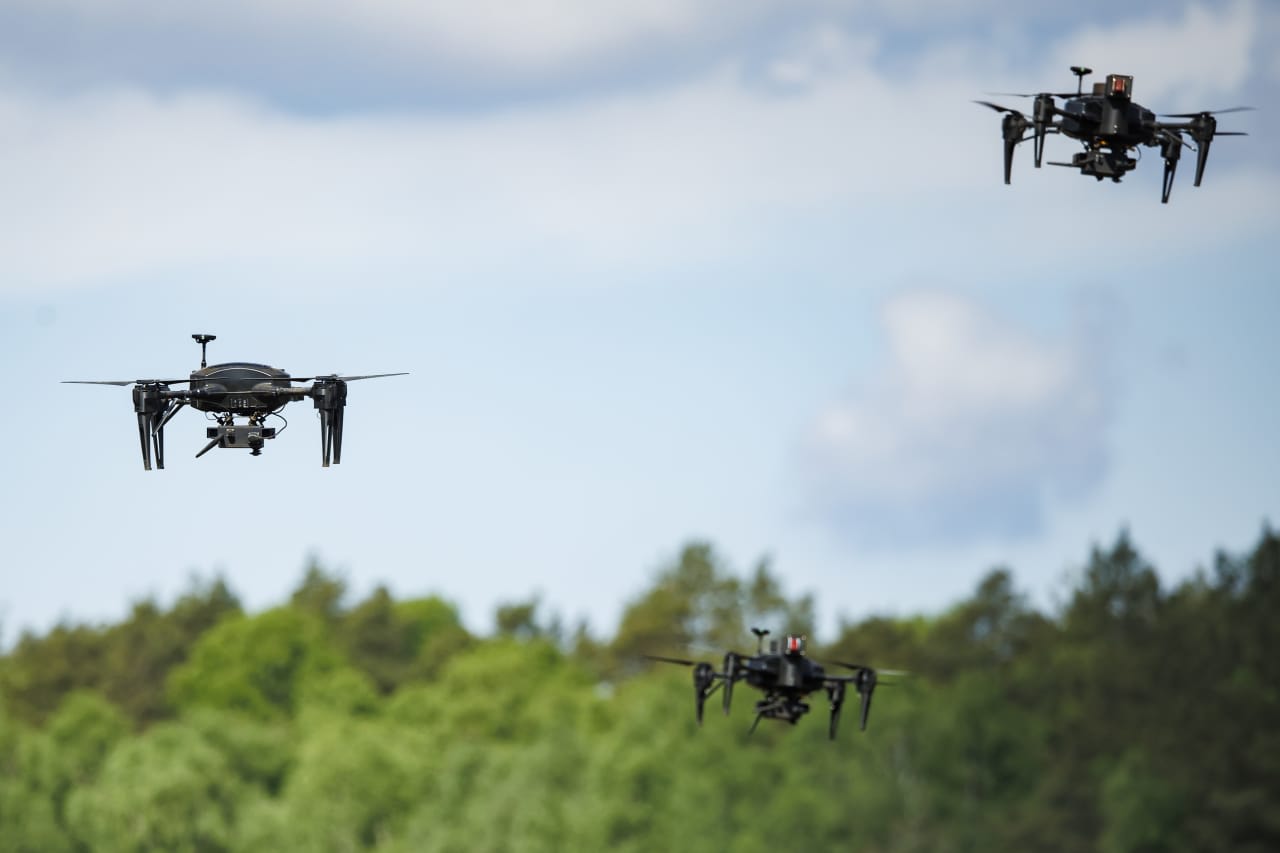
Drone manufacturing stocks surged following President Trump's new tariff directive aimed at curbing reliance on foreign components. The policy seeks to bolster U.S. defense manufacturing and diminish China's dominance in the unmanned aerial vehicle sector.
Market Surge Driven by Strategic Defense Policy
The domestic drone industry experienced a significant market rally on Friday following President Donald Trump’s announcement of new import tariffs on foreign-made drone components. This policy shift is explicitly designed to reinvigorate the U.S. defense industrial base and reduce the nation's reliance on external supply chains, particularly those originating from China. Among the companies seeing immediate gains, Unusual Machines led the market with a 15% surge, while Red Cat, AeroVironment, and Kratos also saw notable upward momentum.
The Intersection of Politics and Industry
A notable element of this market movement involves Unusual Machines, a company that has previously identified Donald Trump Jr. as an adviser. The alignment between this specific corporate disclosure and the broader regulatory push highlights the complex relationship between political influence and defense-sector market performance. As investors react to the administration's new trade priorities, companies with direct or tangential ties to the current political landscape are witnessing heightened volatility and investor interest.
National Security and Supply Chain Sovereignty
The White House justification for these tariffs centers on the critical intersection of economic security and national defense. By targeting foreign-made components, the administration aims to mitigate cybersecurity risks inherent in utilizing overseas hardware for sensitive unmanned aerial systems. The directive emphasizes that the current state of outsourcing parts presents a vulnerability that must be addressed to ensure the integrity of the U.S. defense apparatus.
Expanding Domestic Manufacturing Capacity
The long-term objective of this directive is to force a rapid expansion of domestic drone production. For years, the global drone market has been dominated by Chinese manufacturers who benefit from massive economies of scale. By implementing tariffs, the administration is attempting to create a protected environment where U.S. manufacturers can scale their operations, hire domestic talent, and establish a secure, localized supply chain that is insulated from geopolitical trade disputes.
Future Trends in the Defense Sector
Looking ahead, this move likely signals a prolonged period of protectionist trade policy within the defense technology sector. If these tariffs effectively catalyze domestic manufacturing as intended, we may see a shift in investor sentiment toward hardware-heavy defense companies that were previously struggling to compete on price with foreign imports. However, the success of this strategy will depend on whether domestic firms can successfully scale production capacity to meet the demands of the U.S. government and commercial sectors without significant cost increases being passed on to the end-user.
Verification Required?