Drone surveys planned to identify sources of pollution in Maharashtra’s Ulhas, Waldhuni rivers
Source Entity
Latest News: Todays Latest News Headlines from India & World | Hindustan Times
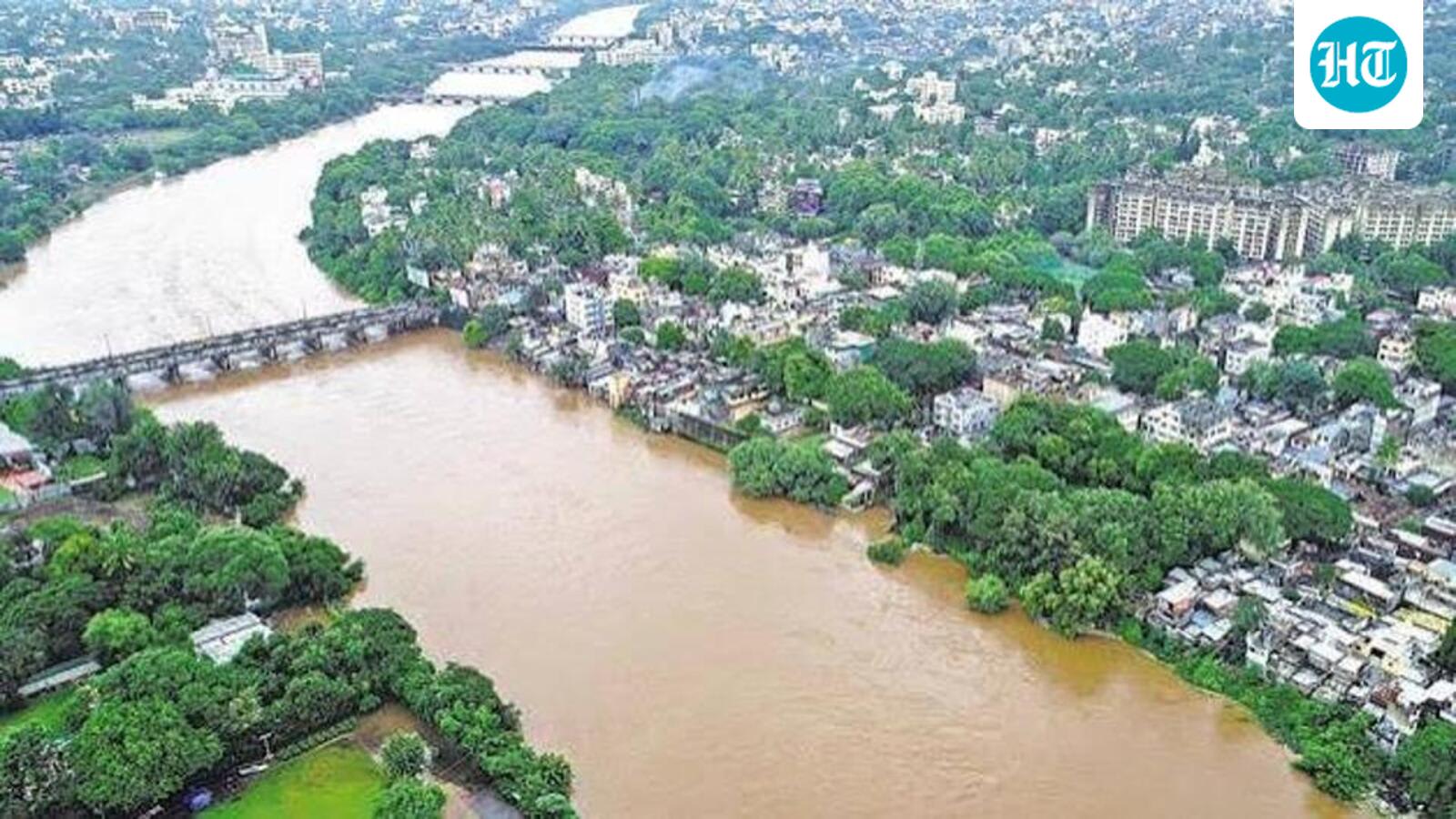
Maharashtra officials are launching drone surveys and infrastructure upgrades to combat severe pollution in the Ulhas and Waldhuni rivers. Led by MP Shrikant Shinde, the initiative focuses on identifying contamination sources and implementing enclosed sewage systems.
Tackling the Ecological Crisis in the Ulhas and Waldhuni Rivers
A Technological Approach to Environmental Restoration
The recent initiative spearheaded by Kalyan Lok Sabha MP Shrikant Shinde marks a significant shift in how the Mumbai Metropolitan Region (MMR) addresses its long-standing water pollution crisis. By integrating drone technology into the surveillance of the Ulhas and Waldhuni rivers, authorities are moving toward a data-driven strategy to identify the precise origins of industrial and residential discharge. This aerial monitoring is critical in a region where dense urbanization and complex industrial zones often make ground-level inspections difficult or incomplete.
Collaborative Governance and Oversight
The involvement of the Maharashtra Pollution Control Board (MPCB), led by chairman Siddesh Kadam, alongside Thane collector Shrikrishna Panchal, underscores the collaborative nature of this intervention. The presence of high-level state and local administrative officials signals a transition from passive observation to active enforcement. This administrative synergy is essential for translating survey findings into actionable policy, such as the construction of enclosed sewage drains and modernized treatment plants, which are the primary pillars of the proposed remediation plan.
Addressing Infrastructure Deficits
Historically, the Ulhas and Waldhuni rivers have suffered from the rapid, often unregulated, expansion of the MMR. The proposal to implement enclosed sewage drains is a direct response to the systemic failure of older drainage networks that frequently overflow or leak directly into the riverbeds. By containing effluent before it reaches the water, the government aims to mitigate the toxic accumulation that has historically plagued these river ecosystems, posing risks to both public health and biodiversity.
Long-Term Implications for Riverfront Development
Beyond immediate pollution control, the meeting discussed the broader vision of riverfront development. This suggests that the authorities view the restoration of these rivers not just as an environmental chore, but as a path to urban renewal. Clean, accessible riverfronts are vital for metropolitan sustainability, potentially transforming once-neglected industrial corridors into valuable public assets. However, the success of these developments is entirely contingent on the efficacy of the planned sewage treatment upgrades.
Future Trends in Regional Sustainability
Looking ahead, the use of drones for environmental monitoring in Maharashtra may set a precedent for other polluted river basins across India. As urban sprawl continues to challenge natural waterways, the integration of real-time aerial imagery and advanced waste management infrastructure will likely become the standard for municipal governance. The success of this specific project in Thane will serve as a litmus test for whether state-led, technology-heavy interventions can effectively reverse decades of environmental degradation in India's most congested urban centers.
Verification Required?