DTCC, Wall Street’s post-trade powerhouse, tests tokenized markets with industry heavy hitters
Source Entity
US Top News and Analysis
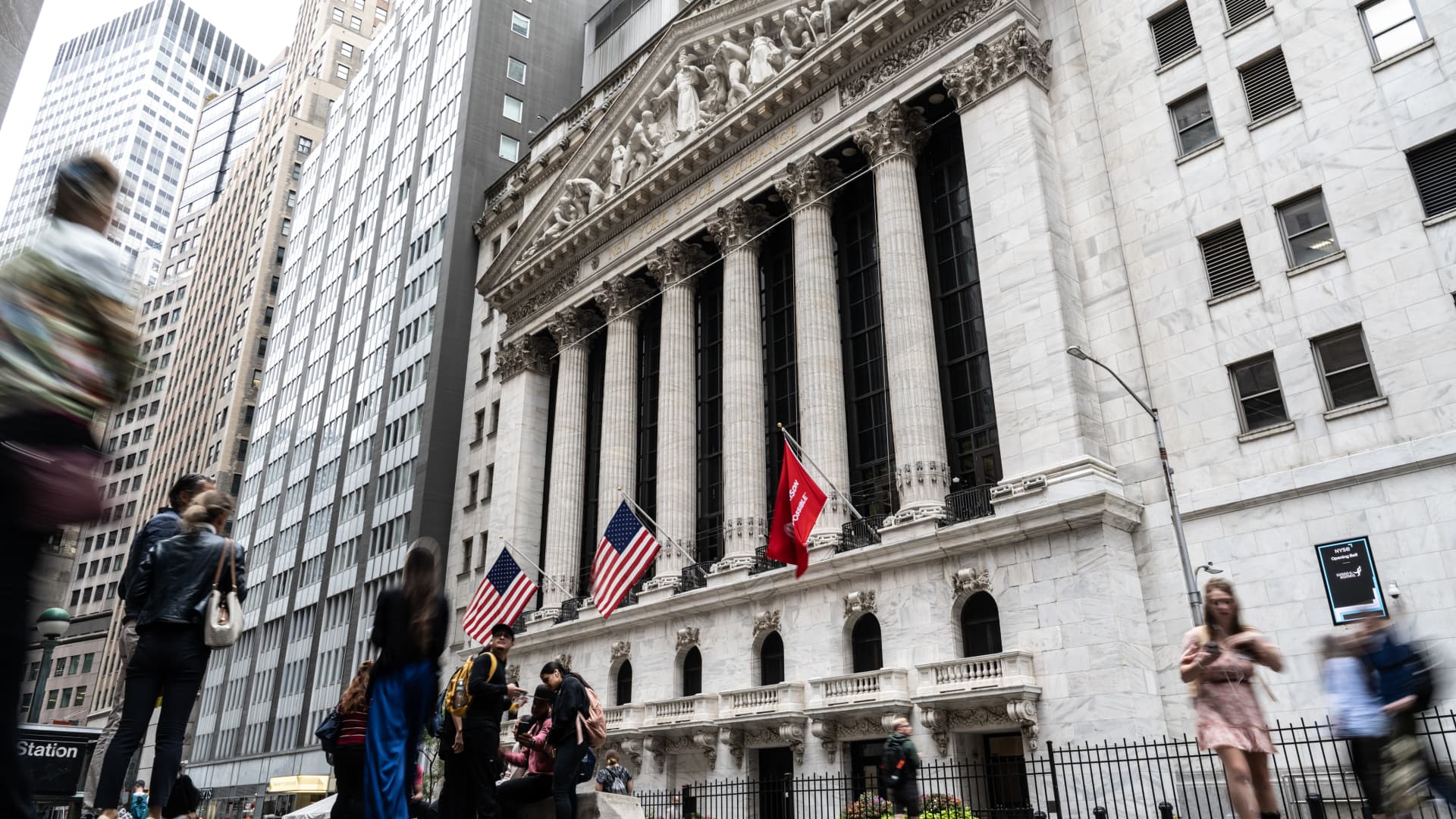
The DTCC is collaborating with major financial institutions to test the tokenization of real-world assets (RWA), aiming to integrate blockchain-based asset representation into existing Wall Street infrastructure to enhance efficiency and liquidity.
The Digital Transformation of Wall Street: DTCC’s Leap into Tokenization
The Depository Trust & Clearing Corporation (DTCC), the central nervous system of the U.S. financial markets, has embarked on a pivotal journey to modernize the post-trade landscape. By testing tokenized markets with a consortium of industry heavy hitters, the DTCC is attempting to bridge the gap between traditional finance (TradFi) and decentralized ledger technology (DLT). This move signifies a shift from theoretical exploration to practical application, as the organization seeks to bring the tokenization of real-world assets (RWA) into the mainstream financial ecosystem.
Understanding the Shift to Real-World Asset (RWA) Tokenization
At its core, the tokenization of real-world assets involves converting the ownership rights of a physical or traditional financial asset—such as real estate, bonds, or equities—into a digital token on a blockchain. For the DTCC, this isn't just about adopting new technology; it is about redefining how value is transferred and recorded. By creating digital representations of assets, the industry can potentially unlock massive amounts of liquidity, allowing for fractional ownership and more efficient trading of assets that were previously illiquid or cumbersome to transfer.
Integration with Existing Financial Infrastructure
A critical component of the DTCC's strategy is the insistence on utilizing existing financial infrastructure. Unlike many "crypto-native" projects that seek to build entirely new, parallel systems, the DTCC is focusing on interoperability. This approach is essential for institutional adoption because it ensures that tokenized assets can coexist with legacy systems, regulatory frameworks, and compliance protocols. By layering tokenization over existing rails, the DTCC reduces the systemic risk associated with a "rip-and-replace" strategy, allowing Wall Street to migrate toward digital assets at a pace that is manageable and secure.
The Role of Industry Collaboration and "Heavy Hitters"
The involvement of "industry heavy hitters" suggests a coordinated effort among the world's largest banks, asset managers, and custodians. In the highly regulated world of post-trade processing, no single entity can change the rules in isolation. By forming a collaborative testing environment, the DTCC is ensuring that the standards for tokenization—such as digital identity, smart contract auditing, and settlement finality—are agreed upon by the major players. This collective approach mitigates the risk of fragmented "silos" of tokenized assets, paving the way for a unified digital market.
Broader Implications: Settlement Speed and Efficiency
The most immediate impact of this initiative will likely be felt in the settlement cycle. Currently, the industry is moving toward T+1 settlement, but tokenization offers the holy grail of finance: T+0, or atomic settlement. When assets are tokenized and traded on a ledger, the transfer of the asset and the payment can happen simultaneously. This eliminates counterparty risk and frees up billions of dollars in collateral that is currently locked up during the settlement window, drastically increasing the capital efficiency of the global financial system.
Future Outlook: From Pilot to Production
Looking ahead, the success of these tests will likely lead to a gradual rollout of tokenized government bonds and corporate debt, followed by more complex assets. As the DTCC proves that tokenization can function within the guardrails of existing regulation, we can expect a surge in "programmable finance," where dividends, coupons, and corporate actions are handled automatically via smart contracts. This will not only reduce the operational overhead for financial institutions but also democratize access to high-value assets for a broader range of investors.
Conclusion
The DTCC's push into tokenized markets represents a watershed moment for Wall Street. By combining the stability of existing infrastructure with the efficiency of blockchain technology, the DTCC is positioning itself to lead the next evolution of global finance. This transition toward RWA tokenization promises a future of unprecedented liquidity, instantaneous settlement, and a more transparent financial architecture, ensuring that the bedrock of the U.S. economy remains competitive in a digital-first world.