SBI Funds Management IPO subscribed 2.77 times; NII category drives demand
Source Entity
George Mathew
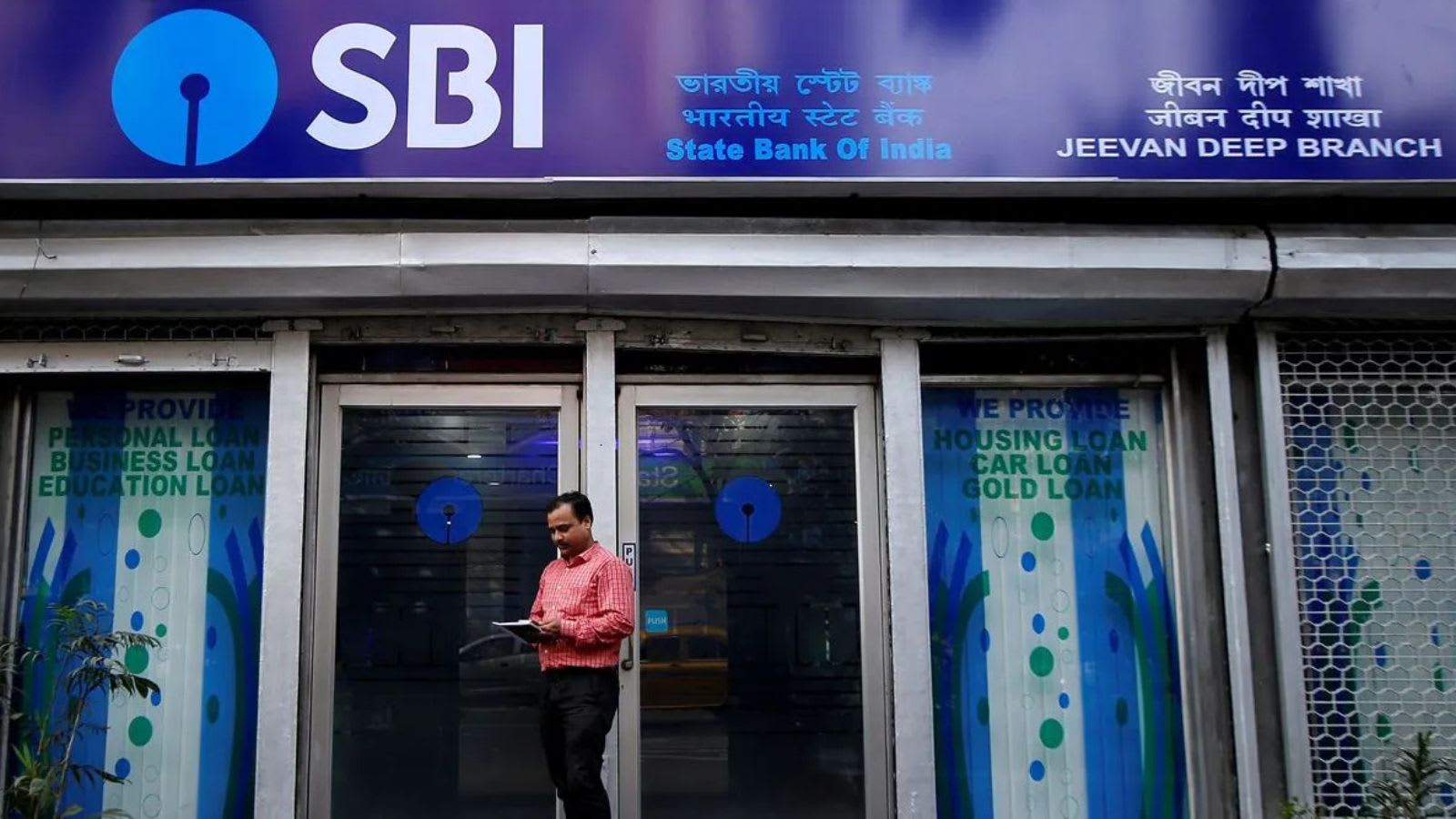
SBI Funds Management's Rs 9,812-crore IPO has been subscribed 2.77 times, with significant demand driven by the Non-Institutional Investor (NII) category. As the largest mutual fund house in India with assets under management (AUM) of over Rs 12.57 lakh crore, the strong subscription reflects high investor confidence in the asset management sector and the SBI brand.
Analysis of SBI Funds Management IPO Subscription
Introduction: A Landmark Entry into Public Markets
The initial public offering (IPO) of SBI Funds Management marks a pivotal moment for the Indian asset management industry. With a total issue size of Rs 9,812 crore, the offering is not merely a capital-raising exercise but a strategic move by the country's largest mutual fund entity to unlock value and enhance its market presence. The subscription rate of 2.77 times indicates a robust appetite among investors, signaling that the market views the company's dominant position and the backing of the State Bank of India (SBI) as a reliable foundation for long-term growth.
The Catalyst: NII Demand and Investor Sentiment
A critical highlight of this IPO is the role of the Non-Institutional Investor (NII) category in driving the demand. NIIs, which typically include high-net-worth individuals (HNIs) and corporate investors, often serve as a bellwether for market sentiment. The strong participation from this segment suggests a high level of confidence in the valuation and future earnings potential of SBI Funds Management. This trend reflects a broader shift in the Indian investment landscape, where sophisticated investors are increasingly looking toward regulated financial intermediaries to manage their wealth amidst volatile global market conditions.
Leveraging the SBI Ecosystem and AUM Dominance
At the heart of the company's appeal is its staggering Assets Under Management (AUM) of Rs 12,57,352 crore. Being the largest mutual fund house in India provides a massive competitive advantage in terms of economies of scale, distribution networks, and brand trust. The inherent synergy with the State Bank of India—the nation's largest public sector bank—gives the fund management arm an unparalleled reach into both urban and rural markets. This structural advantage allows the entity to capture a significant portion of the growing domestic savings pool, ensuring a steady inflow of capital across various fund categories.
Broader Implications for the AMC Sector
This IPO comes at a time when the Indian financial sector is undergoing a period of 'financialization of savings.' Historically, Indian households preferred physical assets like gold and real estate; however, there is a visible transition toward financial assets, specifically mutual funds. The successful subscription of a large-scale IPO like that of SBI Funds Management validates the scalability of the Asset Management Company (AMC) business model. It sets a benchmark for other large fund houses and suggests that the market is ready to price AMCs based on their ability to grow AUM and manage operational costs efficiently.
Future Trends and Growth Trajectory
Looking ahead, the transition to a publicly listed entity will likely compel SBI Funds Management to maintain higher standards of transparency and governance, which could further attract institutional capital. We can expect the company to diversify its product suite—potentially expanding into more specialized passive funds or ESG-focused portfolios—to sustain its growth trajectory. As the Indian economy continues to expand, the demand for professional wealth management is expected to surge, positioning this entity as a primary beneficiary of the increasing penetration of mutual funds across Tier 2 and Tier 3 cities.
Conclusive Summary
In summary, the 2.77x subscription of the SBI Funds Management IPO is a testament to the strength of the SBI brand and the overall health of the Indian mutual fund industry. Driven largely by NIIs, the demand underscores a strategic confidence in the firm's ability to leverage its massive AUM and parentage to dominate the wealth management space. This event is not just a win for the company but a signal of the maturing Indian capital markets and the ongoing shift toward professionalized investment vehicles.