DU’s Central Placement Cell announces internship, job opportunities for students
Source Entity
The Indian Express
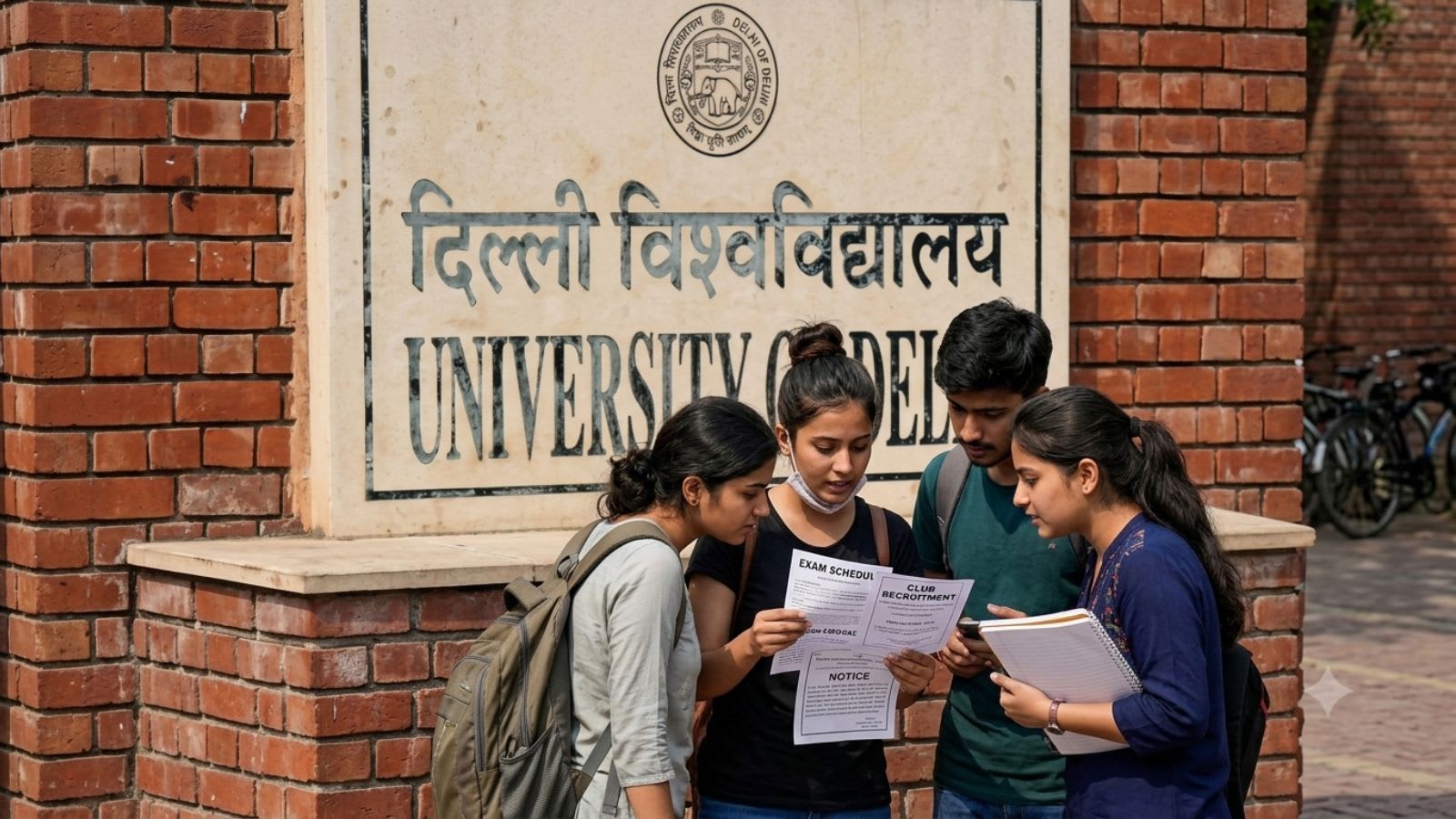
The Central Placement Cell (CPC) of the University of Delhi, under the Office of the Dean Students’ Welfare, has announced three distinct internship and job opportunities for its students, with registration closing on July 22, 2026.
Enhancing Graduate Employability: An Analysis of DU's Central Placement Initiative
The University of Delhi (DU), one of India's most prestigious academic institutions, has taken a proactive step in bridging the gap between academic learning and professional application. The Central Placement Cell (CPC), operating under the Office of the Dean Students’ Welfare, has officially announced three separate internship and job opportunities. This move is designed to provide students with a structured pathway into the professional workforce, ensuring that graduates are not only academically proficient but also industry-ready. With a registration deadline set for July 22, 2026, the university is providing a significant window for students to prepare their applications and align their skills with the requirements of these roles.
The Strategic Role of the Central Placement Cell (CPC)
Historically, placement activities at the University of Delhi were largely decentralized, with individual colleges managing their own corporate relations and recruitment drives. The establishment and empowerment of the Central Placement Cell (CPC) represent a strategic shift toward a more unified and equitable approach. By centralizing these opportunities, the university ensures that students from all affiliated colleges—regardless of the size or prestige of their specific campus—have equal access to high-quality internships and employment. This democratization of opportunity is critical in a diverse university ecosystem where resource distribution can often be uneven.
Addressing the Skills Gap in the Indian Job Market
This announcement comes at a time when the Indian higher education sector is facing intense scrutiny regarding the 'employability gap.' While degrees provide theoretical knowledge, the modern corporate landscape demands practical experience, soft skills, and a level of professional agility that can only be acquired through internships. By offering three distinct opportunities, the CPC is catering to a variety of student profiles and career aspirations. These internships serve as a 'sandbox' for students to apply classroom theories to real-world problems, thereby increasing their market value upon graduation and reducing the onboarding time required by future employers.
Institutional Synergy and the Dean Students’ Welfare
The fact that these opportunities are channeled through the Office of the Dean Students’ Welfare highlights the university's holistic approach to student development. The Dean's office is traditionally focused on the well-being and administrative support of the student body; by integrating placement services into this office, DU is signaling that career readiness is a fundamental part of student welfare. This synergy ensures that the placement process is not merely a transactional recruitment exercise but is integrated into the broader support system provided to students, including mentorship and professional guidance.
Broader Implications for Higher Education Trends
Looking at the broader trend in Indian universities, there is a visible shift toward 'industry-academia integration.' The CPC's initiative is a reflection of this trend, where universities are no longer just centers of learning but are acting as conduits to the economy. We are likely to see an increase in such centralized cells across other state and central universities as the demand for specialized, industry-aligned talent grows. Furthermore, the long lead time for registration (extending into 2026) suggests a planned, cyclical approach to recruitment that allows the university to synchronize its academic calendar with corporate hiring cycles.
Predicting Future Trajectories in Campus Recruitment
Moving forward, it is expected that the CPC will expand its portfolio to include more niche roles, particularly in emerging fields like data analytics, sustainable development, and AI governance. As the nature of work evolves toward hybrid and remote models, the CPC will likely facilitate virtual internships that allow DU students to work with global firms without leaving Delhi. This evolution will further enhance the university's global standing and ensure that its students remain competitive in an increasingly internationalized job market.
Conclusion
In summary, the announcement of these internship and job opportunities by the University of Delhi's Central Placement Cell is a vital intervention in the student lifecycle. By providing centralized access to professional roles and leveraging the administrative strength of the Dean Students’ Welfare, DU is effectively enhancing the career trajectories of its students. This initiative not only benefits the individual candidates but also strengthens the university's relationship with industry partners, creating a sustainable pipeline of skilled talent for the Indian economy.