DU UG admission preferences shift : Dyal Singh, Sri Venkateswara among top 6 choices
Source Entity
Vidheesha Kuntamalla
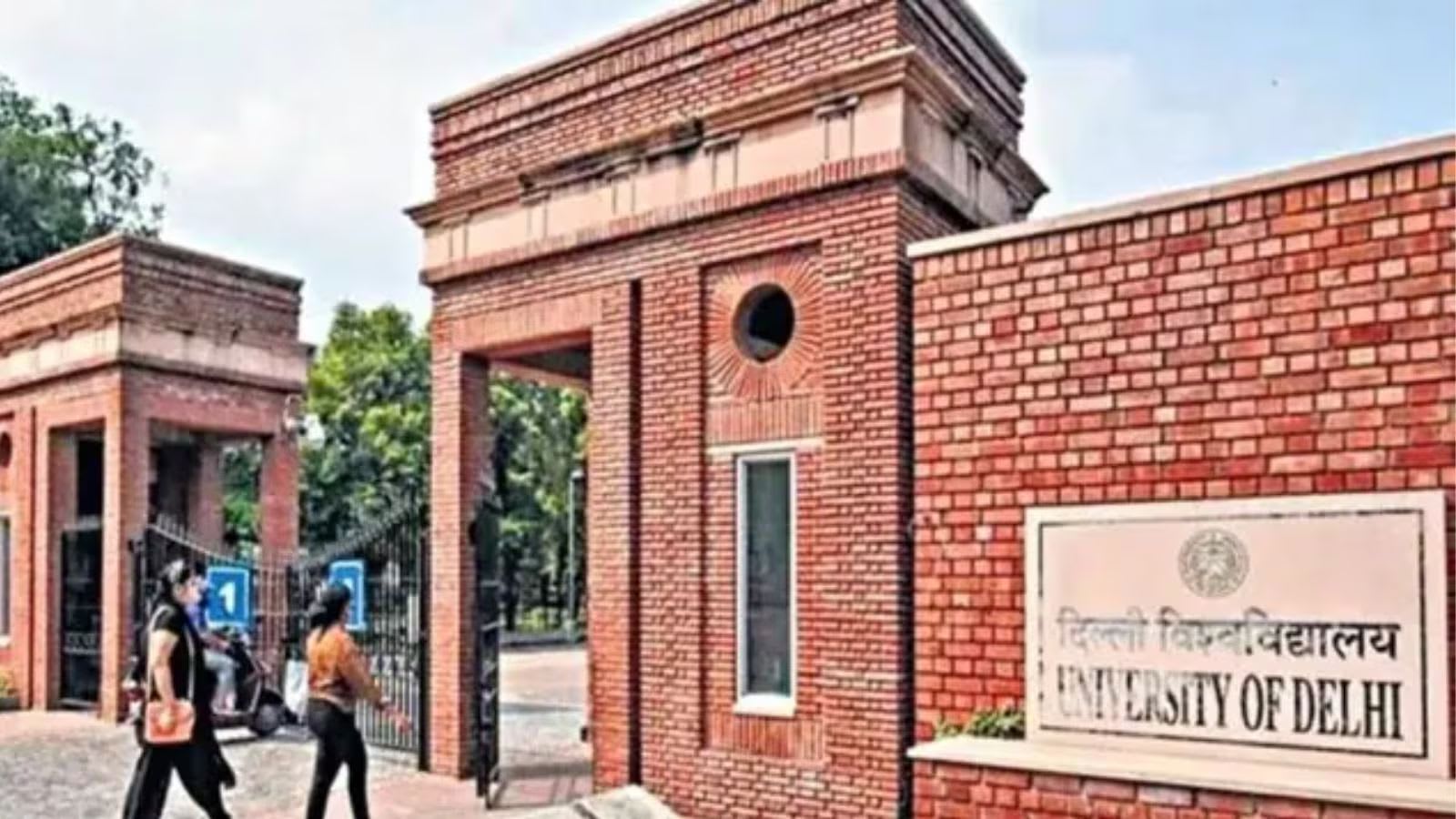
The undergraduate (UG) admission process at Delhi University (DU) this year has witnessed a reshuffle in college preferences opted by candidates — with Dyal Singh College breaking into the list of the...
Analysis of Shifting Preferences in Delhi University UG Admissions
Introduction to the DU Admission Landscape
Delhi University (DU) remains one of the most prestigious institutions for higher education in India, attracting hundreds of thousands of applicants annually. The undergraduate admission process is a high-stakes environment where the 'preference list' submitted by students determines their academic trajectory for the next three years. This year, a significant reshuffle in these preferences has been observed, indicating a change in how students perceive the value and utility of specific colleges within the university's vast ecosystem. The emergence of institutions like Dyal Singh College and Sri Venkateswara College in the top six choices signals a dynamic shift in student sentiment.
The Rise of Dyal Singh College
One of the most striking developments in this year's admission cycle is the ascent of Dyal Singh College into the top tier of candidate preferences. Historically, DU preferences were heavily dominated by a few 'North Campus' giants. However, the inclusion of Dyal Singh College in the top six suggests a broadening of student horizons. This shift may be attributed to several factors, including improved infrastructure, a perceived increase in the quality of specific vocational or professional courses, and a growing realization among students that the 'campus location' is less critical than the specific faculty and resources available for their chosen major.
The Consistency of Sri Venkateswara College
While some colleges are climbing the ranks, Sri Venkateswara College continues to maintain its position as a premier choice. Known for its academic rigor and strong placement records, the college's presence in the top six is a testament to its enduring brand equity. For students, Sri Venkateswara represents a balance of high academic standards and a vibrant campus culture. Its continued popularity underscores the fact that while new preferences are emerging, the established 'powerhouses' of DU still hold significant sway over the aspiring undergraduate population.
Impact of the CSAS and CUET Framework
To understand these shifts, one must look at the broader systemic changes introduced by the Common University Entrance Test (CUET) and the Common Seat Allocation System (CSAS). By moving away from a purely merit-based system centered on Class 12 marks to a standardized entrance test, DU has democratized access. The CSAS portal allows students to list their preferences more flexibly, which likely contributes to the 'reshuffle' observed this year. Students are now more inclined to research colleges based on CUET score trends and course-specific rankings rather than relying on antiquated lists of 'top colleges' passed down through generations.
Broader Implications for Higher Education Trends
This trend reflects a larger shift in the Indian educational psyche: a move toward 'course-centric' rather than 'college-centric' selection. As the job market becomes more specialized, students are prioritizing the quality of the department and the specific curriculum over the general prestige of the college name. The rise of colleges like Dyal Singh suggests that students are conducting more granular research into faculty credentials and alumni outcomes, leading to a more diversified distribution of applicants across the university's various campuses.
Future Predictions and Conclusion
Looking ahead, it is likely that the monopoly of a few select colleges will continue to erode. As more information becomes available via digital platforms and as DU continues to refine its allocation system, we can expect the preference lists to become even more fragmented and specialized. The current shift is merely the beginning of a trend where merit and specific academic alignment outweigh traditional brand loyalty.
In summary, the reshuffle in DU's undergraduate preferences, highlighted by the rise of Dyal Singh and the steady dominance of Sri Venkateswara, marks a pivotal moment in the university's admission history. It reflects a more informed student body and a more transparent allocation process, ultimately leading to a more balanced distribution of talent across Delhi University's diverse collegiate landscape.