Duleep Trophy final shifted to Chepauk Stadium for crowd attendance
Source Entity
The Indian Express
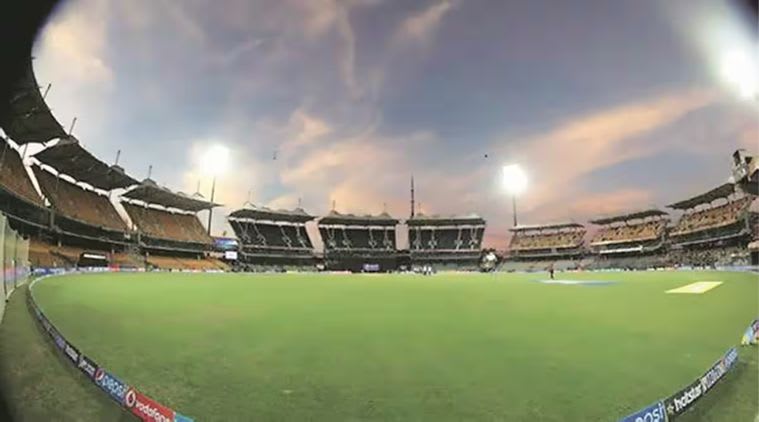
The BCCI has relocated the 2026-27 Duleep Trophy final from Bengaluru's Centre of Excellence to Chennai's M.A. Chidambaram Stadium. This move aims to increase fan engagement by allowing live spectator attendance for the tournament's title clash.
Strategic Relocation of the Duleep Trophy Final
The Board of Control for Cricket in India (BCCI) has officially announced that the 2026-27 Duleep Trophy final will be shifted from the Centre of Excellence (CoE) in Bengaluru to the historic M.A. Chidambaram Stadium in Chennai. Scheduled for September 6-10, the decision marks a significant pivot in the scheduling strategy for India's premier domestic first-class tournament.
Prioritizing Fan Engagement
At the heart of this decision is the BCCI's desire to foster a connection between the sport and its audience. While the Centre of Excellence serves as a vital hub for player development and high-performance training, it was never designed for large-scale public attendance. By moving the match to Chepauk, a venue with deep cricketing roots and massive seating capacity, the board ensures that the culmination of the tournament is celebrated in a vibrant atmosphere.
The Role of Infrastructure in Domestic Cricket
BCCI secretary Devajit Saikia emphasized the rich legacy of the Duleep Trophy, noting that the quality of play warrants a proper stadium experience. The CoE, while technically advanced for training purposes, lacks the logistical infrastructure required to host spectators safely. This relocation highlights the ongoing challenge of balancing elite training facilities with the commercial and cultural requirements of hosting live domestic matches.
Historical Significance of Chepauk
The M.A. Chidambaram Stadium is one of India's most iconic cricketing venues, known for its knowledgeable and passionate crowd. By selecting Chennai, the BCCI is not only solving the immediate issue of spectator restrictions but also elevating the stature of the final. A high-stakes match in front of a live audience provides players with a critical environment that simulates the pressures of international cricket, which is essential for grooming future talent.
Broader Implications for the Domestic Calendar
This move suggests a broader trend in Indian cricket administration: a concerted effort to revitalize the domestic circuit. By ensuring that major tournaments like the Duleep Trophy are played in accessible, high-capacity stadiums, the BCCI is signaling that it views domestic first-class cricket as a premium product. This strategy likely aims to boost interest in the longer format of the game, which remains the cornerstone of skill development for the national team.
Future Outlook and Conclusion
As the BCCI continues to refine its domestic structure, the ability to pivot venues based on fan demand will become increasingly important. The 2026-27 Duleep Trophy final serves as a test case for this flexibility. By prioritizing the spectator experience, the board is investing in the long-term health of the sport, ensuring that the legacy of the tournament continues to resonate with fans across the country.