Puja after paribartan: What is changing in West Bengal’s biggest festival
Source Entity
ARGHYA PRASUN ROYCHOWDHURY
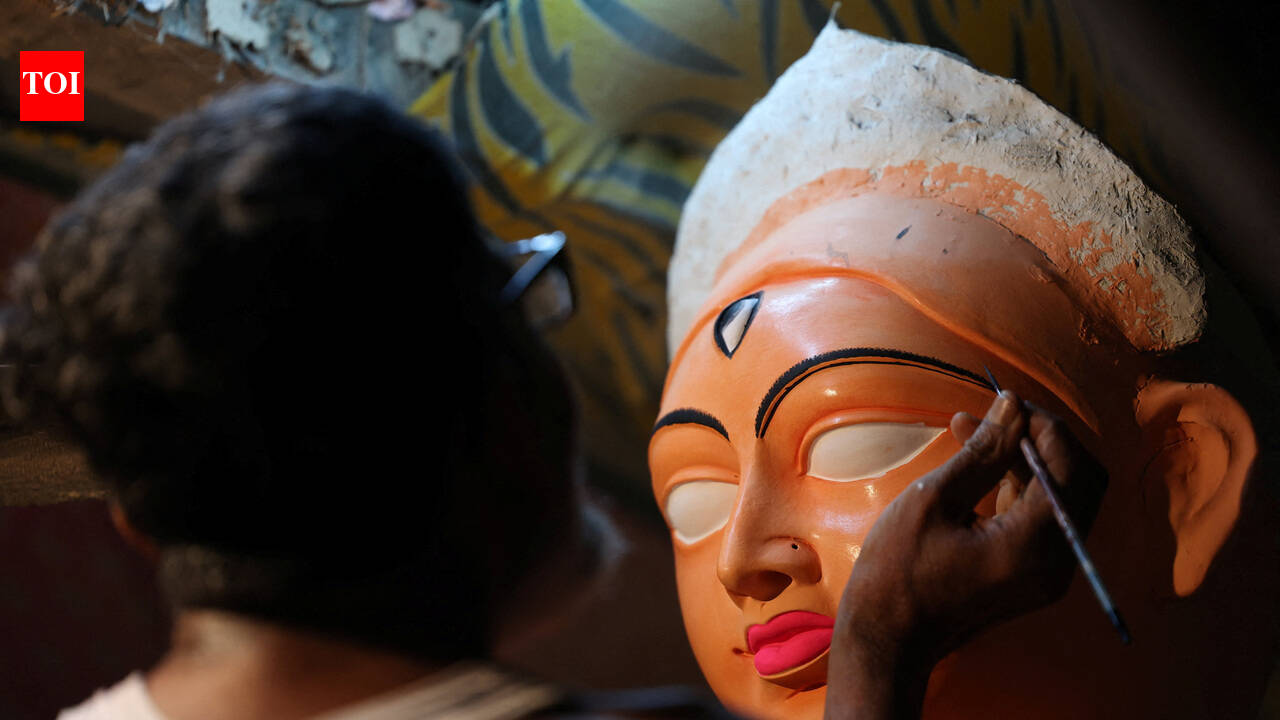
Durga Puja in Kolkata is undergoing a significant cultural shift, moving away from state-sponsored carnivals toward a reclamation of traditional 'sabeki' aesthetics. This evolution reflects a deeper tension between modern thematic displays and the historical preservation of community-driven 'barowari' rituals.
The Shifting Landscape of Kolkata’s Durga Puja
Durga Puja, the heart of Kolkata’s cultural identity, is currently navigating a period of profound transformation. The recent decision to scrap the state-organized Durga Puja Carnival marks a pivotal shift in how the festival is perceived and executed. Historically, the 'barowari' (community-organized) puja—a term derived from 'baro yaar' or twelve friends—has been the bedrock of the celebration. As the state steps back from institutionalized spectacles, the focus is returning to the grassroots origins of the festival, sparking a debate on the intersection of public funding and private tradition.
The Aesthetic Return to Tradition
There is a growing movement favoring the 'sabeki pratima' (traditional idol) over the increasingly complex, theme-based installations that have dominated recent decades. Devotees and artisans are increasingly opting for the 'ek-chalar thakur'—an idol style where all deities are sculpted on a single backdrop—and the use of 'sholar saaj' (pith ornaments). This aesthetic pivot represents a rejection of the commercialization that often accompanies theme-heavy pandals, suggesting a collective desire for a more authentic, spiritual engagement with the goddess.
Ideological Tensions and Cultural Identity
The cultural discourse surrounding the festival has become a battleground for competing ideologies. From the contestation of the term 'Sharadotsav'—seen by some as a departure from the religious roots of 'Durgotsav'—to the influence of 'Markshiyo Darshan' (Marxist philosophy) in the traditional 'para-r communist kaku' (neighborhood communist uncle) narrative, the festival is deeply entwined with Bengal’s political identity. The tension between secular celebrations and the infusion of traditional religious markers is palpable, especially as organizers look toward future displays like the 2025 Sreebhumi Puja or the 'Operation Sindoor' theme at Santosh Mitra Square.
The Ritual Cycle and Political Patronage
Beyond the art, the temporal rhythm of the festival is also being scrutinized. From the significance of 'Mahalaya' and the practice of 'tarpan' (ancestral offerings) to the ritual of 'chokhu daan' (painting the eyes of the deity), these traditions are being re-evaluated in the context of modern governance. While political figures have historically participated in 'chokhu daan' to signal patronage, there is a growing sentiment that the core essence of Durga Puja—the 'kash' flowers, the sound of 'Mahishasuramardini' on the radio, and the community spirit—is something that no government can truly legislate or control.
Future Trends and Conclusion
As Kolkata looks toward 2025, the festival stands at a crossroads. The decline of state-sponsored carnivals may paradoxically lead to a more resilient, community-centric model of worship. Whether the future lies in the high-concept thematic displays of 'Amar Durgotsav' or a complete return to the simplicity of 'sabeki' traditions, the festival remains a reflection of the city’s complex social fabric. Ultimately, the survival of Durga Puja depends on its ability to balance its historical roots with the evolving expectations of a modernizing Bengali society.