‘Majority did not vote for them’, says CJP's Saurav Das as ABVP sweeps DUSU polls
Source Entity
Latest News: Todays Latest News Headlines from India & World | Hindustan Times | Hindustan Times
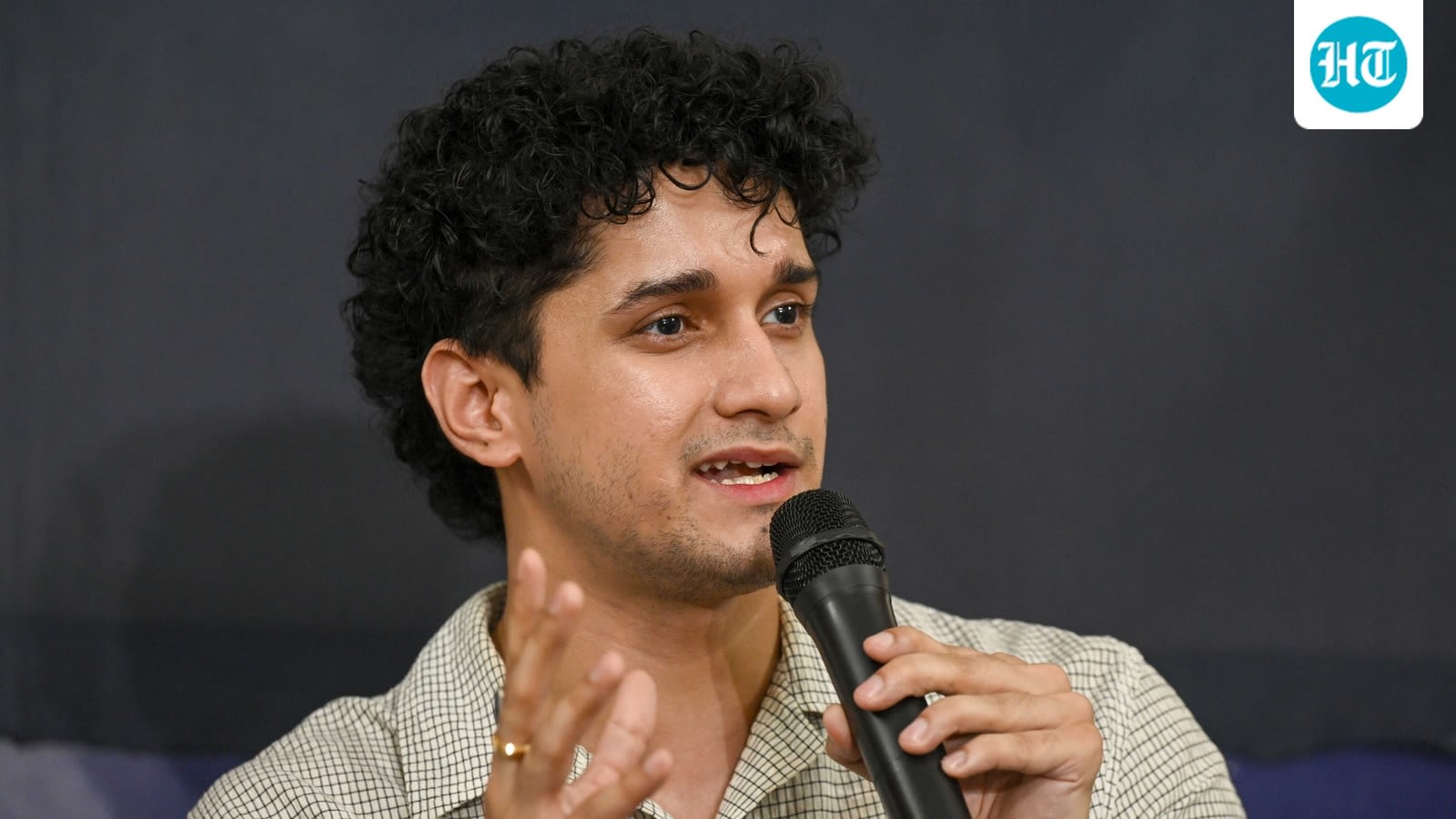
The DUSU 2026 election results are currently being counted following a 40.46% voter turnout. Early trends indicate a highly competitive race between the ABVP, NSUI, and independent candidates for the four central panel positions.
The 2026 DUSU Elections: A High-Stakes Campus Battle
The Delhi University Students’ Union (DUSU) elections for the 2026-27 academic session have reached a critical juncture. Following a polling day that saw a voter turnout of approximately 40.46%, the process of counting votes has commenced. These elections are traditionally viewed as a barometer for student sentiment across the capital, often serving as a training ground for future political leaders in India. The current cycle features a intense tripartite contest involving the Akhil Bharatiya Vidyarthi Parishad (ABVP), the National Students’ Union of India (NSUI), and the left-leaning AISA-SFI alliance.
Analyzing the Candidates and Alliances
The electoral field is crowded with candidates vying for the four central panel posts: president, vice-president, secretary, and joint secretary. The ABVP has anchored its campaign on a ticket featuring Yash Dabas for president, while the NSUI has countered with Vijay Shankar Meena. Meanwhile, the AISA-SFI alliance has put forward Ananya Raturi to lead their efforts. The diversity of these platforms reflects the varied ideological leanings within the university, ranging from nationalist agendas to progressive student advocacy.
Initial Trends and Surprising Developments
Initial counting trends have introduced significant volatility into the expected outcomes. While the ABVP initially showed strength in the presidential and secretarial races, the landscape remains fluid. Notably, independent candidates have made unexpected inroads, leading in the race for vice-president, while a candidate from the Samajwadi Chhatra Sabha (SCS) has emerged as a frontrunner for the joint secretary position. This shift suggests a potential fragmentation of the traditional binary competition between the ABVP and NSUI.
Contextualizing the Political Backdrop
The 2026 election is taking place under a cloud of heightened student activism. The campaign season was deeply influenced by protests at Jantar Mantar, largely sparked by concerns over alleged paper leaks. These issues have dominated the discourse, forcing student organizations to address governance and academic integrity rather than just campus infrastructure. The resignation of key figures in the wake of these controversies has only added to the intensity of the current electoral cycle.
Historical Significance and Future Implications
Looking back at previous cycles, the ABVP maintained a dominant position, securing three of the four central panel posts in the preceding year, with the NSUI managing to claim one. The potential success of the Samajwadi Chhatra Sabha—a group that has not held a central panel post since 2009—would signal a major shift in the university's political power structure. As the remaining rounds of counting proceed, the final composition of the DUSU panel will likely set the tone for student-administration relations for the remainder of the 2026-27 academic year.
Conclusion
As the final votes are tallied, the DUSU 2026 election serves as a microcosm of broader national political trends, characterized by volatile shifts and a focus on systemic accountability. With the race remaining neck-and-neck for the presidency and independent candidates challenging the established party machinery, the final results will be a decisive indicator of the evolving student mandate within Delhi University.
Multiple Citing Sources
Verification Required?