From Delhi to Karnataka: EC releases revised SIR schedule - check new dates
Source Entity
TOI NEWS DESK
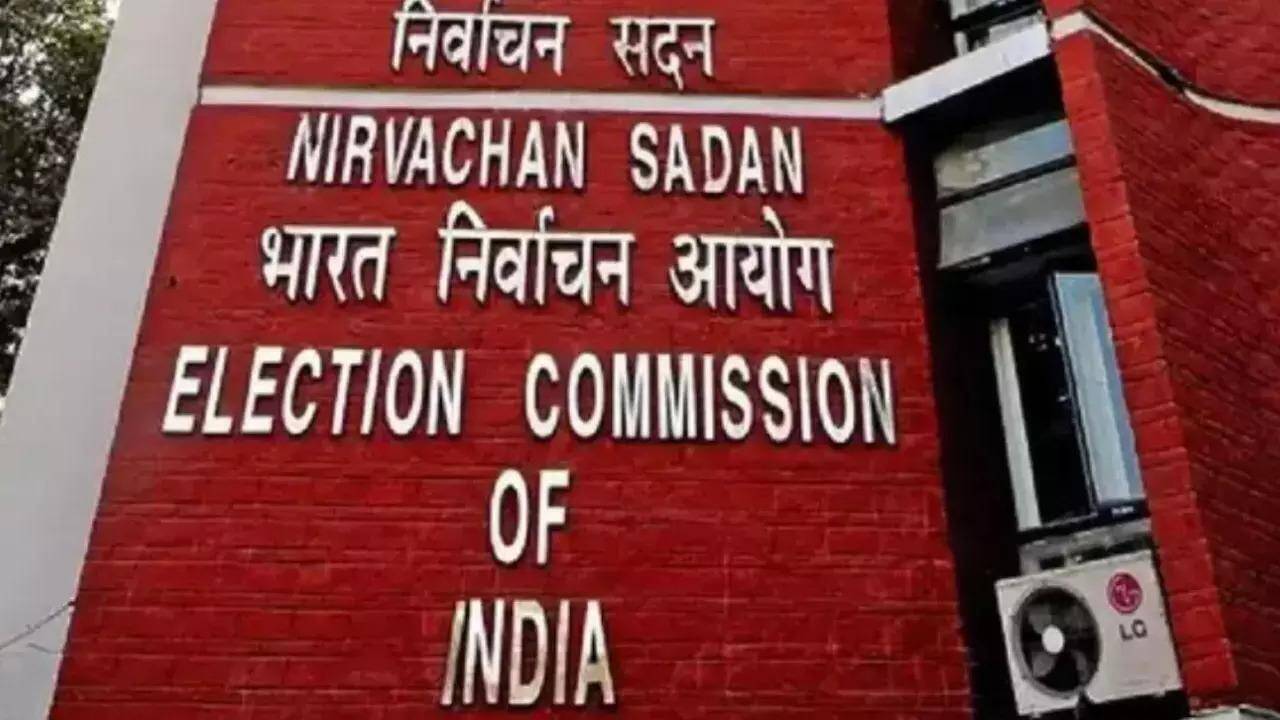
The Election Commission of India has announced a revised schedule for the electoral roll revision across six states, including Telangana, Haryana, and Andhra Pradesh, aiming to finalize updated voter lists by October.
Ensuring Democratic Integrity: Analysis of the EC's Revised Electoral Roll Schedule
The Election Commission (EC) has recently released a revised schedule for the Special Summary Revision (SSR) of electoral rolls across six key states. This administrative exercise is a cornerstone of the democratic process in India, ensuring that the voter lists—the primary documents determining who can participate in an election—are accurate, inclusive, and free from discrepancies. By updating the schedule, the EC is streamlining the process of adding first-time voters and removing ineligible entries, such as deceased persons or those who have permanently shifted residence.
State-Specific Timelines and Procedural Nuances
The revised schedule highlights varying timelines tailored to the needs of specific states. For instance, Telangana is set for draft publication on August 10, with the finalization of rolls occurring on October 12. In contrast, Haryana and Andhra Pradesh will see their draft rolls published earlier, on July 31. This staggered approach allows the EC to manage resources effectively and ensure that local electoral registration officers (EROs) can meticulously verify claims and objections. The period between the draft publication and finalization is critical, as it provides a window for citizens to challenge inaccuracies or apply for registration, thereby safeguarding the right to franchise.
The Broader Implications of Voter List Accuracy
Maintaining an up-to-date electoral roll is not merely a clerical task but a vital safeguard against electoral fraud. The process of removing 'ineligible electors'—which includes deduplication of names and removing entries of deceased individuals—prevents potential proxy voting and reduces the likelihood of disputes on polling day. Conversely, the active pursuit of adding new voters, particularly youth who have turned 18, is essential for increasing voter turnout and ensuring that the youth demographic is adequately represented in the legislative process. When voter lists are inaccurate, it can lead to disenfranchisement, which often sparks legal challenges and undermines public trust in the electoral outcome.
Historical Context and the Evolution of the SSR
Historically, electoral roll revisions were cumbersome, manual processes prone to significant errors and delays. Over the last decade, the Election Commission of India has transitioned toward a more digitized and transparent system. The shift toward 'Special Summary Revisions' (SSR) represents a more structured approach compared to continuous updates. By setting hard deadlines for draft and final publications, the EC creates a sense of urgency and public awareness. This systemic evolution has been bolstered by the introduction of online portals for voter registration, making it easier for citizens to check their status and submit Form 6 (for new registration) or Form 7 (for deletion) without visiting a government office.
Predicting Future Trends in Electoral Management
Looking forward, it is likely that the EC will further integrate technology to automate the verification process. We can expect a move toward more robust data-sharing agreements between the EC and state civil registries to automate the removal of deceased voters in real-time, rather than relying on periodic revision cycles. Furthermore, the push toward a 'single-window' digital identity for voters may eventually lead to a more seamless, continuous update mechanism, reducing the need for these high-intensity revised schedules. The current focus on six states serves as a template for how the EC handles regional administrative adjustments to ensure readiness for upcoming electoral cycles.
Conclusion
In summary, the revised schedule for the electoral roll revision in states like Telangana, Haryana, and Andhra Pradesh is a proactive measure to ensure the sanctity of the ballot. By meticulously managing the timeline from draft publication in July and August to finalization in October, the Election Commission is upholding its mandate to provide a fair and inclusive electoral environment. The success of this exercise will be measured by the reduction in voter grievances and the overall accuracy of the final rolls, which will serve as the foundation for the next set of democratic contests in these regions.