Election Commission extends Karnataka SIR by 12 days, ‘surprises’ state unit
Source Entity
The Indian Express
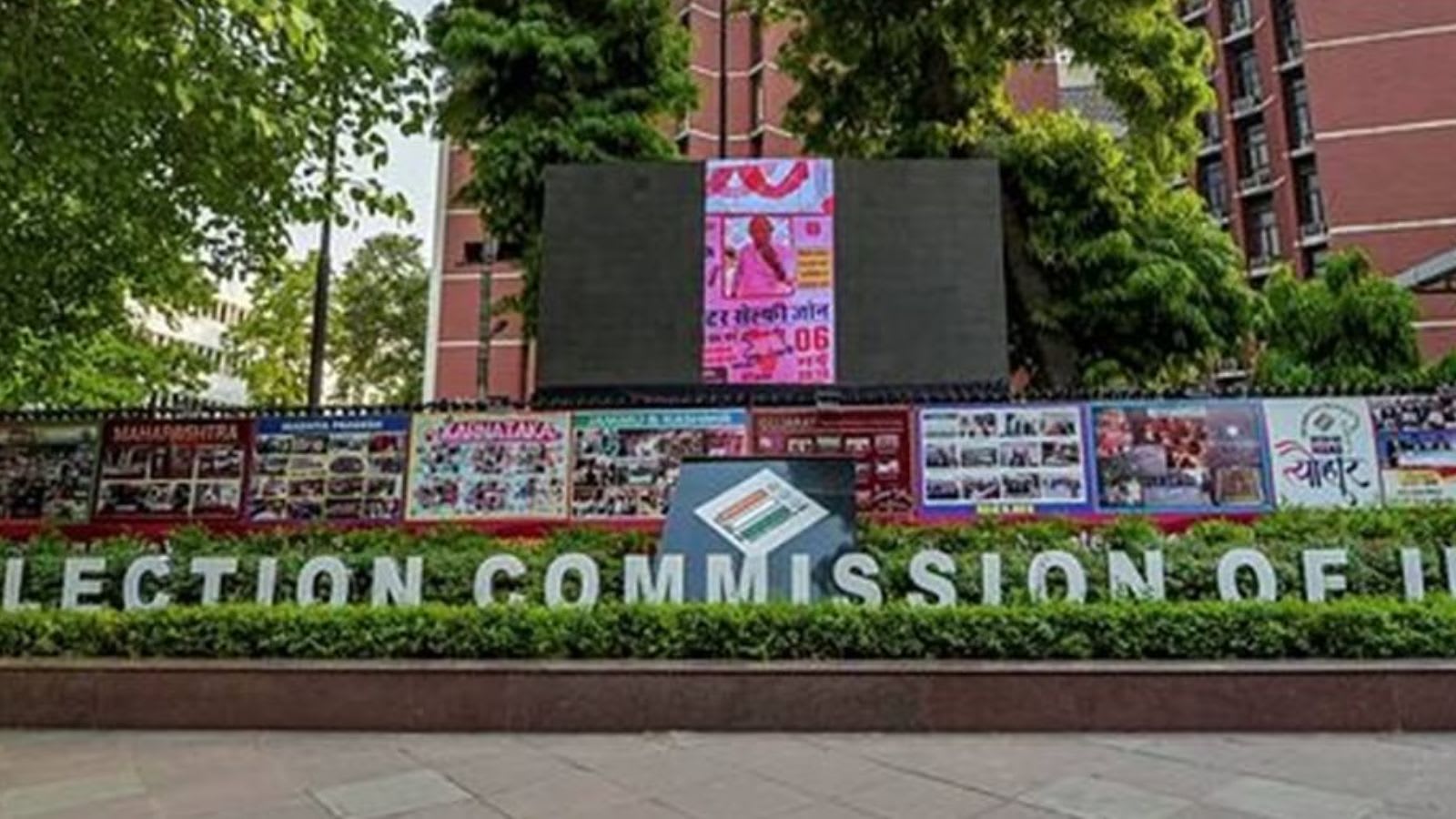
The Election Commission of India (ECI) has extended the Special Intensive Revision (SIR) of the electoral rolls in Karnataka by 12 days, a decision that reportedly caught the state's electoral unit by surprise.
ECI Extends Karnataka Electoral Roll Revision: Analysis of Administrative Shift
The Election Commission of India (ECI) has recently announced a 12-day extension to the Special Intensive Revision (SIR) of the electoral rolls in Karnataka. This move, while appearing as a minor scheduling adjustment on the surface, has reportedly caused significant surprise within the state's electoral unit. The SIR is a critical phase of electoral maintenance designed to ensure that the voter list is accurate, up-to-date, and inclusive, removing deceased or relocated voters while adding eligible new citizens to the rolls.
Logistical Pressures and the 'Surprise' Factor
The fact that the state unit was 'surprised' by this extension suggests a potential disconnect between the central ECI directives and the ground-level execution plan in Karnataka. For the state unit, the SIR involves the deployment of thousands of Booth Level Officers (BLOs) who conduct door-to-door verifications. An unexpected extension of nearly two weeks disrupts established administrative timelines, potentially straining human resources and extending the period of fieldwork for officials who may have already been scheduled for other duties. This friction highlights the complex coordination required between national oversight and state-level implementation.
The Critical Role of Special Intensive Revision
To understand the weight of this extension, one must consider the broader purpose of the SIR. In a vibrant democracy, the integrity of the electoral roll is the foundation of a fair election. The SIR process is designed to prevent 'ghost voting' and ensure that disenfranchisement is minimized. By extending the deadline, the ECI is likely prioritizing the quality and comprehensiveness of the data over the strict adherence to a calendar. This suggests that the initial revision may have revealed gaps or inconsistencies that required more time to rectify to avoid legal challenges or voter grievances during the actual polling process.
Navigating Karnataka's Demographic Complexities
Karnataka presents unique challenges for electoral roll maintenance due to its rapid urbanization in hubs like Bengaluru and significant internal migration within its rural districts. Accurate voter lists in such an environment are difficult to maintain, as residents frequently move for employment. The decision to extend the SIR implies an awareness of these complexities. Ensuring that the rolls reflect the current residency of the population is essential to prevent electoral fraud and to ensure that every eligible citizen can exercise their right to vote in the correct constituency.
Implications for Electoral Integrity and Future Trends
This extension sets a precedent for how the ECI handles data discrepancies in high-stakes electoral environments. By opting for a thorough revision rather than rushing to meet a deadline, the ECI is signaling a commitment to 'zero error' in voter registration. Moving forward, this may lead to a trend where the ECI allows more flexibility in SIR timelines across various states to accommodate local demographic shifts. However, it also underscores the need for better communication channels between the central commission and state units to prevent administrative shocks.
Conclusion
In summary, while the 12-day extension of the Special Intensive Revision in Karnataka has created temporary administrative friction, it serves a higher democratic purpose. The ECI's decision to prioritize an exhaustive and accurate electoral roll over a rigid schedule is a necessary step in safeguarding the legitimacy of future elections. By addressing the 'surprises' and logistical hurdles now, the Commission is mitigating the risk of larger systemic failures during the voting process, ensuring a more robust and inclusive democratic exercise for the people of Karnataka.