ECI extends model code restrictions to retired Govt officials engaged by States
Source Entity
India Latest News: Top National Headlines Today & Breaking News | The Hindu
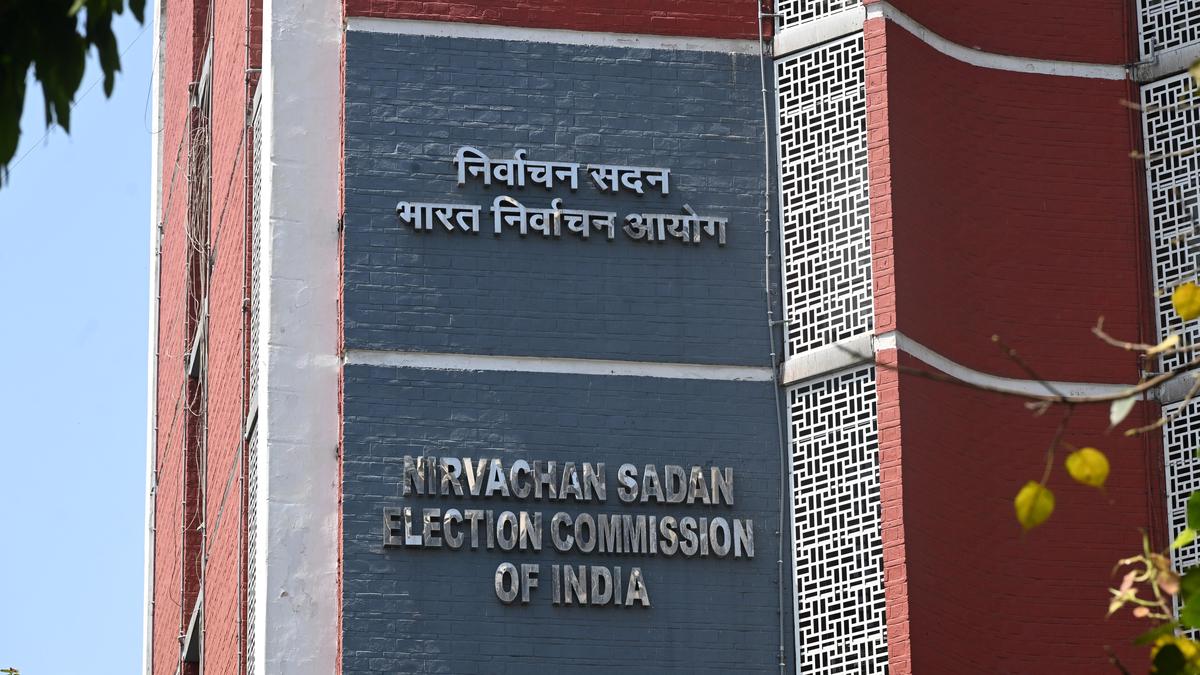
The Election Commission of India has expanded Model Code of Conduct restrictions to include retired government officials hired by state governments. These individuals are now prohibited from engaging in political campaigning or canvassing during the election period.
ECI Tightens Oversight on Retired Officials During Elections
In a significant regulatory development ahead of the upcoming electoral cycle, the Election Commission of India (ECI) has issued a directive expanding the scope of the Model Code of Conduct (MCC). As of November 10, 2026, the ECI has mandated that retired government officials and other individuals currently engaged by State and Union Territory governments must adhere to the same standards of political neutrality as active civil servants. This move aims to close a potential loophole where state-hired consultants or retired personnel could be leveraged to influence electoral processes.
Scope and Geographic Application
The directive was formally communicated to the Chief Secretaries and Chief Electoral Officers of five key states: Goa, Manipur, Punjab, Uttar Pradesh, and Uttarakhand. These regions are slated for legislative assembly elections early next year. By targeting these specific administrative hubs, the ECI is proactively addressing the risk of partisan influence in states where the transition of power is imminent and the political stakes are high.
The Rationale Behind Political Neutrality
The core of the ECI's mandate is the preservation of the sanctity of the electoral process. The MCC has historically served as a regulatory framework to ensure a level playing field between the ruling party and the opposition. By extending these rules to retired officials engaged in advisory or administrative capacities, the ECI prevents the state machinery from being utilized to gain an unfair advantage. The commission explicitly prohibits these individuals from participating in, or canvassing for, any election campaign.
Implications for State Administration
This policy shift forces state governments to rethink how they utilize retired personnel during the pre-election period. Often, retired officers are brought back for their institutional memory and expertise in governance. However, the ECI’s stance clarifies that such professional engagement must remain strictly apolitical. Any deviation from this neutrality could now be interpreted as a violation of the MCC, potentially leading to administrative repercussions for both the individual and the state body employing them.
Strengthening Institutional Integrity
The ECI’s proactive stance reflects an ongoing effort to modernize election oversight in response to evolving political strategies. As states increasingly rely on external experts and retired civil servants, the Commission is signaling that no individual associated with state-funded positions is exempt from the duties of neutrality. This creates a clearer boundary between professional service and political participation, ultimately strengthening the democratic infrastructure of India.
Future Trends and Outlook
Looking ahead, this directive sets a precedent for future election cycles across India. By standardizing the behavior of all government-affiliated personnel—regardless of their retirement status—the ECI is establishing a robust framework that minimizes the influence of 'shadow' campaigners within the bureaucracy. Future electoral cycles will likely see even stricter scrutiny regarding the contractual agreements of retired officials to ensure that the spirit of the MCC is upheld throughout the democratic process.
Verification Required?