Awaiting report on Waris Punjab de’s separatist link claims: Election Commission of India
Source Entity
Latest News: Todays Latest News Headlines from India & World | Hindustan Times
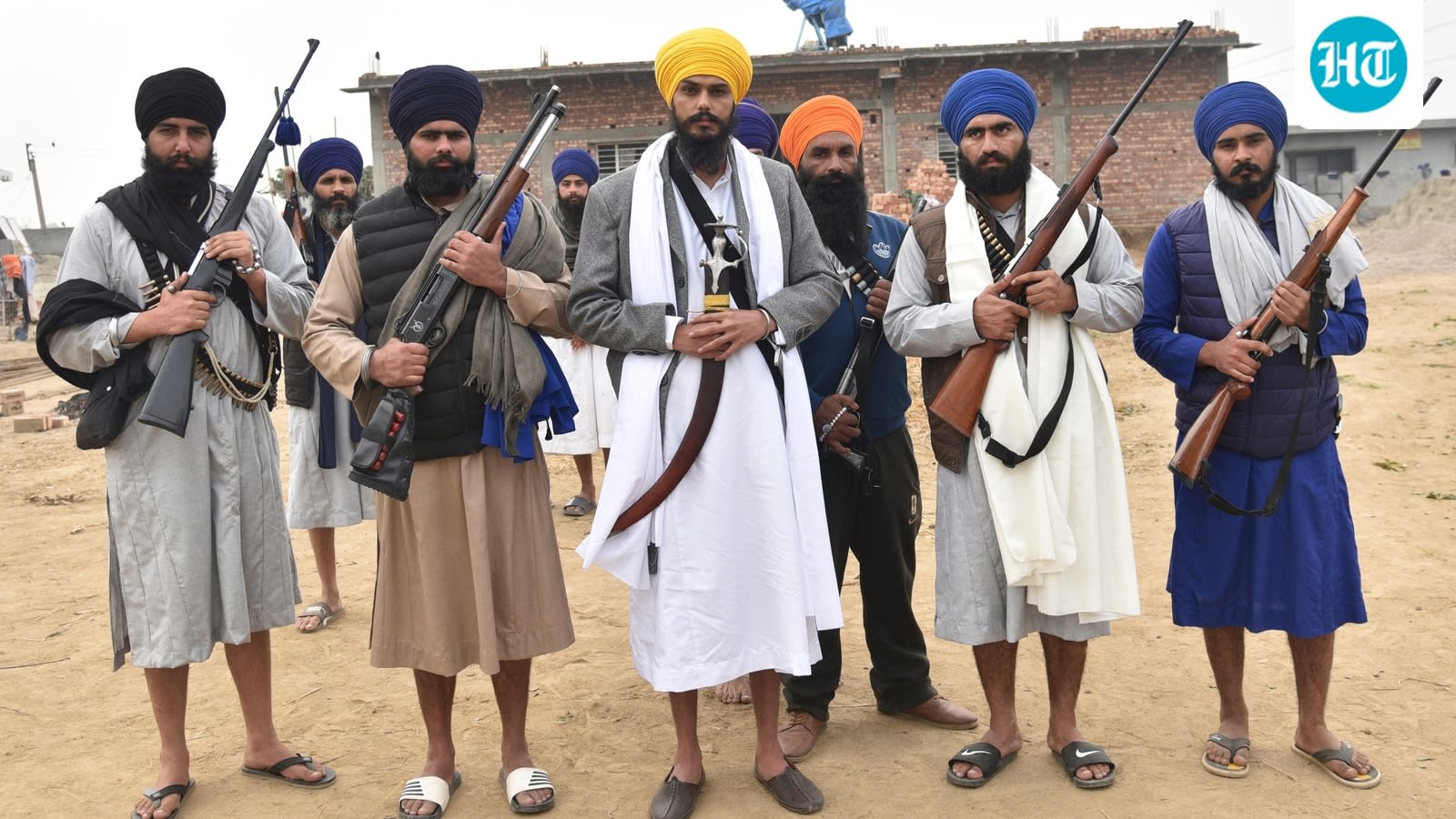
The Election Commission of India is reviewing sensitive allegations regarding the separatist ties of the Akali Dal (Waris Punjab De). The ECI has paused registration pending further verification of the group's origins and leadership.
The ECI’s Regulatory Scrutiny of Akali Dal (Waris Punjab De)
The Election Commission of India (ECI) has taken a cautious stance regarding the registration of the political outfit 'Akali Dal (Waris Punjab De),' citing grave concerns over its alleged separatist leanings. This development, currently unfolding before the Delhi High Court, highlights the complex intersection of democratic processes and national security in India. The ECI’s hesitation stems from sensitive intelligence suggesting that the organization's foundational ideology may be fundamentally at odds with the sovereignty and integrity of the nation.
Origins and Leadership Controversies
Founded in 2021 by the late actor-activist Deep Sidhu, 'Waris Punjab De' has transitioned into a highly contentious political entity. Following Sidhu's death, the organization came under the leadership of Amritpal Singh, a pro-Khalistan legislator currently incarcerated. The involvement of individuals previously detained under the National Security Act (NSA) for activities deemed prejudicial to India’s unity has triggered a rigorous background inquiry by the ECI, reflecting the commission's commitment to ensuring that political parties adhere strictly to constitutional mandates.
The Conflict of Verification Reports
A significant point of contention in the Delhi High Court proceedings involves conflicting administrative assessments. While the Chief Electoral Officer (CEO) of Punjab submitted a positive verification report for the group in April 2026, subsequent intelligence received by the ECI in July 2026 prompted a reversal of the commission’s trajectory. The ECI has explicitly informed the court that it is awaiting a more granular inquiry to reconcile the initial positive report with the grave and sensitive inputs received later in the summer.
National Security and Constitutional Obligations
Under Indian electoral law, the registration of a political party is not a mere administrative formality but a process that requires alignment with the democratic values enshrined in the Constitution. The ECI’s decision to seek further verification underscores the principle that political participation is contingent upon an allegiance to India’s sovereignty. By delaying the registration, the ECI is exercising its oversight authority to prevent entities that potentially promote separatism from utilizing the formal political apparatus to undermine national stability.
Broader Implications and Future Trends
This case sets a significant precedent for how the ECI handles organizations with roots in radical or separatist movements. As the judiciary continues to oversee these proceedings, the outcome will likely define the parameters for future political registrations in regions experiencing ideological volatility. The ECI's insistence on a thorough field verification report suggests a shift toward a more proactive, security-conscious vetting process for new political entrants, ensuring that the electoral landscape remains protected from elements that challenge the state's territorial integrity.
Conclusion
The ongoing legal battle regarding the registration of Akali Dal (Waris Punjab De) serves as a critical reminder of the delicate balance between the freedom of association and the protection of the state. As the ECI awaits the final report from the Punjab CEO, the focus remains on whether the organization can demonstrate a commitment to India’s democratic framework. The resolution of this matter will be pivotal in maintaining political decorum and national security in the lead-up to future electoral cycles.
Verification Required?