Eight German state premiers back Merz amid speculation over future
Source Entity
BBC News
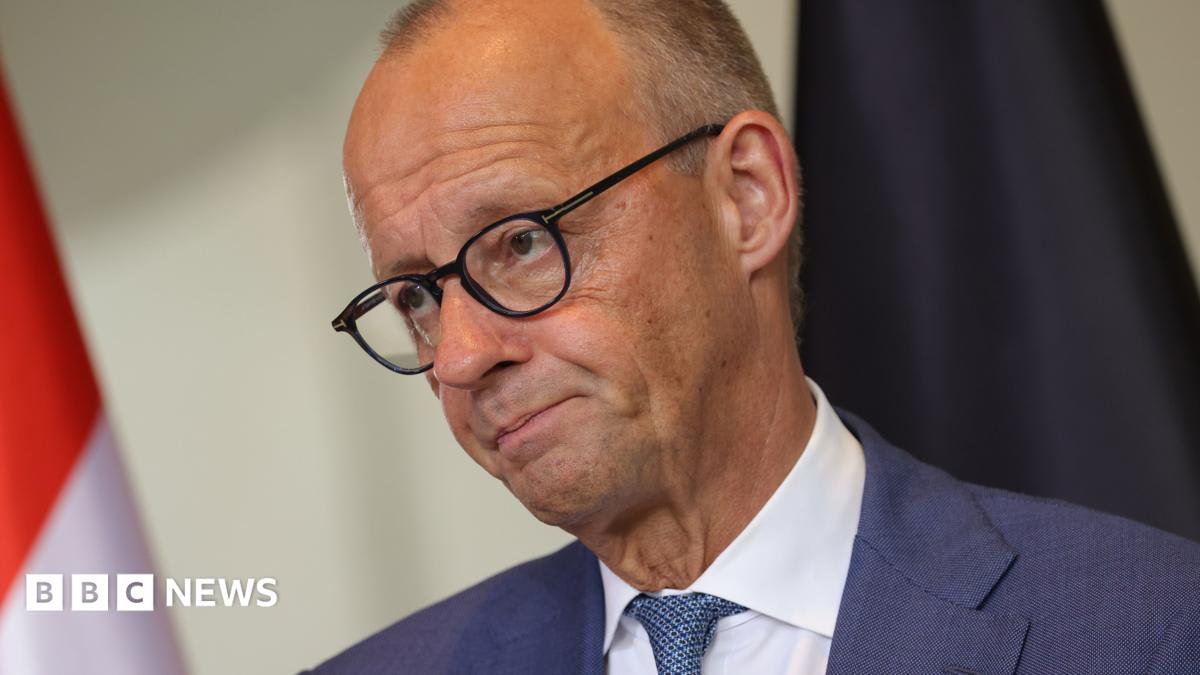
Eight German state premiers from the CDU have publicly backed party leader Friedrich Merz amid intense speculation over his political future. This unified support arrives just before two critical state elections that will serve as a definitive test of his leadership.
A Defining Moment for the CDU Leadership
The political landscape in Germany is currently navigating a period of significant volatility, as eight state premiers from the Christian Democratic Union (CDU) have issued a unified statement of support for party leader Friedrich Merz. This show of solidarity is a direct response to persistent rumors regarding a potential 'Kanzlertausch,' or chancellor swap, which have circulated within the party ranks for months. By publicly aligning behind Merz, these regional leaders are attempting to stabilize the party's narrative ahead of two pivotal state elections scheduled for this weekend.
The Mandate for Political Action
In their collective message, the premiers emphasized that the path to restoring public trust in the CDU is through substantive policy engagement rather than internal power struggles. Their statement explicitly rejects 'debates over personnel,' framing such discourse as a distraction from the broader goal of addressing voter concerns. This focus on 'listening and taking political action' suggests that the party leadership is attempting to pivot the conversation away from leadership viability and toward the tangible policy shifts necessary to regain electoral momentum.
Challenges Amidst a Shifting Electorate
Friedrich Merz, who has occupied his current leadership position for 16 months, finds himself under immense pressure due to stagnant approval ratings. A primary driver of this political anxiety is the rapid ascent of the anti-immigration, far-right Alternative for Germany (AfD) party. The AfD's ability to capitalize on voter frustration has made the CDU’s traditional center-right platform appear vulnerable, leading to internal questions about whether Merz’s specific brand of leadership is becoming an electoral liability in an increasingly polarized climate.
The High Stakes of Weekend Elections
These upcoming state elections are not merely regional contests; they are widely viewed as a referendum on Merz’s leadership capability. The results will likely dictate the internal temperature of the CDU for the remainder of the year. If the party performs poorly, the calls for a change in direction may intensify, regardless of the current support from the state premiers. Conversely, a strong showing could provide the political capital Merz needs to solidify his position and silence critics who have been questioning his long-term viability.
Looking Toward the Future
The survival of Merz’s leadership strategy depends on his ability to address the concerns of a base that feels increasingly drawn to the populist rhetoric of the AfD. The pressure to balance traditional conservative values with the need for modern political solutions remains a delicate task. As the CDU moves into this critical weekend, the unified stance of the state premiers serves as a temporary bulwark against chaos, but the long-term future of the party will ultimately be decided at the ballot box by voters who are demanding clear, decisive action over internal party politics.