Judicial discipline vital, says ex-CJI Gavai on Rajasthan HC controversy
Source Entity
Latest News: Todays Latest News Headlines from India & World | Hindustan Times | Hindustan Times
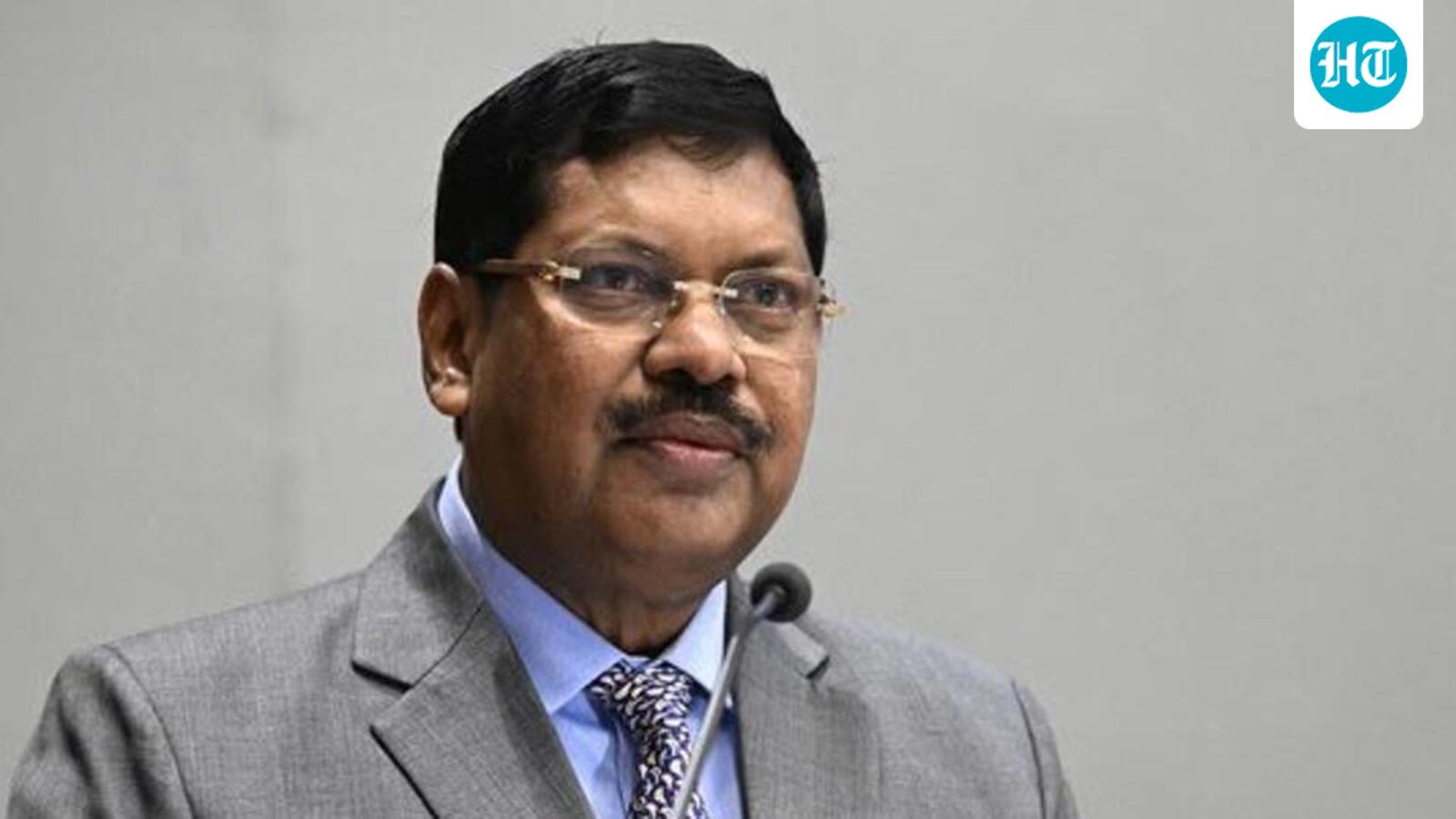
President Droupadi Murmu has appointed eight new Chief Justices across various Indian High Courts. The move coincides with a public controversy involving the Rajasthan High Court, prompting calls for judicial discipline.
Judicial Reshuffling Amidst Institutional Scrutiny
On September 5, 2026, President Droupadi Murmu, in consultation with the Chief Justice of India, exercised her constitutional authority to appoint eight judges as Chief Justices across various High Courts in India. This major administrative overhaul, confirmed by Law and Justice Minister Arjunram Meghwal, represents a significant recalibration of the judicial leadership landscape. The appointments are intended to ensure the smooth functioning of the judiciary, though they occur against a backdrop of internal organizational tensions.
The Rajasthan High Court Controversy
A critical focal point of this announcement is the appointment of Justice Sanjay Kumar Agarwal of the Chhattisgarh High Court as the new Chief Justice of the Rajasthan High Court. This specific appointment is particularly sensitive, as it addresses a period of instability within the Rajasthan High Court, which was previously overseen by Acting Chief Justice Sanjeev Prakash Sharma. The transition comes following public scrutiny sparked by Supreme Court Justice Sandeep Mehta’s involvement, which brought the internal workings of the court into the public domain.
Perspectives on Judicial Discipline
The broader implications of these appointments have been underscored by comments from former Chief Justice of India (CJI) BR Gavai. During a lecture at the Rajasthan International Centre in Jaipur, Justice Gavai emphasized that judicial discipline is paramount to the integrity of the institution. He noted that while serious complaints against judges must be examined rigorously based on factual evidence, there is no single, uniform policy that can effectively govern every unique scenario of judicial friction.
Institutional Integrity and Public Perception
The controversy involving Justice Sandeep Mehta and Acting Chief Justice Sanjeev Prakash Sharma has raised questions regarding how high-level judicial disagreements are managed. Justice Gavai’s remarks reflect a cautious approach, acknowledging the complexity of the matter while maintaining the sanctity of the judiciary. By declining to comment on the specific merits of the Rajasthan conflict, he highlights the delicate balance between internal accountability and the need to preserve public confidence in the judicial process.
Future Trends in Judicial Appointments
Looking forward, these appointments signal a push toward stabilizing the leadership of the High Courts through constitutional processes. The government’s reliance on the established consultative framework—involving the President and the Chief Justice of India—remains the primary mechanism for resolving such leadership vacuums. Moving forward, the judiciary will likely face continued pressure to refine its internal mechanisms for dispute resolution, ensuring that future controversies are managed with greater institutional cohesion and adherence to the principles of judicial discipline.
Verification Required?