Row brews in Punjab as Centre bypasses state response to appoint High Court Chief Justice
Source Entity
Kanchan Vasdev
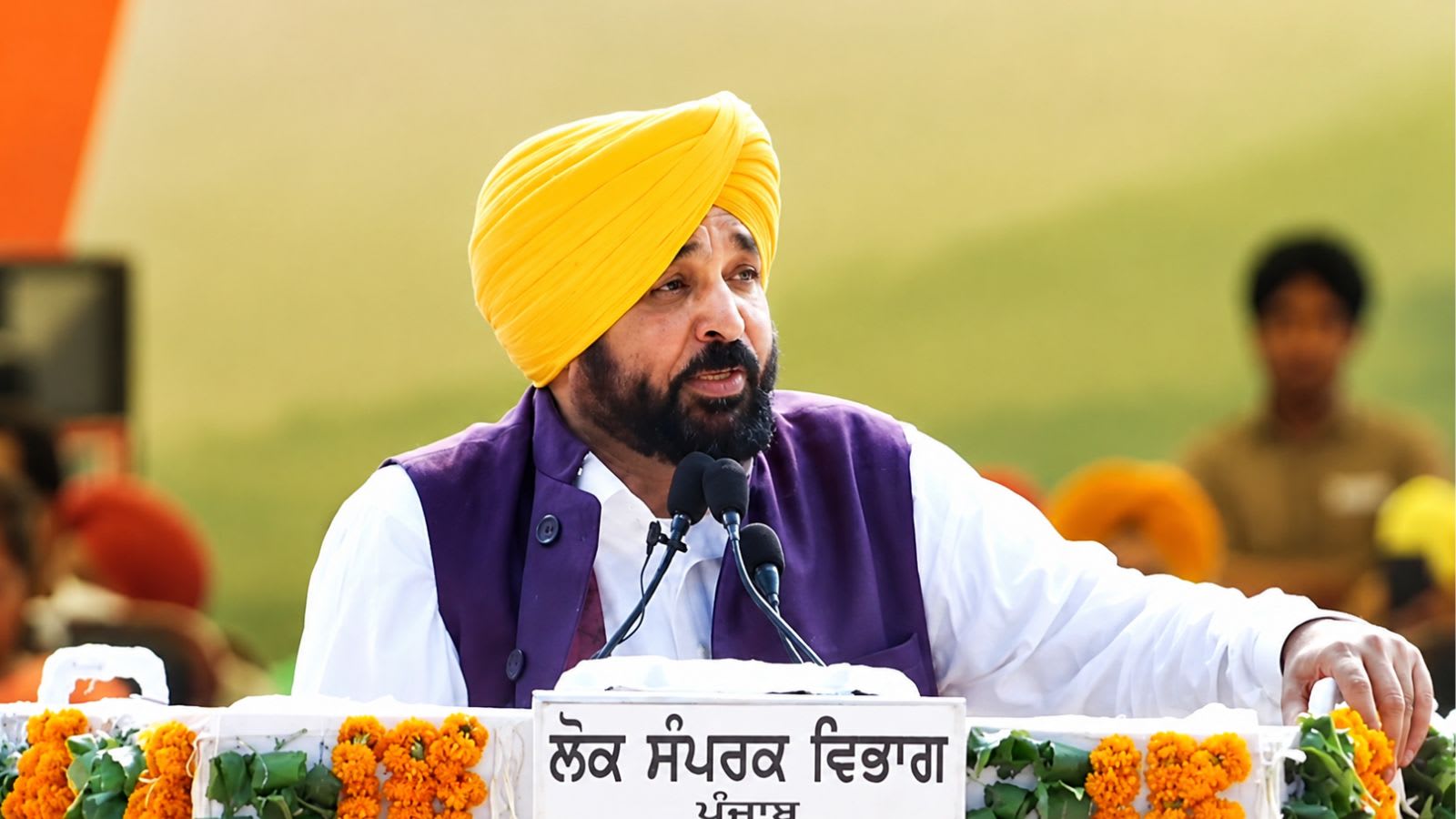
President Droupadi Murmu has appointed eight new Chief Justices to various High Courts across India. These appointments coincide with ongoing discussions regarding judicial discipline following a controversy at the Rajasthan High Court.
Judicial Reshuffle Amidst Institutional Scrutiny
President Droupadi Murmu has officially appointed eight judges from various High Courts to serve as Chief Justices across the country. This significant administrative action, announced by Law and Justice Minister Arjun Ram Meghwal via social media, was conducted under the constitutional powers vested in the President, following formal consultations with the Chief Justice of India. These appointments represent a routine yet critical exercise of the collegium system, aimed at ensuring that leadership roles within state judiciaries are filled to maintain the continuity of legal proceedings.
The Rajasthan High Court Context
A notable aspect of these appointments is the designation of Justice Sanjay Kumar Agarwal of the Chhattisgarh High Court as the new Chief Justice of the Rajasthan High Court. This move occurs against a backdrop of public controversy surrounding the outgoing Acting Chief Justice, Sanjeev Prakash Sharma. The scrutiny intensified following reports concerning Supreme Court Justice Sandeep Mehta, highlighting internal tensions that have become a subject of public discourse.
The Debate on Judicial Discipline
In the wake of these developments, former Chief Justice of India (CJI) BR Gavai addressed the importance of judicial discipline during his keynote at the Yashraj Samant Memorial Annual Arbitration Lecture in Jaipur. Justice Gavai emphasized that while serious complaints against judges must be examined thoroughly, they must be grounded strictly in factual evidence rather than speculation. He noted that there is no 'one-size-fits-all' policy for addressing such complaints, underscoring the complexity of internal judicial oversight.
Institutional Integrity and Public Perception
Justice Gavai’s commentary reflects a broader concern regarding the preservation of the judiciary's reputation. By stating that he was surprised by the public nature of the Rajasthan HC controversy, he highlighted the delicate balance between transparency and the necessity of maintaining the dignity of the bench. The involvement of a Supreme Court judge in a critique of a High Court official suggests that the mechanisms for internal accountability are currently under intense observation by legal experts and the public alike.
Future Implications for the Collegium System
The appointment of eight new Chief Justices serves as a stabilization mechanism during a period of institutional friction. By placing new leadership in the Rajasthan High Court, the collegium aims to move past the recent controversies and restore administrative order. Looking forward, the judiciary will likely face increased pressure to refine its internal complaint-handling processes to prevent future public disputes from undermining the perceived authority of the courts.
Conclusion
The dual narrative of administrative renewal through new appointments and the ongoing debate over judicial conduct highlights the evolving nature of India’s legal landscape. While the appointment of the new Chief Justices provides a path toward normalcy, the discourse surrounding judicial discipline remains a critical challenge for the judiciary to address as it seeks to maintain public trust in the rule of law.
Multiple Citing Sources