‘Unfit to remain in office’: Eisenkot attacks Netanyahu after ‘hateful’ Knesset speech
Source Entity
YASHASVI VASISTHA
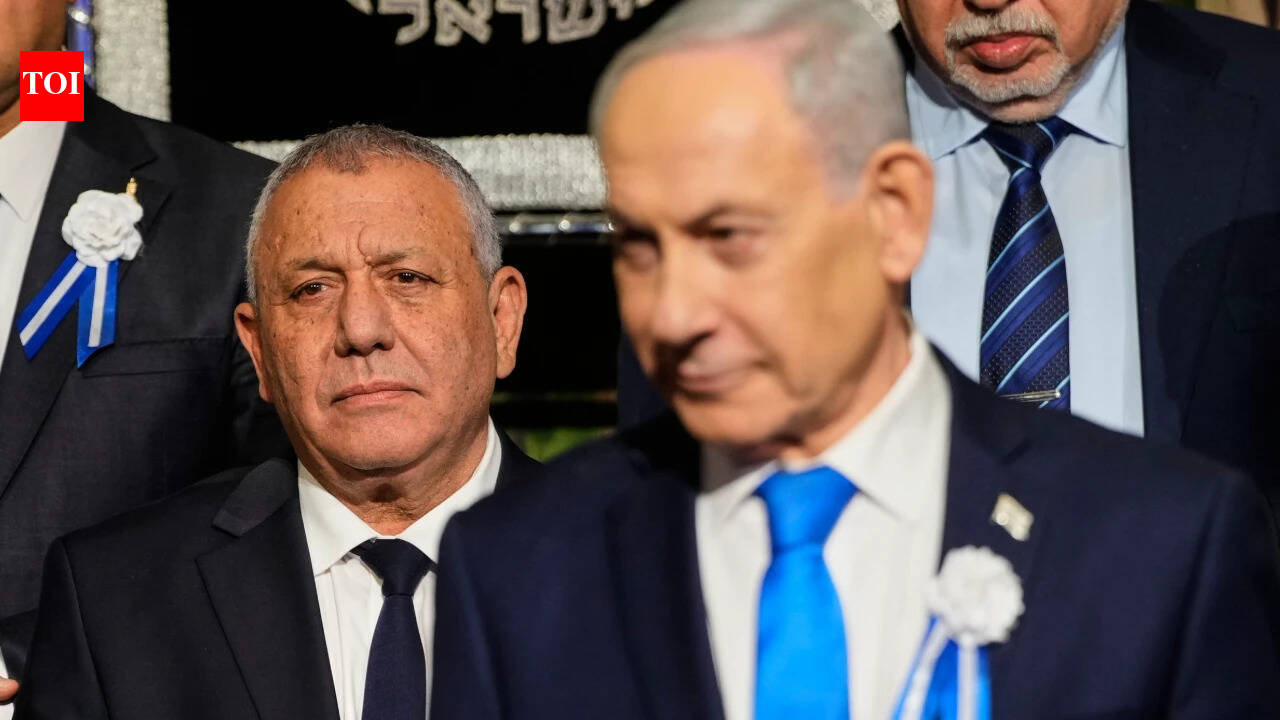
Former Israeli military chief Gadi Eisenkot has unified opposition leaders to finalize key Knesset appointments during the government formation period. The bloc has nominated Matan Kahana as their choice for Knesset speaker amidst ongoing political deadlock.
Strategic Alignment in the Knesset
The recent announcement by former military chief Gadi Eisenkot marks a significant consolidation of the opposition bloc within the Israeli political landscape. By securing an agreement with prominent leaders including Naftali Bennett, Yair Golan, Avigdor Lieberman, and Yair Lapid, Eisenkot has signaled a unified front during the critical government formation period. This coordination is essential for the opposition to maintain leverage as they navigate the complexities of the 26th Knesset.
The Nomination of Matan Kahana
A centerpiece of this agreement is the naming of former minister Matan Kahana as the opposition's candidate for Knesset speaker. The position of speaker is functionally vital, as it controls the legislative agenda and the flow of business within the parliament. By putting forward a clear candidate, the opposition aims to ensure that their interests are represented and that they can provide a robust counter-balance to the incumbent government's efforts.
Navigating the Political Deadlock
Israel’s current political atmosphere is characterized by intense volatility and stalemate, as evidenced by the ongoing deadlock surrounding government formation. The collaboration between Eisenkot and his partners represents a concerted effort to overcome this inertia. By formalizing their stance on parliamentary appointments, the opposition is attempting to present a coherent alternative to the existing administration, which continues to struggle with internal and external pressures.
Tensions with the Incumbent Administration
The political theater has been further complicated by the friction between Gadi Eisenkot and Prime Minister Benjamin Netanyahu. Eisenkot’s public rebuke of Netanyahu, whom he characterized as an "outgoing PM" and accused of leveraging political opportunities for personal gain, highlights the deep ideological and personal fractures in the Knesset. This rhetoric underscores the lack of trust between the two factions, making the prospect of a traditional "Unity" government increasingly unlikely.
Implications for Future Governance
The ability of opposition leaders to reach a consensus on key appointments suggests a shift toward more disciplined political maneuvering. As Eisenkot holds the mandate to form a government, his success or failure will hinge on his ability to keep this diverse coalition of "change and reform" parties aligned. The appointment of Matan Kahana as a focal point for the speaker position is a test of this unity, reflecting a broader strategy to challenge the status quo through institutional control.
Conclusion
In summary, the agreement orchestrated by Gadi Eisenkot represents a pivotal development in the ongoing struggle for power within the 26th Knesset. By aligning key opposition figures and nominating Matan Kahana for the speakership, the bloc is positioning itself to exert maximum influence during the government formation process. Whether this coordination can overcome the prevailing political deadlock remains to be seen, but it undoubtedly sets the stage for a contentious period of legislative maneuvering.
Multiple Citing Sources