Video: Israeli PM’s wife Sara Netanyahu clashes with ex-PM Naftali Bennett in Knesset
Source Entity
The Indian Express
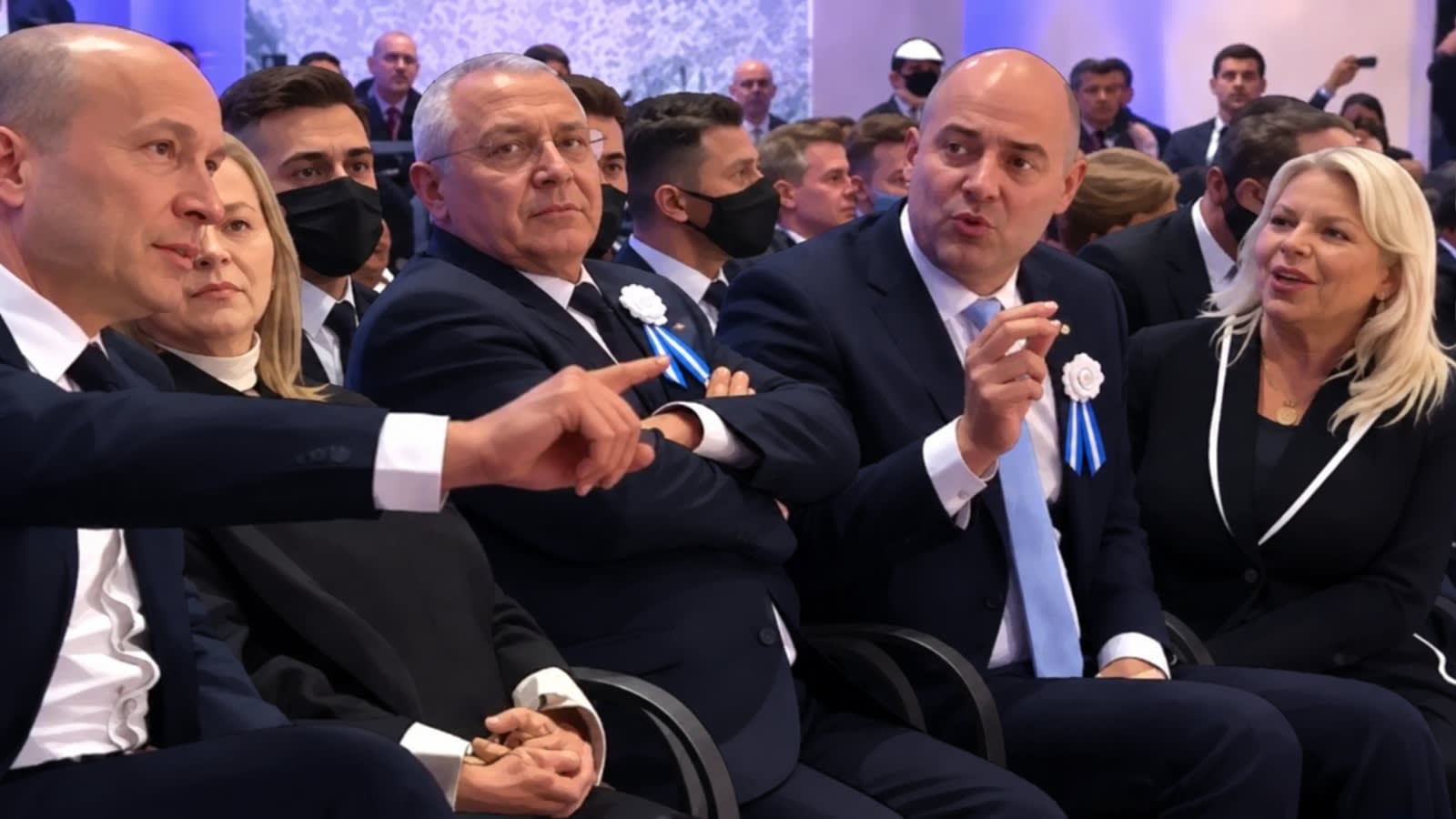
Former Israeli military chief Gadi Eisenkot has reached a consensus with opposition leaders to appoint Matan Kahana as Knesset speaker. This move consolidates the opposition's stance amidst ongoing government formation efforts and heightens tensions with Prime Minister Netanyahu.
Strategic Alignment in the Knesset
In a significant development for Israeli parliamentary politics, former military chief Gadi Eisenkot has announced a formal agreement among key opposition leaders regarding the distribution of crucial Knesset positions. By coordinating with figures such as Naftali Bennett, Yair Golan, Avigdor Lieberman, and Yair Lapid, Eisenkot is positioning the opposition as a unified front during the precarious period of government formation. The selection of Matan Kahana as the designated candidate for Knesset speaker serves as a tactical move to ensure institutional control while the broader coalition negotiations remain in flux.
The Role of the Knesset Speaker
The position of Knesset Speaker is far more than a ceremonial role; it is a powerful office that dictates the legislative agenda, controls the flow of bills, and manages the day-to-day operations of the parliament. By securing a consensus candidate like Kahana, the opposition aims to prevent the ruling coalition from fast-tracking controversial legislation. This collaborative strategy suggests that the opposition parties are prioritizing institutional stability and procedural leverage over individual party agendas, marking a departure from the fragmented political behavior often seen in the 26th Knesset.
The Dynamics of Coalition Building
The agreement highlights the ongoing deadlock in Israel’s political landscape. With President Isaac Herzog having granted the mandate for government formation, the pressure on all factions to secure their parliamentary footing has intensified. Eisenkot’s proactive announcement on X is not merely a staffing decision; it is a signal to the electorate and political rivals that the “change and reform” parties are prepared to act as a cohesive bloc. This unity is a direct response to the structural challenges inherent in the Israeli parliamentary system, where narrow majorities often struggle to maintain control.
Confrontation with the Incumbent
This political maneuvering occurs against a backdrop of increasing hostility between Eisenkot and Prime Minister Benjamin Netanyahu. When Netanyahu issued a call for “unity,” Eisenkot was swift to dismiss the overture, labeling the Prime Minister’s rhetoric as "delusional" and accusing him of utilizing the concept of unity for narrow political gain. This exchange underscores the deep-seated mistrust that currently defines the relationship between the incumbent administration and the opposition leadership.
Broader Implications and Future Trends
The refusal of opposition leaders to engage with Netanyahu’s calls for unity—and their subsequent move to finalize their own parliamentary structure—suggests a hardening of political lines. If the opposition maintains this level of coordination, it may force the Netanyahu-led government to make significant concessions to secure a stable coalition. Conversely, if the opposition fails to maintain this unity once formal negotiations progress, the resulting instability could lead to further legislative gridlock or even future elections. The appointment of Kahana serves as a litmus test for the durability of this opposition alliance, setting the stage for a contentious legislative session ahead.
Multiple Citing Sources