Eknath Shinde faction argues in Supreme Court ‘legislative majority’ still a factor to decide ‘real’ Shiv Sena
Source Entity
India Latest News: Top National Headlines Today & Breaking News | The Hindu
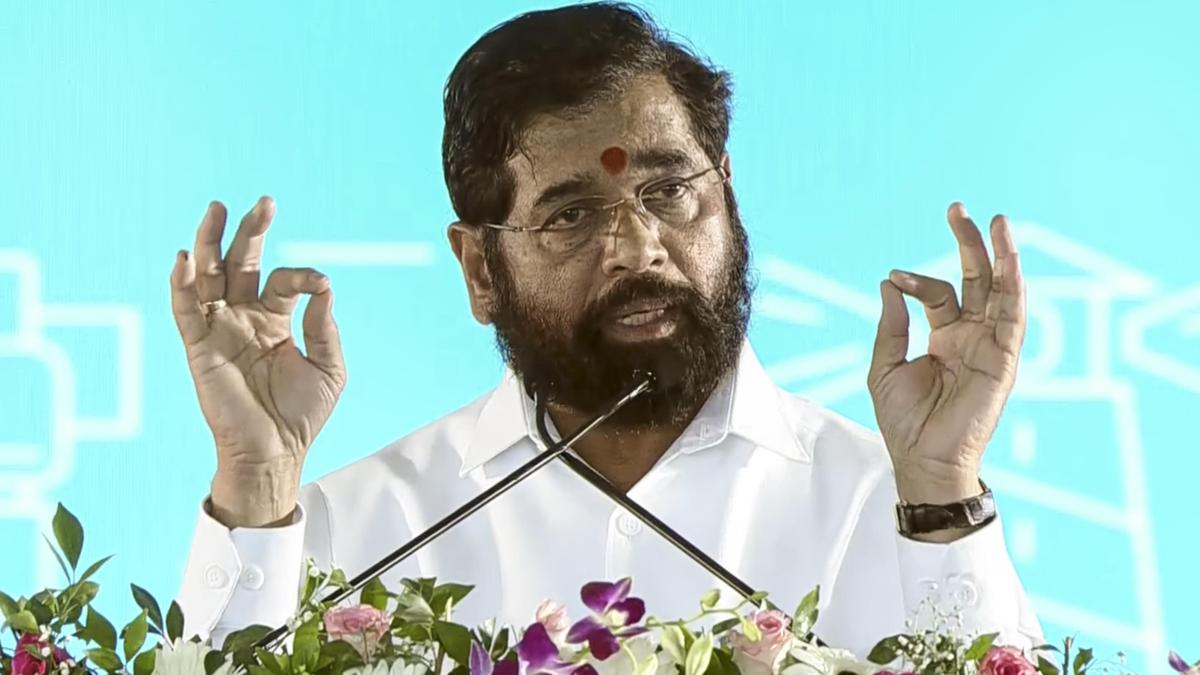
The Eknath Shinde faction is urging the Supreme Court to recognize the 'legislative majority test' as a valid metric for determining the legitimate Shiv Sena. This legal battle centers on interpreting the 2023 Subhash Desai judgment regarding party factionalism.
The Legal Battle for Shiv Sena's Identity
The political landscape of Maharashtra remains deeply fractured as the Eknath Shinde faction continues to press its case before the Supreme Court. On September 2, 2026, the faction argued before a three-judge Bench, led by Chief Justice Surya Kant, that the 'legislative majority test' remains a critical, albeit contested, mechanism for identifying the 'real' Shiv Sena. This argument seeks to reframe the criteria for party legitimacy, moving the focus from organizational hierarchy to the numbers commanded within the legislative assembly.
Interpreting the Subhash Desai Precedent
At the core of the dispute is the 2023 Constitution Bench judgment in the Subhash Desai case. Senior advocate Neeraj Kishan Kaul, representing the Shinde faction, contended that the Supreme Court did not explicitly rule out the legislative majority test in its previous findings. By asserting that the test retains its veracity, the Shinde faction is attempting to create a legal pathway that validates their leadership by pointing to the significant number of MLAs who broke away to align with their faction.
Ideological Divergence and Political Realignment
The legal arguments brought forward by Mr. Kaul also delve into the motivations behind the 2022 split. The Shinde faction maintains that their departure was not an act of mere rebellion but a response to 'disenchantment' regarding Uddhav Thackeray’s strategic decision to join the Maha Vikas Aghadi (MVA) alliance. They argue that this coalition, which included parties ideologically opposed to the core principles of the Shiv Sena, necessitated a realignment to preserve the party's original platform and grassroots identity.
Implications for Legislative Stability
The broader implications of this case extend far beyond the immediate struggle between the Shinde and Thackeray factions. If the Supreme Court were to validate the legislative majority test as a primary determinant for party ownership, it could fundamentally alter the power dynamics in Indian politics. Such a ruling might empower legislative wings at the expense of organizational structures, potentially encouraging future defections by providing a clear legal roadmap for factions to claim the mantle of the parent party based on headcount alone.
The Path Forward for Maharashtra Politics
As the three-judge Bench continues to deliberate, the outcome will likely set a significant precedent for how the anti-defection laws interact with internal party democracy. The ongoing debate highlights the friction between the need for party stability and the reality of political shifts in a coalition-heavy environment. Both factions are effectively asking the judiciary to define the boundaries of political legitimacy, a request that carries profound weight for the future of governance and party discipline in the state of Maharashtra.
Verification Required?