Can’t we invite the Vice-President for Onam just because there are Vande Mataram protocols, asks Keralam Chief Minister V.D. Satheesan
Source Entity
India Latest News: Top National Headlines Today & Breaking News | The Hindu
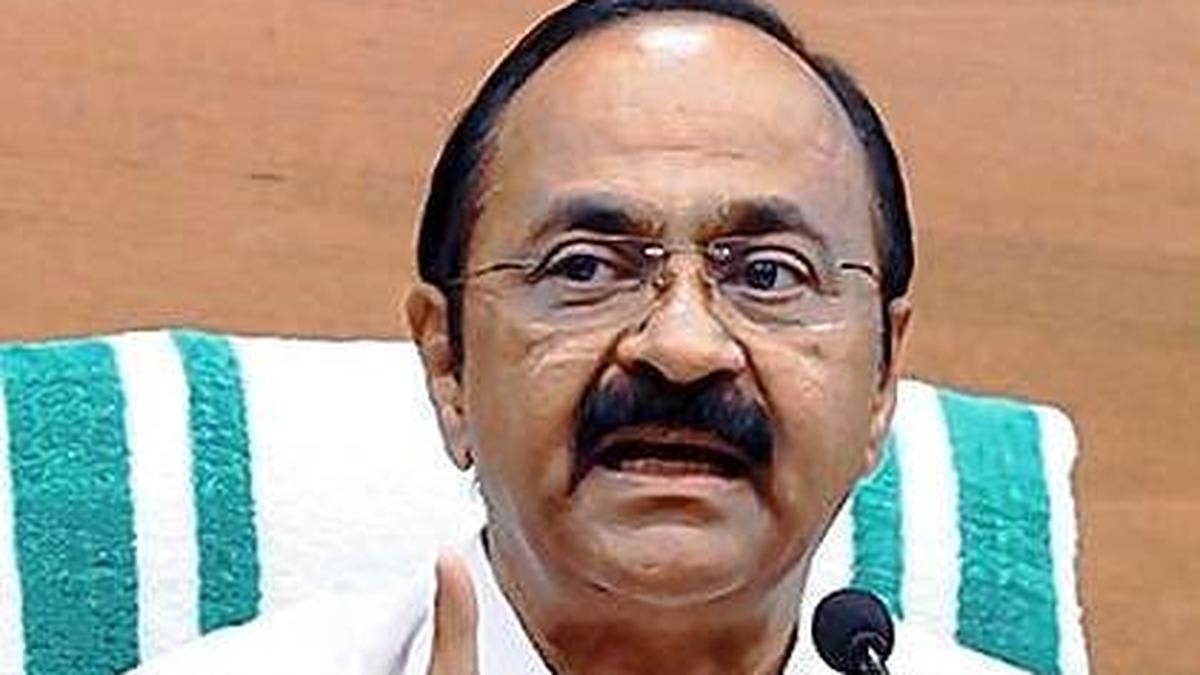
A political debate has erupted in Kerala over the mandatory singing of Vande Mataram at state events attended by high-ranking Central dignitaries. While former Minister R. Bindu alleges this signals a 'saffronisation' of higher education, Chief Minister V.D. Satheesan defends the move as strict adherence to constitutional protocol.
The Vande Mataram Protocol Dispute in Kerala
The political landscape in Kerala has become increasingly polarized following a heated exchange regarding the protocol for nationalistic anthems at public events. Former Higher Education Minister R. Bindu has publicly accused the United Democratic Front (UDF) government of facilitating the 'saffronisation' of higher education, suggesting that the administration is yielding to the ideological influence of the Sangh Parivar within state universities.
Allegations of Ideological Compromise
Ms. Bindu’s critique centers on the perception that the current government is failing to resist external pressures on academic autonomy. By highlighting the comments made by Higher Education Minister Roji M. John—who expressed a desire to avoid a collision course with the Governor, acting in his capacity as Chancellor—Bindu argues that the government is essentially enabling an agenda that seeks to reshape the cultural and political fabric of higher education institutions. Her address at the Sanskrit University Samrakshana Samithi meeting reflects growing anxieties among certain political factions regarding the influence of the Central government on state-run academic bodies.
The Government’s Stance on Constitutional Protocol
In response to these allegations, Chief Minister V.D. Satheesan has adopted a pragmatic approach, emphasizing the legal obligations of the state. He clarified that the decision to include the full rendition of Vande Mataram at events attended by the President, Vice-President, or the Prime Minister is not a matter of political alignment, but rather an adherence to established Central protocol. The Chief Minister dismissed the controversy as a misinterpretation of state policy, noting that the government maintains its own ideological stance, as demonstrated by the limited two-stanza rendition during Independence Day celebrations.
Balancing State Autonomy and Federal Protocol
This incident underscores the complex tension between federal requirements and state-level governance in India. The Chief Minister’s defense highlights the logistical and diplomatic necessity of following national protocols when hosting high-ranking dignitaries. By framing the issue as a question of protocol rather than policy, Satheesan attempts to insulate the administration from accusations of ideological capitulation while maintaining the decorum required for national-level events.
Broader Implications and Future Trends
The debate over the rendition of Vande Mataram is symptomatic of a larger discourse regarding the role of national symbols in regional politics. As the boundaries between administrative compliance and ideological influence continue to blur, such controversies are likely to persist, particularly in states where the political ideology of the ruling coalition differs from that of the Central government. The future of this discourse will likely depend on how effectively the state can balance its constitutional duties toward the Centre while preserving its unique regional identity and educational autonomy.
Verification Required?