Operation ‘Rotten Apple’: US arrests over 2,100 illegal immigrants across New York
Source Entity
ARYAN SINGH
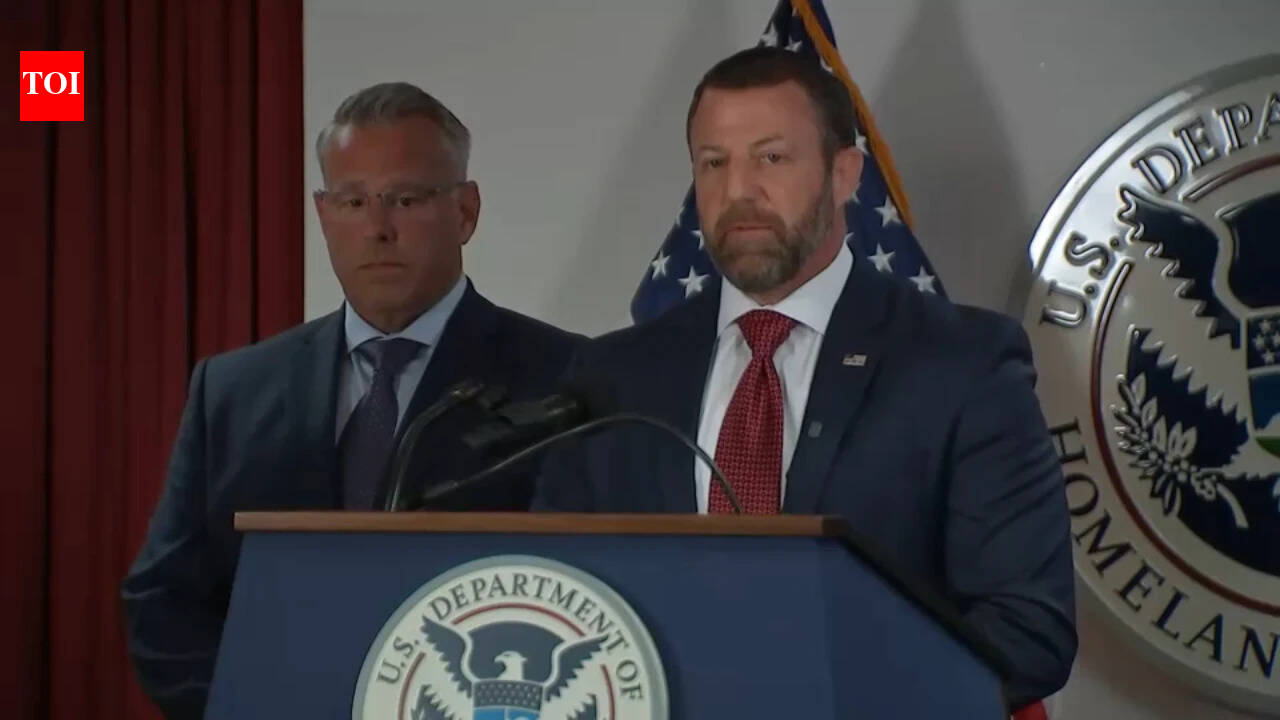
U.S. Immigration and Customs Enforcement (ICE) arrested 2,197 undocumented individuals in New York during 'Operation Rotten Apple.' DHS Secretary Markwayne Mullin cited the operation as a critical public safety measure while criticizing local officials for lack of cooperation.
Operation 'Rotten Apple': Assessing the Impact of ICE’s New York Sweep
Overview of the Enforcement Action
Between July 27 and August 29, U.S. Immigration and Customs Enforcement (ICE) executed a large-scale enforcement initiative dubbed 'Operation Rotten Apple.' This month-long operation resulted in the detention of 2,197 undocumented individuals across New York state. By targeting a specific demographic of individuals with documented criminal histories—including charges related to murder, rape, kidnapping, drug trafficking, and assault—federal authorities aimed to address what they describe as a growing public safety concern within the region.
The Federal-Local Friction Point
At the heart of this operation is a deepening ideological and operational rift between federal immigration authorities and local New York leadership. Homeland Security Secretary Markwayne Mullin has explicitly utilized the success of this operation to highlight a perceived failure of state and city officials to cooperate with federal immigration mandates. This criticism touches on the long-standing debate regarding 'sanctuary' policies, where local jurisdictions limit their assistance to federal immigration enforcement, often citing the need to foster trust between immigrant communities and local law enforcement.
Public Safety and Criminality
Secretary Mullin’s rhetoric emphasizes that the primary catalyst for 'Operation Rotten Apple' was the presence of individuals with serious criminal records. By cataloging the specific types of crimes—ranging from pedophilia to violent assault—the Department of Homeland Security (DHS) is framing this enforcement as a necessary intervention to protect the public. The scale of the arrests suggests a highly coordinated effort to bypass local administrative hurdles and prioritize the removal of high-risk individuals from the state.
Broader Political Implications
The fallout from this operation is likely to exacerbate existing political tensions regarding immigration policy in the United States. As federal authorities assert their mandate to secure the interior, local officials in New York are forced to defend their stance on non-cooperation. This dynamic creates a challenging environment for governance, where the enforcement of federal law directly conflicts with the localized administrative priorities and legal frameworks established by state and municipal leaders.
Future Trends in Immigration Enforcement
Looking ahead, 'Operation Rotten Apple' serves as a potential blueprint for future federal interventions in states where local cooperation is deemed insufficient. If the DHS continues to view local 'non-cooperation' as a threat to national or state safety, we may see an increase in similar, high-intensity operations. This trend suggests a move toward more aggressive, independent federal enforcement strategies that rely less on local partnerships and more on centralized intelligence and mobilization.
Conclusion
The success of 'Operation Rotten Apple' in detaining over 2,000 individuals underscores a pivotal moment in the ongoing conflict between federal and local immigration enforcement. By framing the operation as a vital safety measure, the Department of Homeland Security has signaled a hardline approach that prioritizes the apprehension of criminal offenders over the preservation of local administrative autonomy. The long-term impact of this operation will likely be defined by how state and federal entities navigate their conflicting responsibilities in the coming months.