The Island Paradise That Is a Secret Hub for Russian Sanctions Evasion
Source Entity
Latest News: Todays Latest News Headlines from India & World | Hindustan Times | Hindustan Times
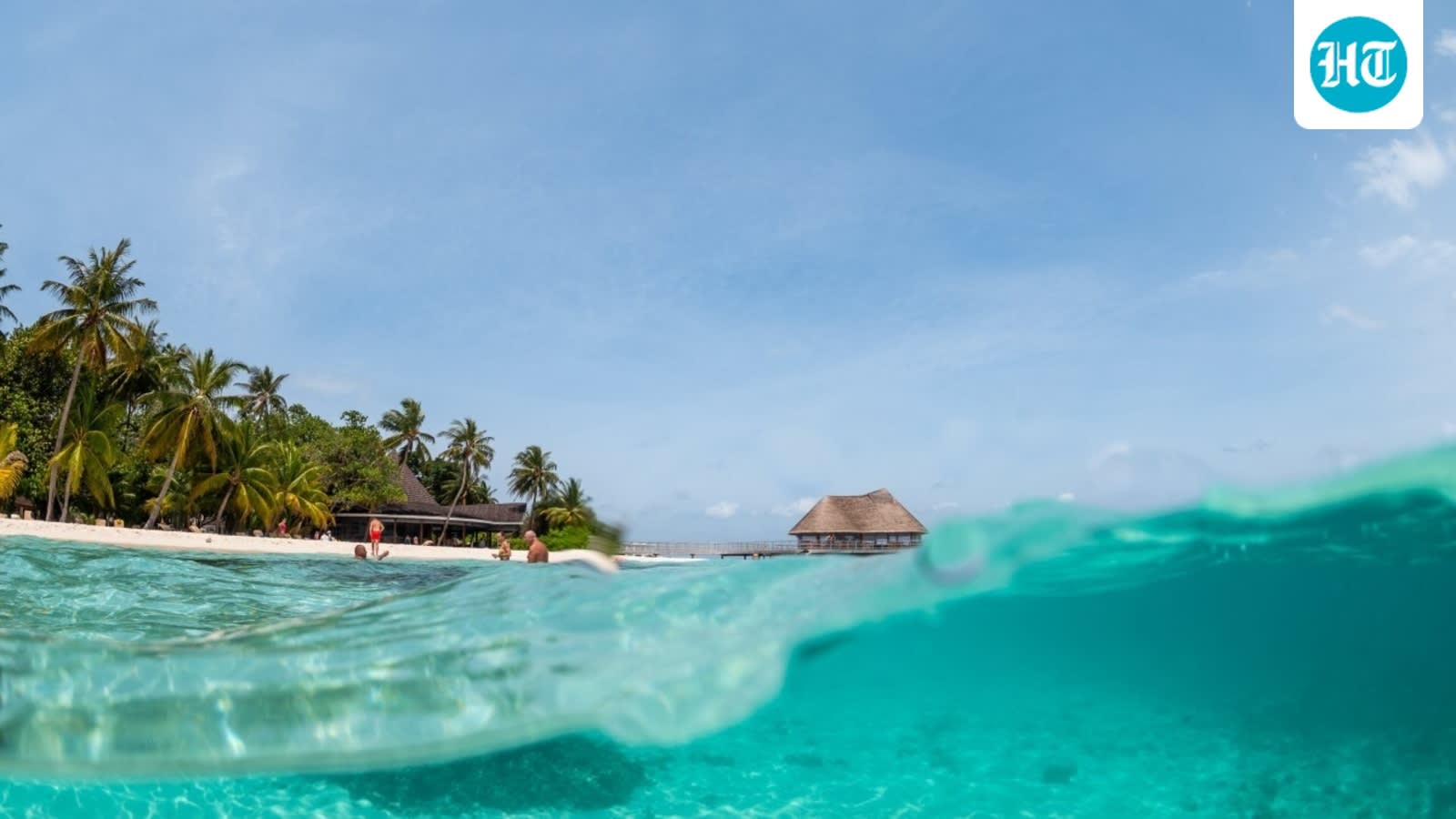
The Maldives has emerged as a significant transit hub for restricted Western goods destined for Russia, bypassing international sanctions. Investigations reveal that high-value electronics and aircraft parts are being funneled through the island nation's airport facilities.
The Maldives: An Unlikely Conduit for Sanctions Evasion
The idyllic reputation of the Maldives, long celebrated for its luxury tourism and pristine landscapes, is currently being overshadowed by its transformation into a critical node for illicit global trade. Reports indicate that the archipelago has become a primary pipeline for hundreds of millions of dollars in Western goods, specifically those restricted under international sanctions, to reach Moscow. This shift marks a significant departure from the nation's traditional role in the global economy, raising alarms among Western regulators.
The Mechanics of the Pipeline
At the center of this operation is the country’s international airport, which serves as the primary clearinghouse for these restricted shipments. Investigations have revealed that a complex web of companies is utilizing this infrastructure to facilitate the transfer of sensitive goods. While the Maldives is thousands of miles from the conflict zone, its logistical hubs are being exploited to sanitize the origin of high-value components before they are forwarded to Russia, effectively obscuring the audit trail intended by Western trade restrictions.
Dual-Use Technology and Strategic Risks
The nature of the goods passing through these channels is particularly concerning to global security experts. The cargo manifests frequently include aircraft parts and high-end electronic components—items classified as 'dual-use' because they can serve both civilian and military functions. By securing these components, the Russian defense industry can potentially maintain its fleets and sustain military technological capabilities despite the comprehensive sanctions regimes imposed by the United States, the European Union, and their allies.
Geopolitical Implications and Regulatory Pressure
This development places the Maldives in a precarious geopolitical position. As a small island nation heavily reliant on international tourism and foreign investment, the discovery of its role in sanctions evasion invites intense scrutiny from Western intelligence and trade authorities. The pressure is mounting for local officials to tighten customs oversight and investigate the companies operating within their borders to ensure that the nation is not used as a tool to undermine global security efforts.
Future Trends in Sanctions Compliance
Looking forward, the case of the Maldives highlights a broader trend in how sanctioned states adapt to global isolation. As major financial hubs and traditional trade routes become more restricted, entities seeking to evade sanctions are increasingly pivoting toward smaller, less-scrutinized jurisdictions that serve as neutral transit points. This systemic shift suggests that future enforcement efforts must move beyond major global ports to include a broader range of regional logistical hubs that were previously viewed as peripheral to the conflict.
Conclusion
The situation in the Maldives serves as a stark reminder that sanctions are only as effective as the integrity of the global supply chain. The redirection of restricted Western goods through this South Asian archipelago underscores the extreme lengths to which sanctioned entities will go to maintain their operational capacity. Moving forward, increased transparency and international cooperation will be essential to close these loopholes and maintain the efficacy of global economic policy.
Verification Required?