U.S. completes fresh strikes on Iran as Mideast tensions flare again
Source Entity
US Top News and Analysis
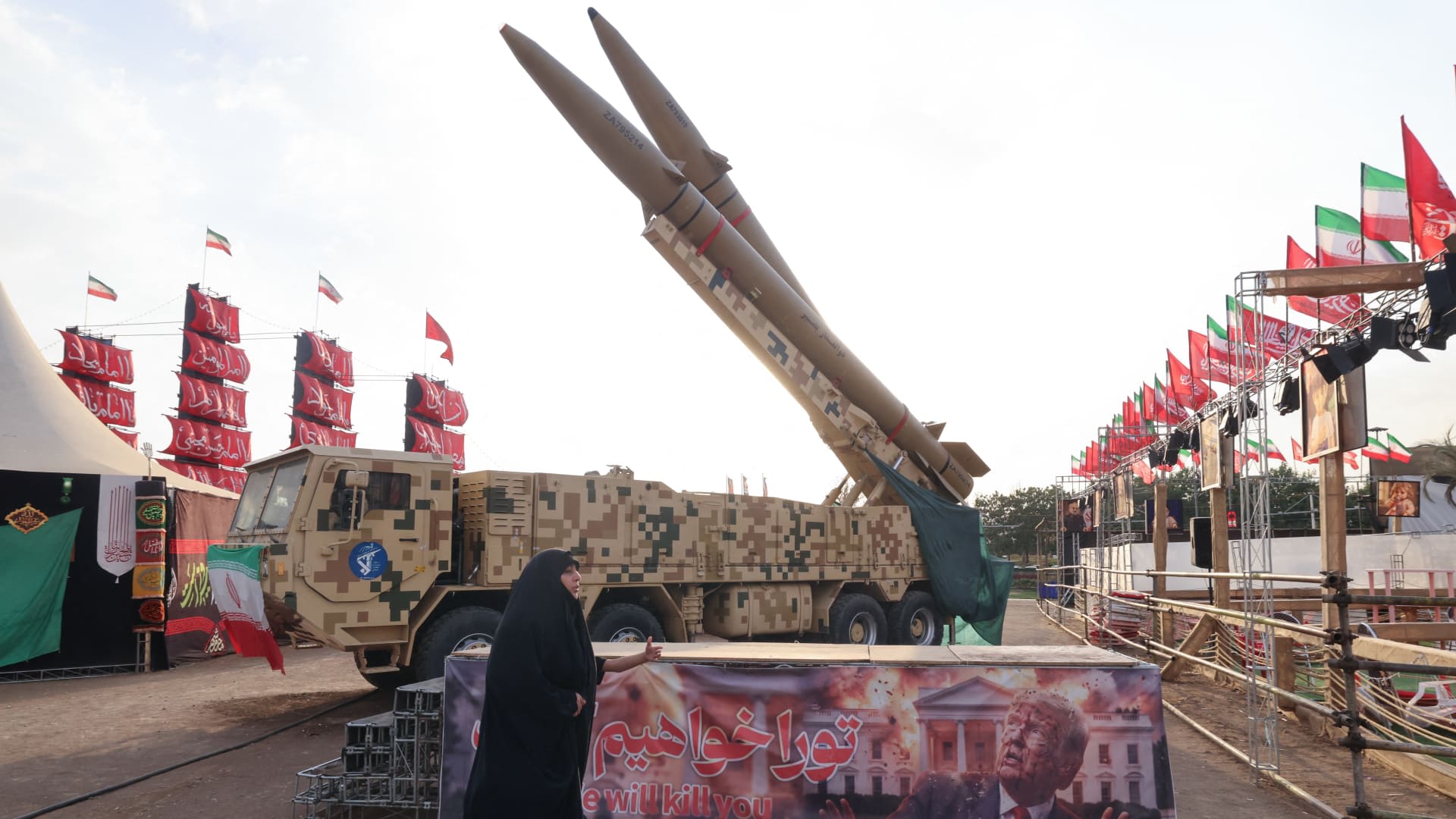
The U.S. military has launched targeted strikes against Islamic Revolutionary Guard Corps (IRGC) facilities in Iran. These operations follow recent attempted attacks on commercial shipping in the Strait of Hormuz and threats against U.S. personnel.
Escalation in the Strait of Hormuz: U.S. Military Strikes IRGC Targets
A Renewed Military Engagement
On Tuesday, the United States Central Command (CENTCOM) confirmed the initiation of military strikes against Islamic Revolutionary Guard Corps (IRGC) targets located within Iran. Commencing at 12 p.m. ET (1600 GMT), these operations mark a significant shift in the regional security landscape, ending a period of relative calm that had lasted for several weeks. The strikes serve as a direct response to recent provocations, specifically attempted attacks against commercial vessels navigating the vital Strait of Hormuz and threats directed toward American service members deployed in the region.
The Strategic Importance of the Strait of Hormuz
The Strait of Hormuz remains one of the world's most critical maritime chokepoints, serving as a primary artery for global energy supplies. The recent attempted attacks on oil tankers highlight the fragility of this route and the ongoing efforts by Iranian forces to exert pressure on international maritime traffic. By targeting IRGC assets, the U.S. military aims to disrupt the capabilities—specifically radar and missile infrastructure—that allow Iran to project power into this vital corridor.
Tactical Objectives and Deterrence
Reports indicate that the U.S. administration had been weighing specific plans proposed by CENTCOM to degrade Iranian capabilities. The current strikes appear to be the execution of these strategic plans, designed to be limited and precise. The primary goal is to prevent the IRGC from rebuilding or utilizing the technical infrastructure necessary to threaten commercial shipping and U.S. forces. This calibrated approach suggests an intent to enforce deterrence without necessarily escalating into a broader, sustained conflict.
Contextualizing the Hostilities
These developments follow a period of heightened friction between Washington and Tehran. The recent history of the region is marked by a cycle of provocation and response. After a month characterized by a lack of direct military engagement, the latest hostilities indicate that the threshold for U.S. military action has been crossed. The mention of prior "limited, precise action" against rocket-related targets underscores the persistent nature of the threat environment U.S. forces face in the Middle East.
Future Implications and Regional Stability
The long-term impact of these strikes remains to be seen, as the scope of the Tuesday operation is still being evaluated. The conflict reflects a broader struggle over regional influence and the security of global trade routes. As the U.S. attempts to maintain the freedom of navigation in the Strait of Hormuz, the response from the IRGC will likely dictate the intensity of future interactions. Observers should monitor the situation for potential retaliatory measures and the extent to which diplomatic channels remain open during this period of kinetic military activity.
Multiple Citing Sources