163 Indians rescued in Nepal: MEA after flash floods
Source Entity
The Indian Express
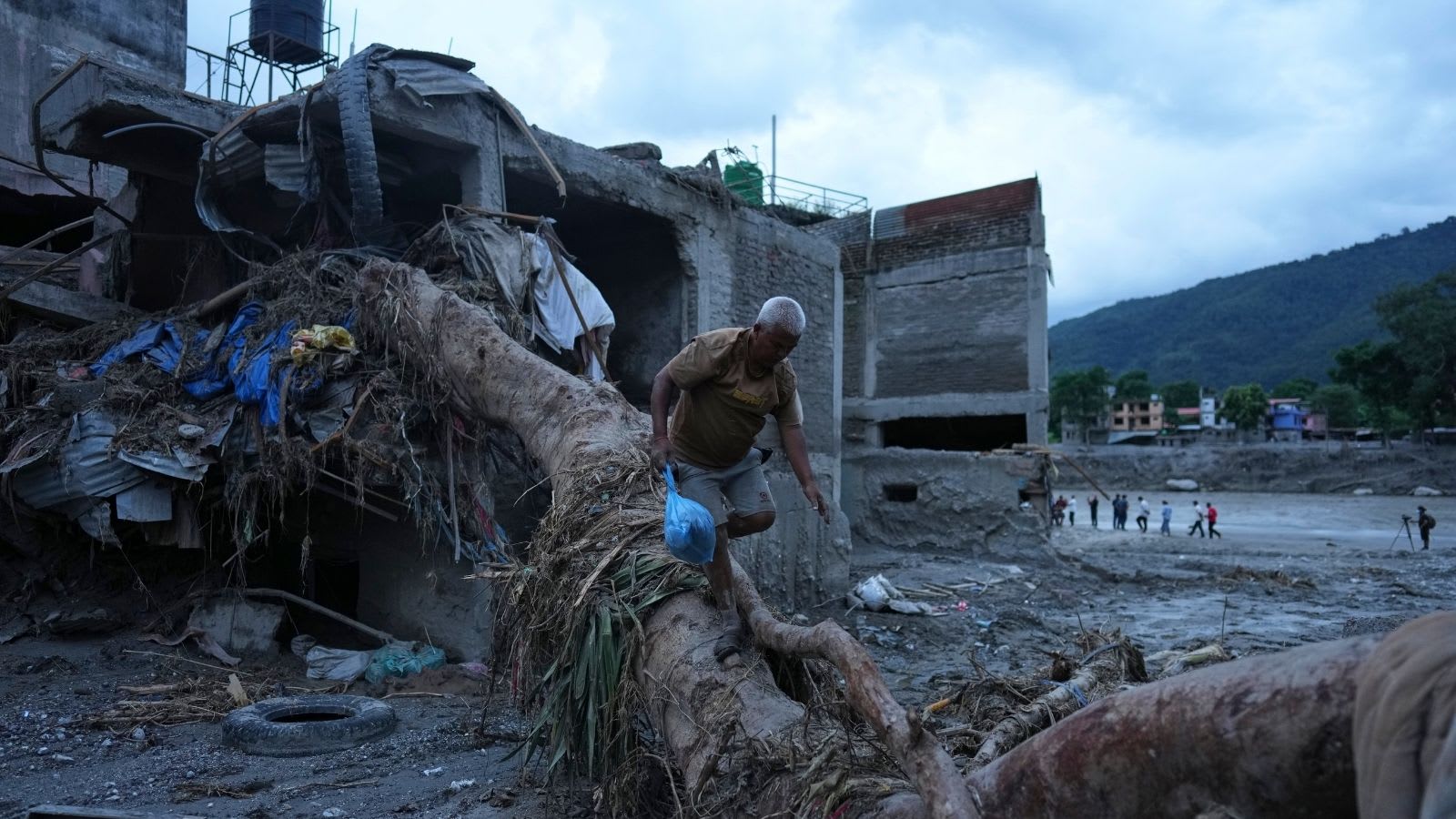
India has rescued 163 of its nationals following catastrophic flash floods in Nepal that have claimed over 1,000 lives. Joint rescue operations are currently underway, focusing on trapped hydropower workers in tunnels.
The Humanitarian Crisis in Nepal: A Comprehensive Overview
Nepal is currently grappling with a catastrophic humanitarian crisis following a series of devastating flash floods that have claimed at least 1,003 lives and left nearly 4,000 people missing. The scale of the destruction is immense, with critical infrastructure, such as the Shree Bagheswori Madhyamik School in the Dhading district, suffering severe damage. As families sift through the remnants of their lives in flood-damaged classrooms, the international community, led by India, has mobilized to support the Himalayan nation in its hour of need.
India’s Coordinated Relief Efforts
The Ministry of External Affairs (MEA) has confirmed that 163 Indian nationals have been successfully rescued as part of ongoing relief operations. MEA spokesperson Randhir Jaiswal has emphasized the coordination between Indian and Nepalese authorities, highlighting that the rescue efforts are multi-dimensional. Beyond general rescue, India has deployed a 19-member specialized forensics team to Kathmandu to assist with the identification of victims, a task made necessary by the overwhelming number of casualties.
The Hydropower Tunnel Crisis
One of the most pressing concerns in this disaster is the fate of workers trapped within hydropower infrastructure. Reports indicate that approximately 900 hydropower workers are missing across 12 different projects, with at least 500 believed to be trapped inside tunnels. This presents a complex rescue challenge that requires specialized expertise. In response, a specialized Indian tunnel rescue team has partnered with the Nepali Army to conduct joint operations at critical sites in Chilime, Rasuwa.
Implications for Regional Infrastructure
The reliance on hydropower in the rugged terrain of Nepal creates significant vulnerabilities during extreme weather events. The trapping of hundreds of workers in 12 separate projects underscores the high-risk nature of these infrastructure developments in flood-prone regions. As the search continues, the focus remains on stabilization and extraction, with both nations pooling resources to address the structural dangers presented by debris-filled tunnels.
Future Trends and Disaster Resilience
This tragedy highlights the urgent need for enhanced disaster management protocols in the Himalayan region. With 583 foreign nationals among the missing, the event has become a significant international concern. As climate-related flash floods become more frequent and severe, the cooperation between India and Nepal serves as a potential blueprint for regional disaster response. Future trends will likely necessitate a shift toward more resilient infrastructure design and the establishment of permanent, cross-border rapid response teams capable of navigating the unique geological challenges of the Himalayas.
Conclusion
The situation remains fluid as authorities in Kathmandu continue the grim task of managing mass casualties, including the burial of victims in trenches. The joint efforts of the Indian and Nepali teams represent a critical lifeline in an environment defined by uncertainty. As the search for those trapped in tunnels persists, the success of these operations will remain a primary metric for assessing the stability and recovery prospects of the affected regions.
Multiple Citing Sources