The election umpire’s independence begins with its appointment
Source Entity
Faizan Mustafa
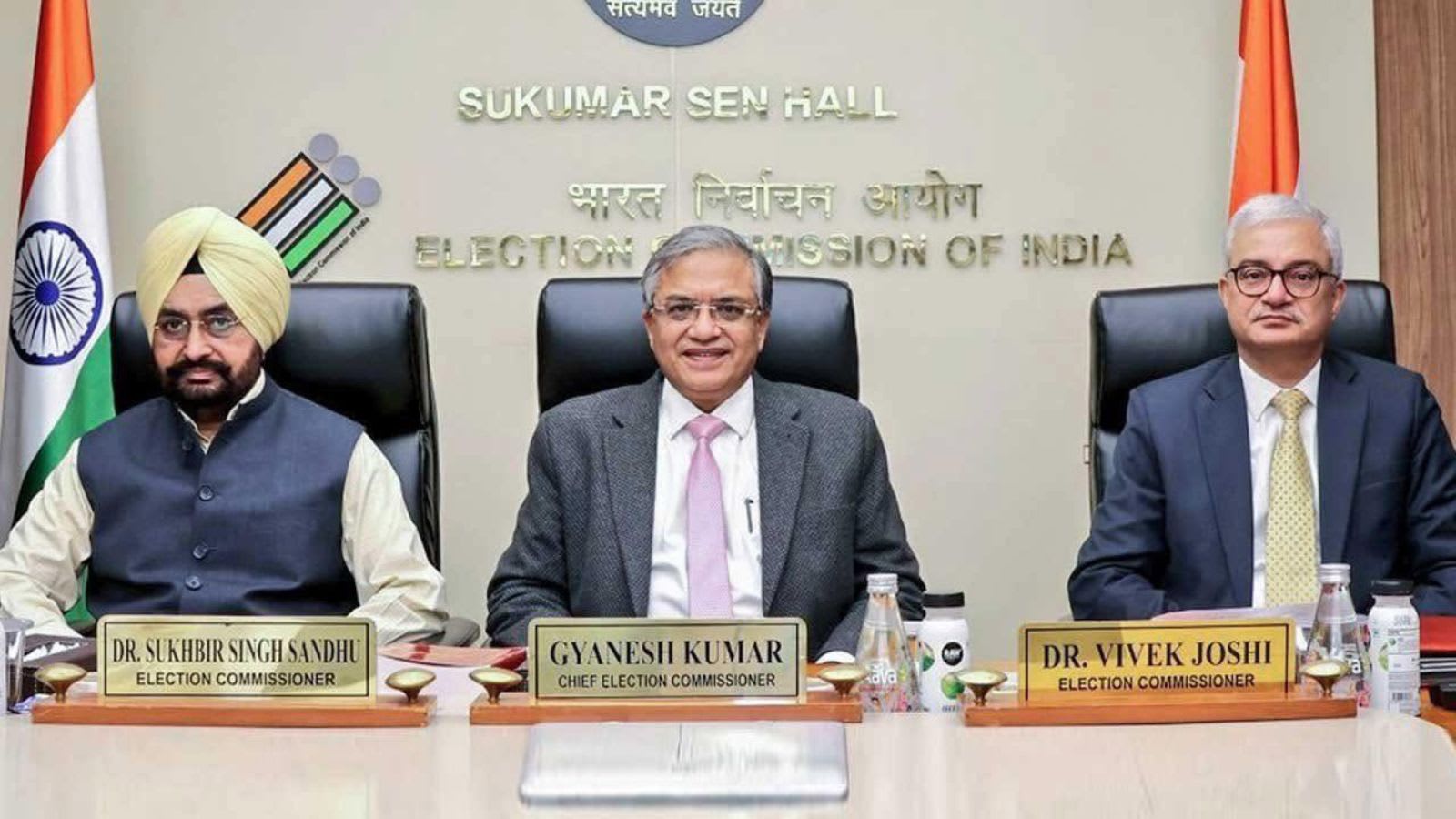
The independence of India's Election Commission is rooted in constitutional design, yet historical gaps in legislation have long challenged its neutrality. Recent judicial interventions, specifically the Anoop Baranwal case, seek to reinforce institutional checks against executive overreach.
The Constitutional Mandate for Election Neutrality
The integrity of the Election Commission of India (ECI) is not merely a procedural preference but a foundational constitutional necessity. As articulated in the landmark Mohinder Singh Gill (1978) case, the judiciary has long emphasized that neutrality is the core reason for the Commission's existence. Justice Krishna Iyer’s invocation of Lord Camden serves as a timeless warning: the exercise of wide discretion by high-ranking officials carries an inherent risk of tyranny when institutional checks and clear legal norms are absent. This historical perspective underscores that the ECI is not intended to be an extension of the executive branch, but a robust safeguard for democratic legitimacy.
Historical Tensions and Legislative Omissions
The skepticism surrounding the ECI’s autonomy dates back to the very drafting of the Indian Constitution. During the Constituent Assembly debates, members like Shibban Lal Saksena expressed profound apprehension regarding the potential for an Election Commissioner to be compromised by executive influence. To mitigate these fears, B.R. Ambedkar introduced Article 324(2), which explicitly made appointments to the ECI subject to any law enacted by Parliament. However, for over seven decades, this legislative mandate remained unfulfilled, leaving a vacuum that allowed the executive to maintain significant control over the appointment process.
The Role of Judicial Intervention
This long-standing legislative silence necessitated judicial intervention, culminating in the Supreme Court’s ruling in the Anoop Baranwal (2023) case. By prescribing a specific mechanism for appointments, the Constitution Bench sought to rectify the historical failure of Parliament to define the selection criteria. This intervention highlights the judiciary’s role as a corrective force when the legislative branch fails to establish the necessary institutional safeguards that were envisioned by the framers of the Constitution.
Challenges to Institutional Independence
The absence of a dedicated law for so many years created a vulnerability that critics have long highlighted. The reliance on executive discretion, rather than a codified parliamentary process, has historically fueled debates regarding the impartiality of election oversight. The transition from an executive-led appointment model toward a more structured, legally mandated process is essential to ensuring that the ECI remains insulated from political pressures and maintains its status as an impartial umpire.
Broader Implications for Democracy
The ongoing discourse surrounding the ECI’s independence is inextricably linked to the health of Indian democracy. When the body responsible for conducting elections is perceived as being under the 'thumb of the executive,' the public's faith in the electoral process—and by extension, the government—is diminished. Establishing a permanent, transparent legal framework for appointments is a critical step toward ensuring that the ECI operates as a truly independent pillar of the state, free from the 'tyrannical potential' warned of by early constitutional scholars.
Conclusion: A Path Toward Accountability
Ultimately, the evolution of ECI appointment norms reflects the maturation of India’s constitutional democracy. Moving forward, the focus must remain on institutionalizing these judicial directions into robust, long-term legislation. Only by codifying the appointment process can the nation ensure that the 'umpire' of its elections remains beyond reproach, preserving the democratic rights of its citizens against the encroachment of partisan influence.