Poll Body Rejects Rigging Claims In 2024 Haryana, Maharashtra Elections
Source Entity
NDTV News Search Records Found 1000
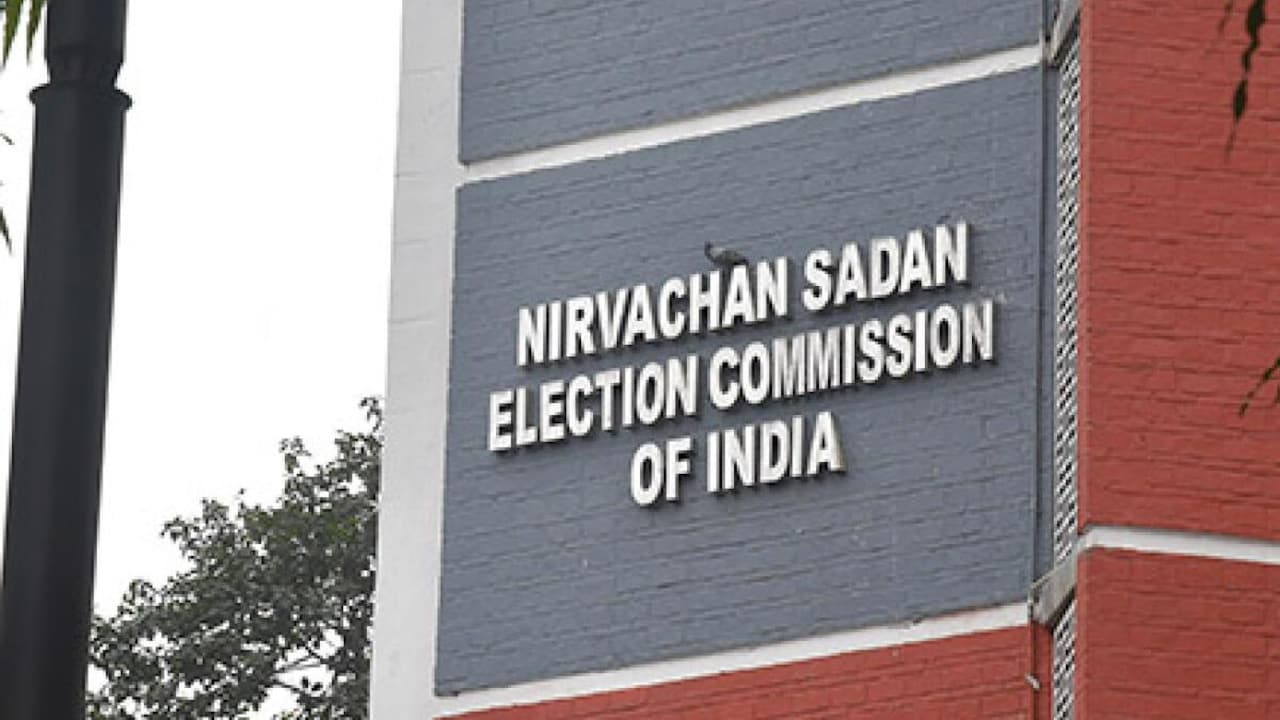
The election commission has officially dismissed allegations of rigging in the 2024 Haryana and Maharashtra elections. Officials emphasized that all primary documentation, specifically Form 17C, confirms the integrity of the polling process.
Integrity of the 2024 Electoral Process
The recent rejection of rigging claims regarding the 2024 Haryana and Maharashtra elections by election authorities marks a significant moment in the discourse surrounding democratic transparency. By addressing these allegations head-on, the commission has sought to reinforce public trust in the institutional mechanisms that govern the world's largest democratic exercises. The controversy, which emerged following the declaration of results, highlights the persistent tension between political competition and the public’s requirement for absolute electoral certainty.
The Role of Form 17C in Electoral Accountability
At the heart of the commission's defense is the reliance on Form 17C, a critical document in the electoral process. Form 17C, or the 'Account of Votes Recorded,' serves as the primary record of the exact number of votes cast at a specific polling station. By citing this document, the commission is pointing to the most granular level of data available to verify that the numbers tallied at the counting centers match the physical ballots cast by voters on election day. This procedural reliance is a cornerstone of the legal framework designed to prevent discrepancies between real-time casting and the final declared outcome.
Contextualizing Political Skepticism
Allegations of rigging are not uncommon in high-stakes regional elections, where the political margins can be razor-thin. In the context of the 2024 elections in Haryana and Maharashtra, the skepticism voiced by various political stakeholders reflects a broader trend of increased scrutiny on digital and physical ballot management. When political parties raise these concerns, they essentially challenge the efficiency of the administrative machinery. The commission’s swift response serves as a corrective measure, aiming to prevent the spread of misinformation that could undermine the legitimacy of the incoming legislative bodies.
Institutional Trust and Transparency
Beyond the specific data points, the commission’s stance underscores a commitment to administrative transparency. By reiterating that primary records are available for audit, the commission is signaling that the electoral process is not a 'black box.' In any democracy, the ability of citizens and parties to question the result is a vital right, but the ability of the institution to provide evidence-based rebuttals is equally vital for maintaining social stability and political continuity.
Future Trends in Electoral Oversight
Looking forward, the push for greater transparency will likely necessitate the adoption of more robust, real-time digital verification methods to complement paper-based records like Form 17C. As voters become more tech-savvy, the demand for accessible, verifiable data will grow. The commission’s adherence to standard protocols in 2024 suggests that while technology may evolve, the fundamental reliance on established, legally mandated documentation remains the bedrock of electoral integrity. Future elections will likely see even greater emphasis on the proactive publication of such forms to mitigate disputes before they escalate into public distrust.
Verification Required?