'Scheduling Factors': Poll Body As Gyanesh Kumar's UP Event Postponed
Source Entity
NDTV News Search Records Found 1000
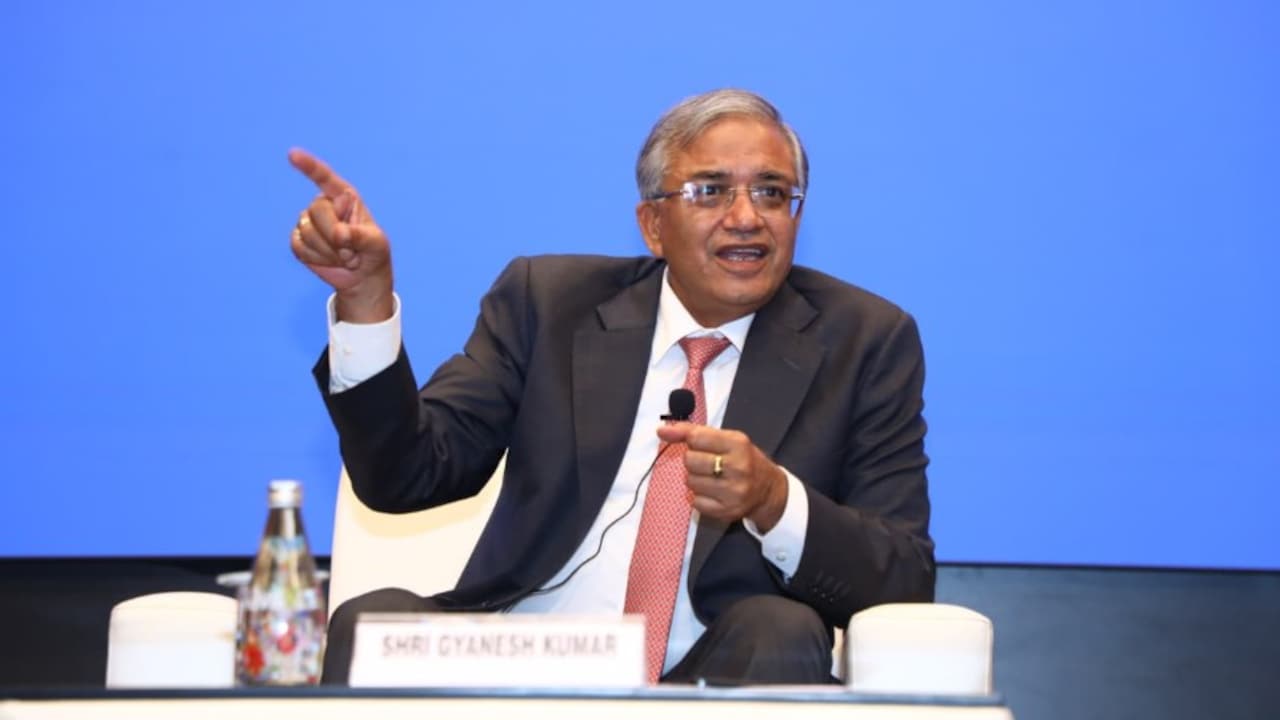
Union Minister Chirag Paswan has urged the Election Commission to address public doubts regarding its neutrality amid controversy over a rescheduled event involving Gyanesh Kumar. The poll body has attributed the change to logistical factors, while calls for transparency grow.
The Growing Scrutiny of India's Election Commission
Recent political discourse in India has shifted focus toward the Election Commission (EC) of India, specifically concerning the transparency and administrative decisions of Chief Election Commissioner Gyanesh Kumar. The controversy was ignited following the postponement of an event in Uttar Pradesh, a move that the poll body officially attributed to routine "logistical and administrative factors." However, such explanations have failed to quell the rising tide of skepticism among various political stakeholders.
The Ministerial Call for Accountability
Union Cabinet Minister Chirag Paswan has emerged as a key voice in this discourse, explicitly urging the Election Commission to take proactive steps to maintain public trust. Paswan’s stance is nuanced; while he dismisses the noise generated by the Opposition as potentially politically motivated, he maintains that the onus of credibility lies solely with the EC. By stating that "the Election Commission must maintain the trust of the people," Paswan highlights the constitutional imperative of an institution that serves as the bedrock of Indian democracy.
The Limits of Political Defense
In his commentary, Minister Paswan clarified a critical constitutional boundary: political parties and government officials are not the appropriate entities to defend the internal workings of an independent body. Paswan emphasized that he lacks the access to the internal deliberations, agreements, or disagreements that drive EC decisions. Consequently, he argued that it is the Chief Election Commissioner's duty to clear the air. When fingers are raised against the integrity of the institution, it is, in his view, the EC's primary responsibility to defend its own actions.
Logistical Explanations vs. Public Perception
While the Election Commission maintains that adjustments in schedules are an "ongoing process" and a standard feature of their administrative duties, the public and political reaction suggests a gap between institutional logic and public perception. In a democracy, the appearance of neutrality is as vital as the reality of it. When administrative delays are viewed through a lens of suspicion, the institution faces a crisis of confidence that transcends simple logistical justifications.
Broader Implications for Democratic Integrity
This incident underscores the fragility of trust in independent constitutional bodies. As the Election Commission manages the complexities of one of the world's largest democratic processes, the demand for transparency becomes an essential tool for preventing the erosion of democratic norms. The call for the Chief Election Commissioner to address these doubts directly is a reflection of the high stakes involved in ensuring that not a single "iota percent of suspicion" remains regarding the commission's impartiality.
Conclusion: The Path Forward
The ongoing debate serves as a reminder that the Election Commission must operate not only with technical efficiency but also with a commitment to clear communication. As stakeholders like Chirag Paswan emphasize the necessity of self-defense for the EC, the institution faces the challenge of balancing administrative flexibility with the public's right to clarity. Moving forward, the commission's ability to navigate these perceptions will be crucial to maintaining its standing as a trusted arbiter of the electoral process.
Multiple Citing Sources
Verification Required?