Wishy-washy statement, Election Commission in damage-control mode, says Congress
Source Entity
The Indian Express
The Election Commission of India is facing mounting pressure as political parties raise concerns over electoral processes and the conduct of Chief Election Commissioner Gyanesh Kumar. While the EC cites logistical factors for scheduling adjustments, opposition and cabinet members are demanding greater transparency and accountability.
Scrutiny Over the Election Commission: A Constitutional Dilemma
Recent developments concerning the Election Commission of India (ECI) have placed Chief Election Commissioner (CEC) Gyanesh Kumar at the center of a brewing political storm. The core of the controversy involves allegations of 'electoral irregularities' and concerns regarding the transparency of the Special Intensive Revision (SIR) of electoral rolls. As the ECI navigates these challenges, the tension between administrative necessity and democratic accountability has become increasingly visible.
The Administrative Defense
Regarding the postponement of scheduled events involving the CEC, the poll body has maintained that such adjustments are a standard part of their operational workflow. According to official statements, these shifts are necessitated by various 'logistical and administrative factors.' While the ECI frames these as routine procedural updates, they have inadvertently become flashpoints for criticism in an atmosphere where every operational change is viewed through a political lens.
Political Pressure and Institutional Autonomy
Union Cabinet Minister Chirag Paswan has publicly urged the CEC to address the growing doubts surrounding the commission's operations. Paswan’s stance highlights a critical constitutional nuance: that an independent body like the ECI must proactively defend its own integrity. He emphasized that political parties lack the access to internal ECI deliberations required to offer such a defense, noting that silence from the commission only fuels suspicion.
The Opposition’s Demand for Accountability
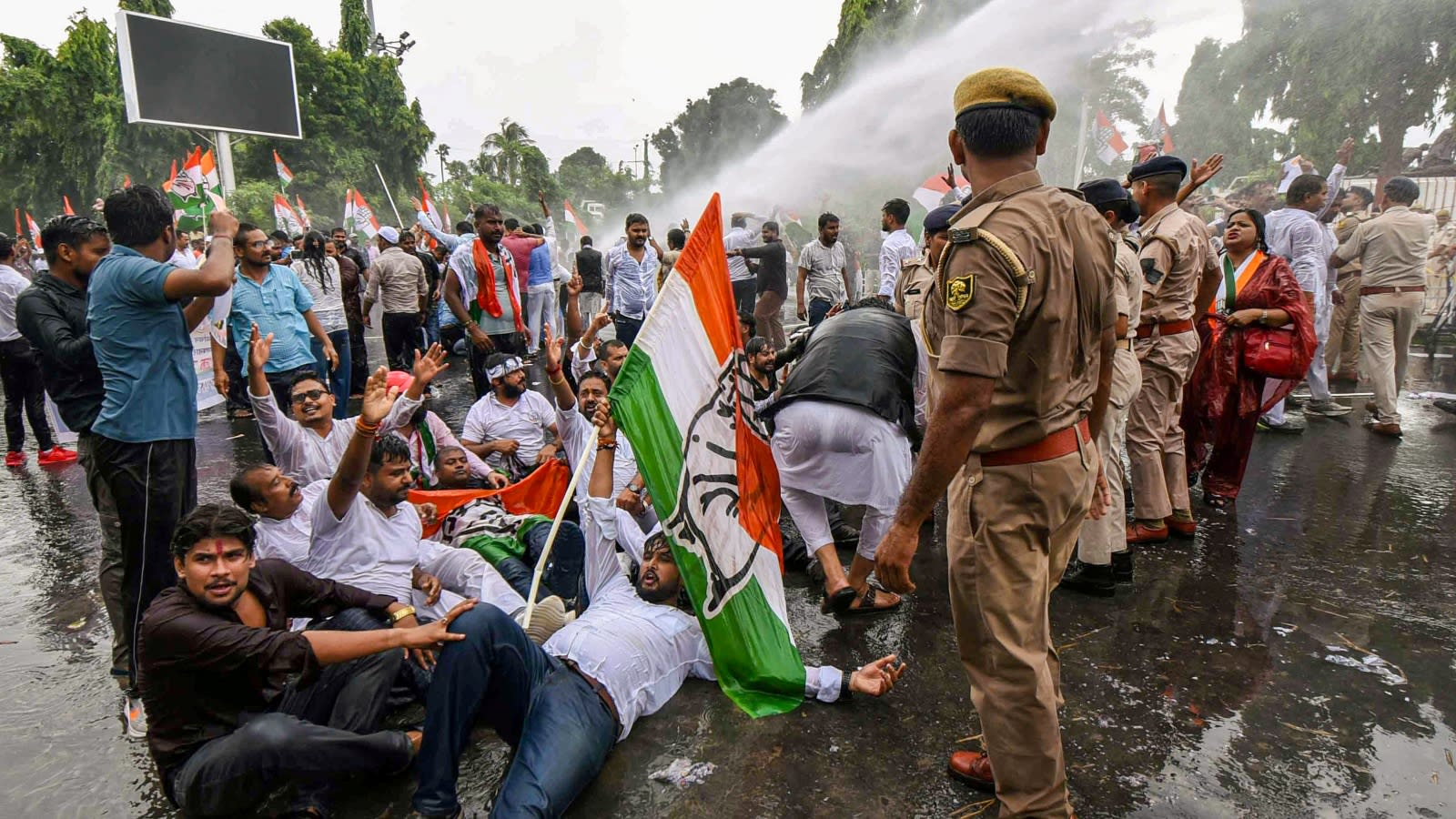
Simultaneously, the Andhra Pradesh Congress Committee (APCC) has escalated its criticism, staging protests in Vijayawada. Led by APCC leaders, the party has demanded the removal of CEC Gyanesh Kumar, citing alleged 'vote theft' and irregularities in the electoral roll revision process. Their call for a judicial inquiry and a halt to the SIR exercise reflects a deep-seated distrust in the current administration of electoral data.
Implications for Electoral Integrity
The contention over the centralization of voter data entry remains a significant point of friction. Critics argue that such centralization may undermine the established roles of local electoral stakeholders. The demand for an independent, third-party inquiry suggests that the opposition is not satisfied with internal ECI explanations, preferring instead a formal judicial intervention to restore public confidence in the voting system.
Future Trends and Institutional Trust
Moving forward, the ECI faces the difficult task of balancing its administrative autonomy with the requirement for public transparency. If the commission continues to face calls for removal and judicial intervention, the pressure to reform its communication strategy will mount. Future electoral cycles will likely be defined by how effectively the ECI can isolate itself from political accusations while providing the rigorous oversight necessary to ensure that 'not even an iota percent of suspicion' remains regarding the sanctity of the Indian vote.
Multiple Citing Sources