YouTuber behind Kolkata restaurant beef row, influencers, RJ and actors funded by BJP during Bengal polls
Source Entity
India Latest News: Top National Headlines Today & Breaking News | The Hindu
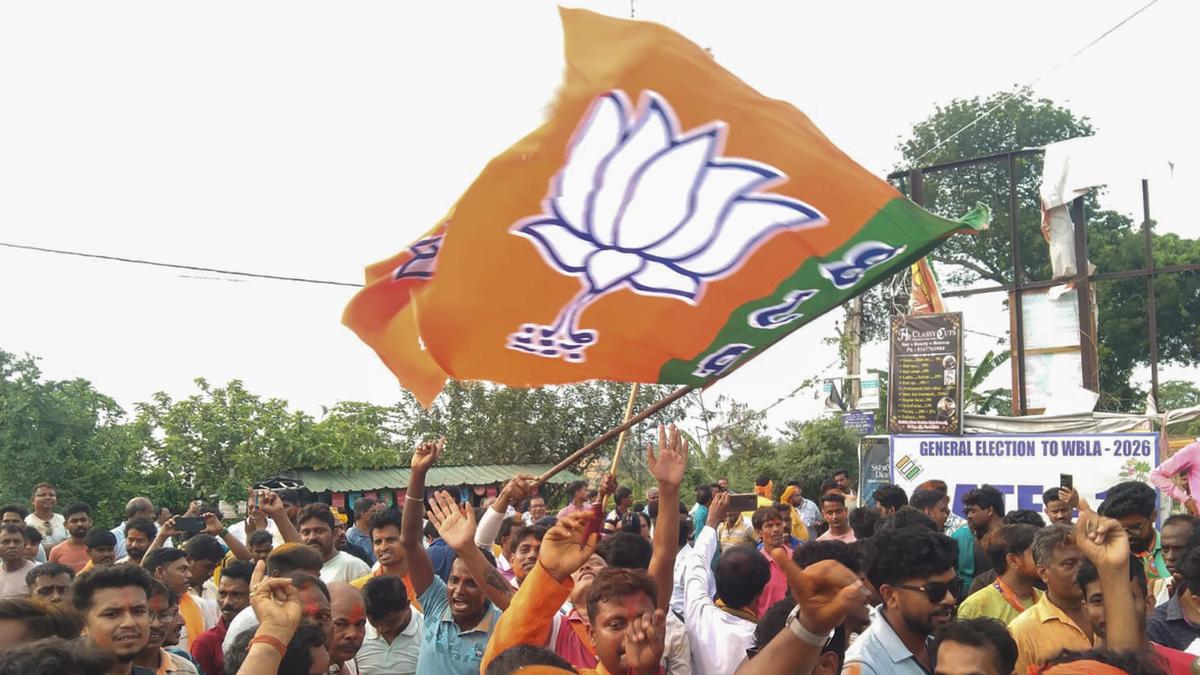
Recent Election Commission filings reveal the BJP paid over ₹55 crore to influencers during the West Bengal assembly polls. The disclosure has sparked a political clash between the TMC and BJP regarding the ethics of digital content creation and political campaigning.
The Intersection of Digital Influence and Political Expenditure
Recent disclosures from the Election Commission of India regarding the Bharatiya Janata Party’s (BJP) expenditure during the West Bengal Assembly elections have unveiled a significant shift in modern political campaigning. The data reveals that the party spent a total of ₹286.99 crore, with a noteworthy ₹55.76 crore allocated specifically to 36 social media personalities and influencers. This expenditure, funneled from the party’s central unit in New Delhi between March 15 and May 6, underscores the growing reliance on digital creators to shape public opinion and disseminate political narratives.
The Controversy Over Content and Funding
The revelation has ignited a fierce political debate, particularly concerning the nature of the content produced by these influencers. Trinamool Congress (TMC) MLA Kunal Ghosh has explicitly accused the BJP of utilizing these funds to manufacture a narrative of religious polarization. This allegation gains traction against the backdrop of specific controversies, such as the incident involving YouTuber Sayak Chakraborty, who received ₹2.5 lakh and was later involved in a high-profile dispute regarding a restaurant in Kolkata’s Park Street. The proximity of such events to the electoral cycle raises critical questions about the role of 'journalistic content' produced by influencers during sensitive political periods.
Transparency and Regulatory Scrutiny
While the BJP state spokesperson, Debjit Sarkar, has defended the payments as being strictly 'by the book' and consistent with standard campaign expenditure reporting, the public nature of these documents invites deeper scrutiny. The use of social media influencers to reach specific demographics is not inherently illegal, but it necessitates a conversation about transparency. When influencers, RJs, and actors are compensated to produce content that mirrors political messaging, the line between organic opinion and paid propaganda becomes blurred, potentially misleading voters who may perceive these endorsements as genuine personal views.
The Evolution of Political Communication
The scale of this investment—₹55.76 crore paid to just 36 individuals—demonstrates that digital outreach is no longer a peripheral strategy but a central pillar of electioneering. By engaging figures who already possess established audiences, political parties can bypass traditional media gatekeepers. This strategy allows for more granular targeting and the rapid deployment of messages that resonate with specific cultural or communal sentiments, which, as seen in the current discourse, can exacerbate societal divisions if left unchecked by editorial standards.
Future Trends in Digital Campaigning
As the influence of digital creators continues to grow, it is highly likely that future election cycles will see even higher allocations for influencer marketing. The challenge for regulatory bodies like the Election Commission will be to develop frameworks that ensure accountability without stifling free speech. Moving forward, the public will likely demand clearer disclosure requirements, where influencers are mandated to label paid political content explicitly. The ongoing fallout from the West Bengal expenditure reports serves as a primary case study for the risks and rewards of a campaign model that effectively weaponizes the creator economy to influence the electoral outcome.
Verification Required?