Gyanesh Kumar should get Padma Bhushan, says Bengal BJP chief Samik Bhattacharya
Source Entity
The Indian Express
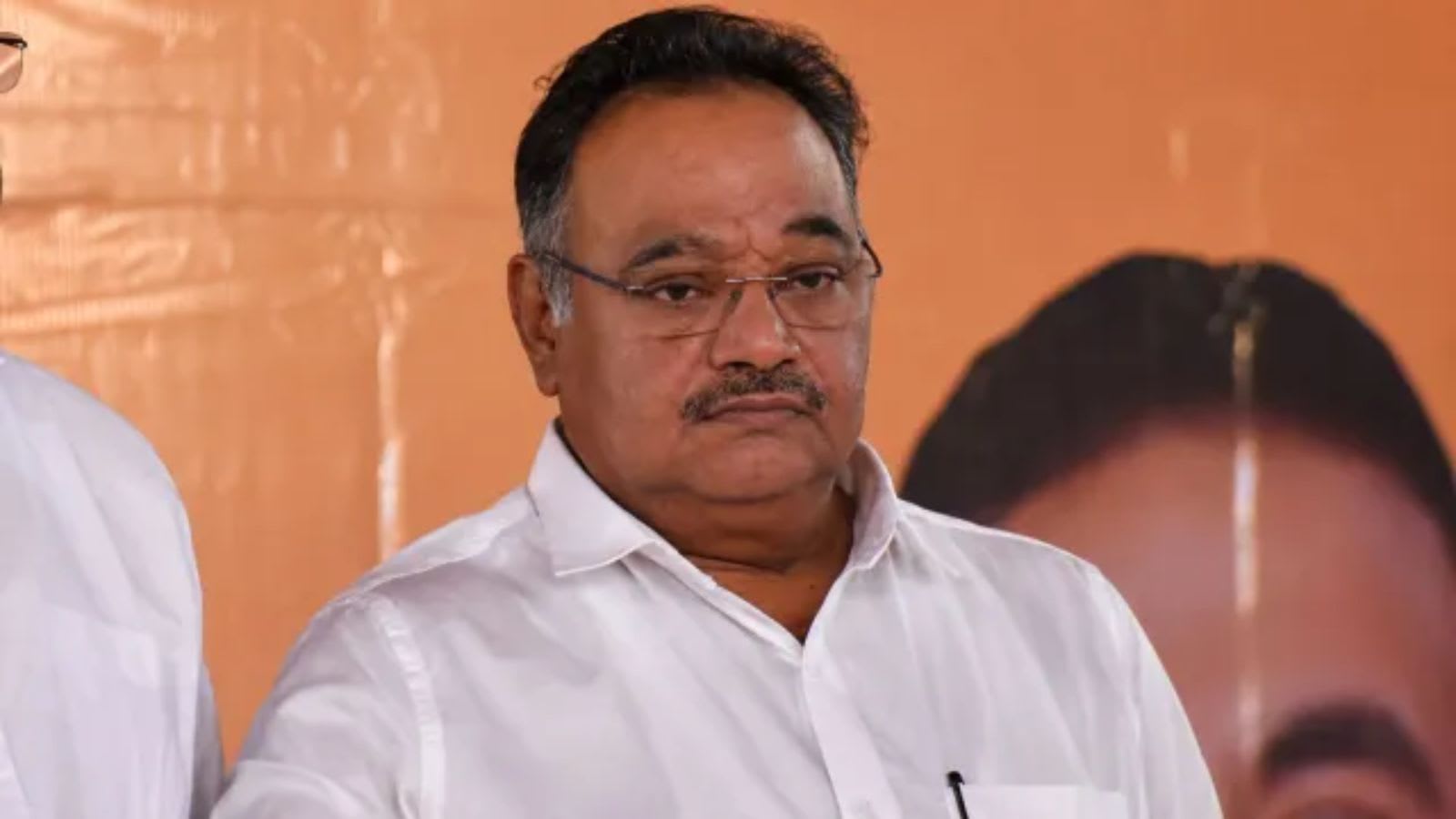
West Bengal BJP chief Samik Bhattacharya has sparked controversy by suggesting CEC Gyanesh Kumar deserves a Padma Bhushan for his handling of state polls. The Congress has mocked this praise as the Opposition pushes for the CEC's removal over alleged procedural irregularities.
Political Controversy Surrounding CEC Gyanesh Kumar
The Catalyst for Conflict
The political landscape in West Bengal has been ignited by a sharp disagreement between the Bharatiya Janata Party (BJP) and the Opposition regarding the conduct of the Chief Election Commissioner (CEC), Gyanesh Kumar. West Bengal BJP chief Samik Bhattacharya recently made headlines by suggesting that the CEC deserves a Padma Bhushan award for his role in overseeing the state's recent Assembly elections. This endorsement comes at a time when the Opposition is actively seeking the removal of the CEC, citing concerns over administrative and procedural transparency within the Election Commission of India (ECI).
BJP's Defense: An Emphasis on Electoral Integrity
Samik Bhattacharya’s support for the CEC is rooted in his assessment of the recent electoral environment in West Bengal. According to the BJP state chief, the election period was marked by a significant reduction in political violence and intimidation compared to previous cycles. Bhattacharya specifically lauded the CEC for his initiative to revise voter lists, particularly the removal of individuals identified as Bangladeshi infiltrators in border regions. For the BJP, these actions represent a restoration of democratic order and the protection of national security interests within the electoral process.
Opposition Allegations and the Motion for Removal
Conversely, the Opposition parties have adopted a firm stance against the CEC. The current tension is exacerbated by reports suggesting that fellow Election Commissioners raised objections regarding Systemic Integrated Reforms (SIR) and other decisions allegedly made without their collective knowledge or consensus. These internal friction points have provided the necessary momentum for the Opposition to plan a motion in Parliament aimed at the removal of the CEC, framing their opposition as a defense of institutional autonomy and constitutional procedure.
The Rhetorical War: From Padma Bhushan to Prime Minister
The discourse surrounding this issue has quickly devolved into political mockery. Congress leader Pawan Khera responded to Bhattacharya’s praise by sarcastically suggesting that a Padma Bhushan is too small a reward, stating, "Make him the Prime Minister." This rhetorical escalation highlights the deepening chasm between the ruling party and the Opposition, where the actions of constitutional authorities are increasingly viewed through the lens of partisan loyalty rather than neutral governance.
Broader Implications for Constitutional Institutions
The controversy surrounding the CEC serves as a broader case study on the pressures facing India's independent institutions. When high-ranking officials are championed by one side and vilified by the other, it creates a crisis of perception that can undermine public trust in the electoral process. The focus on voter list revisions and the alleged lack of transparency in ECI decision-making indicates that the battleground for political supremacy now extends directly into the administrative machinery of democracy.
Conclusion and Future Outlook
As the Opposition moves to challenge the CEC’s position in Parliament, the situation remains highly volatile. The debate over Gyanesh Kumar is not merely about individual performance; it is a proxy war for the structural integrity of the ECI. Future trends suggest that the scrutiny of Election Commission decisions will intensify, particularly regarding internal communication and the implementation of electoral reforms, forcing a critical conversation about the balance between executive efficiency and collective institutional oversight.
Multiple Citing Sources