Marking 'VIPs' routine, was part of SSR even before SIR: Officials
Source Entity
BHARTI JAIN
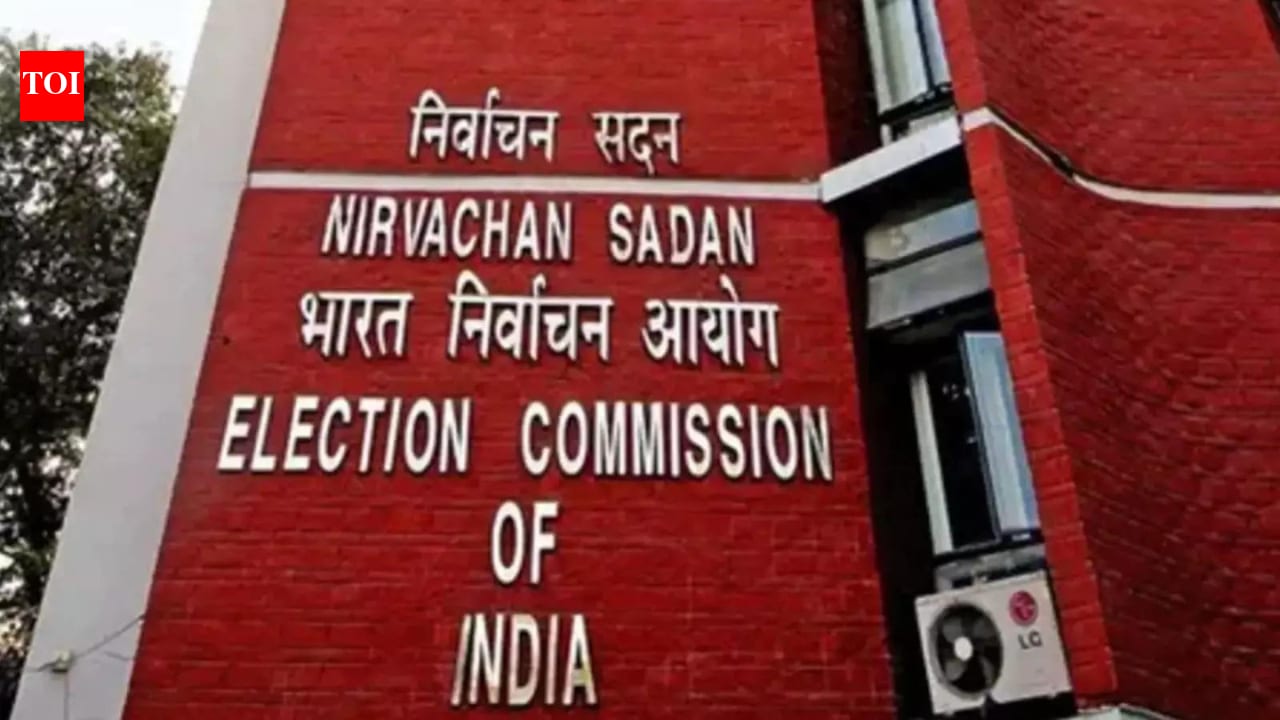
The Election Commission of India is under scrutiny regarding its Special Intensive Revision (SIR) process, involving both high-profile voter validation and legal challenges. Critics have raised concerns over transparency, voter deletions, and evolving documentation requirements for new registrations.
Electoral Integrity and the Special Intensive Revision Process
The integrity of electoral rolls remains a cornerstone of Indian democracy, recently brought into sharp focus by the Election Commission of India’s (ECI) Special Intensive Revision (SIR) process. While high-profile figures—including External Affairs Minister S. Jaishankar, Vice President Jagdeep Dhankhar, and Army Chief Upendra Dwivedi—have had their credentials successfully validated for inclusion in final rolls, the broader administrative mechanics of this process have sparked intense public and legal debate.
Evolving Documentation Standards
A primary point of contention lies in the shifting requirements for Form 6, the standard document for new voter registrations. In Bihar, the ECI introduced a nuanced declaration form that categorizes applicants by birth date: pre-1987, 1987–2004, and post-2004. This shift in procedural requirements—requiring parental documentation for those born between 1987 and 2004—reflects a move toward more stringent verification. However, the fact that these declarations have undergone substantial modifications across different phases of the SIR suggests a dynamic, perhaps inconsistent, regulatory environment that complicates the registration experience for the average citizen.
The 'VIP' vs. 'Commoner' Dichotomy
The contrast between the seamless validation of 'VIP' voters and the challenges faced by the general public highlights a persistent tension in administrative fairness. While the ECI asserts that the verification of prominent individuals followed standard procedures, the optics of such a process are sensitive. For many, the electoral roll represents a fundamental right, and any perception that prominent figures receive prioritized processing while others struggle with complex declaration forms feeds into a narrative of unequal access to democratic participation.
Legal Challenges and Transparency Concerns
The democratic process is currently facing legal headwinds, with a plea filed in the Supreme Court seeking the prosecution of Election Commissioner Gyanesh Kumar and the establishment of a Special Investigation Team (SIT) inquiry. The petitioner’s focus on issues such as the alleged unilateral deletion of voters and a perceived lack of transparency suggests that the ECI's recent methodology is being viewed through a lens of deep skepticism. These legal challenges emphasize the necessity for the ECI to maintain not just procedural correctness, but also institutional transparency.
Implications for Future Electoral Cycles
Looking ahead, the controversy surrounding the SIR process serves as a litmus test for the ECI’s future administrative transparency. If the commission cannot reconcile the need for rigorous verification with the public's right to an accessible and predictable registration process, it risks further erosion of trust. The demand for an SIT inquiry and the public discourse on 'unilateral decision making' indicate that electoral reform must prioritize clear, stable documentation standards that apply uniformly to all citizens, regardless of their public profile. Ultimately, the stability of the electoral roll is the bedrock upon which the legitimacy of India's representative government rests.
Multiple Citing Sources