Election Commission holds crucial meeting amid SIR row, announces key decisions
Source Entity
AASTHA JHA
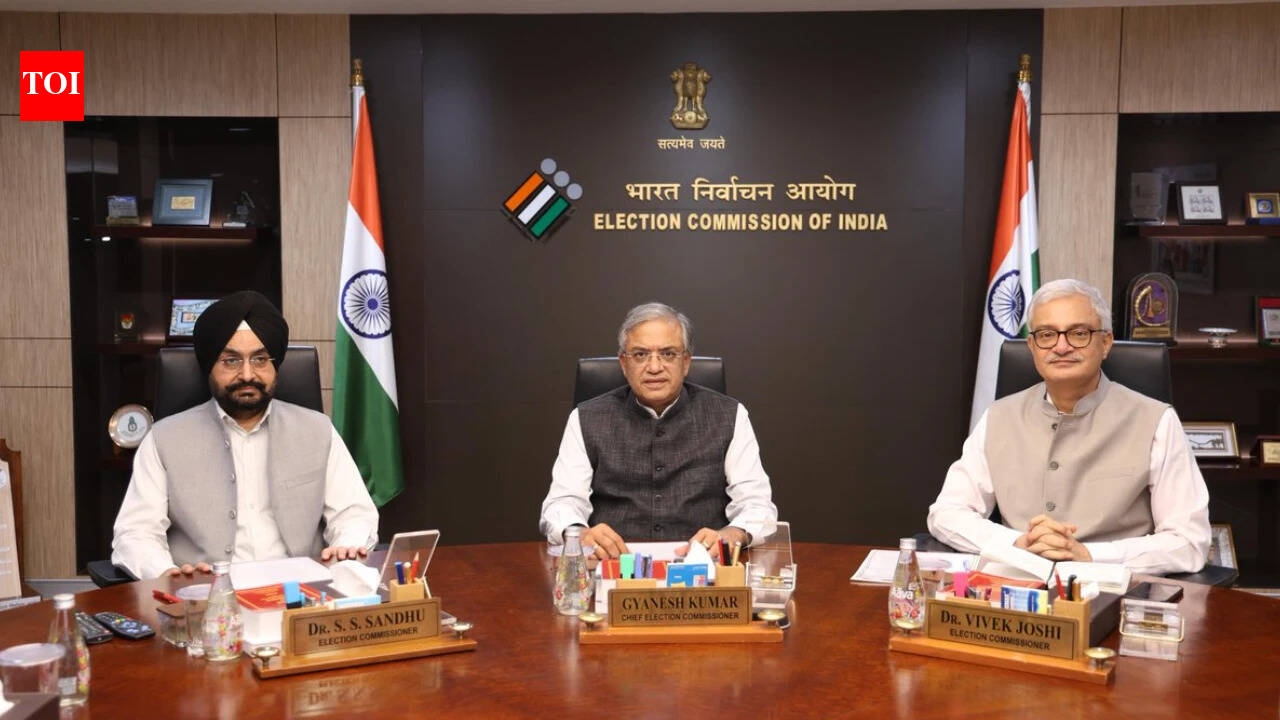
The Election Commission of India is facing mounting pressure as political parties raise concerns over electoral processes and the conduct of Chief Election Commissioner Gyanesh Kumar. While the EC cites logistical factors for scheduling changes, opposition and government allies alike are demanding greater transparency and accountability.
Scrutiny Over Election Commission Processes
The integrity of the electoral process in India has recently come under intense public and political scrutiny, centering on the actions and administrative decisions of the Election Commission (EC) and Chief Election Commissioner Gyanesh Kumar. The discourse has been ignited by a combination of scheduling adjustments for official events and broader allegations regarding the manipulation of electoral rolls.
The Logistical Defense
The Election Commission has officially addressed recent scheduling shifts—specifically the postponement of an event involving Gyanesh Kumar in Uttar Pradesh—by citing "logistical and administrative factors." In the complex machinery of India’s electoral management, such adjustments are often described as routine. However, in the current hyper-partisan climate, these bureaucratic maneuvers are being interpreted by observers as potential signals of deeper instability or lack of coordination within the constitutional body.
Political Pressure and the Call for Transparency
The opposition, particularly the Andhra Pradesh Congress Committee (APCC), has escalated its rhetoric, staging public protests and demanding the removal of the Chief Election Commissioner. The primary grievance involves the Special Intensive Revision (SIR) of electoral rolls and the alleged centralization of voter data entry, which critics fear undermines the local autonomy of electoral administration. The demand for a judicial inquiry reflects a growing distrust in the internal mechanisms of the EC.
The Stance of Political Stakeholders
Interestingly, the concern is not limited to the opposition. Union Minister Chirag Paswan has publicly challenged the Election Commission to clarify its position, emphasizing that the EC must defend its own reputation when fingers are pointed at it. Paswan’s comments highlight a critical constitutional nuance: political parties, whether in government or opposition, lack the institutional access to verify internal EC processes. Therefore, the burden of maintaining public trust rests solely on the shoulders of the Commissioners.
Implications for Democratic Trust
The core of this controversy lies in the sanctity of the electoral roll. By questioning the SIR exercise and calling for a halt to data centralization, stakeholders are voicing a fundamental anxiety about the democratic process. When political figures across the spectrum express the need for the EC to clear doubts, it underscores a precarious moment where the institution’s perceived neutrality is under significant strain.
Future Trends and Institutional Accountability
Looking forward, the Election Commission will likely face increasing demands for digital transparency and procedural oversight. The tension between "logistical necessity" and "political accountability" will define the next phase of the commission's tenure. If the EC cannot effectively communicate the reasoning behind its administrative decisions, the trend of public protests and calls for judicial intervention is likely to persist, further complicating the administration of future electoral cycles.
Multiple Citing Sources