Election Commission extends SIR schedule for three States and Delhi
Source Entity
India Latest News: Top National Headlines Today & Breaking News | The Hindu
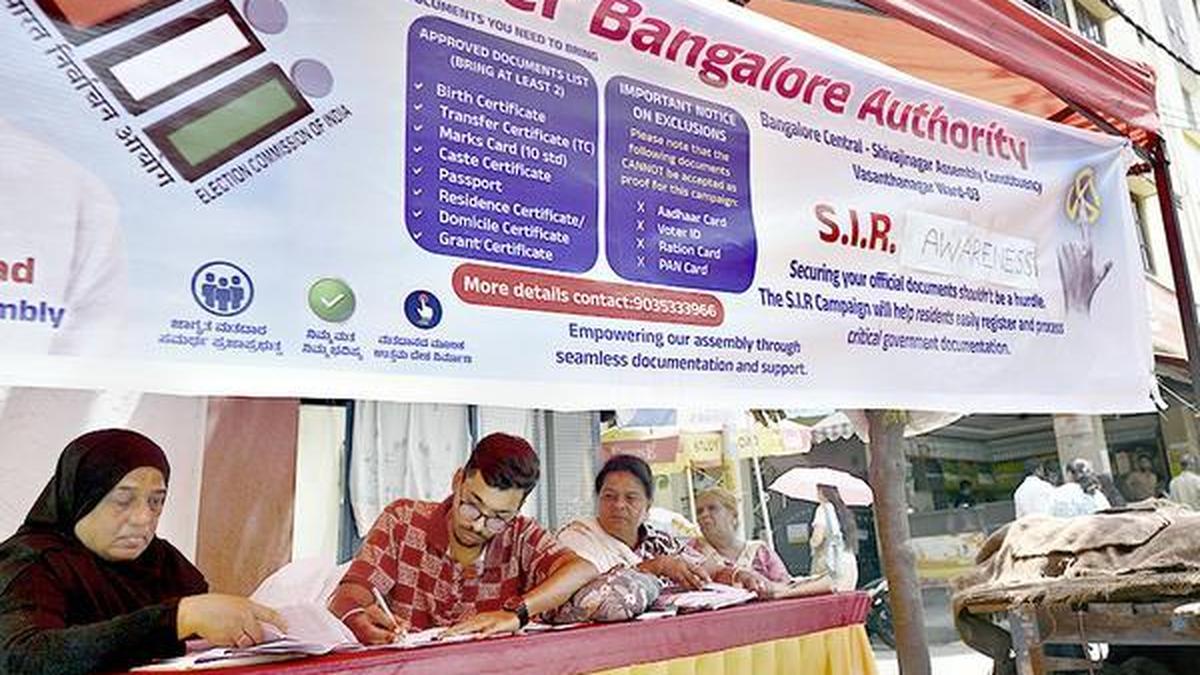
The Election Commission has extended the Special Intensive Revision (SIR) schedule for Delhi and three other states, including Haryana and Andhra Pradesh, which were part of the Phase 3 rollout that commenced on May 14.
Analysis of the Election Commission's SIR Schedule Extension
Overview of the Administrative Adjustment
The Election Commission has officially announced an extension of the schedule for the Special Intensive Revision (SIR) across Delhi and three additional states. Specifically, the commission highlighted that Delhi, Haryana, Andhra Pradesh, and one other state are integral components of 'Phase 3' of this revision process. Having been rolled out on May 14, the SIR is a critical administrative exercise designed to ensure that electoral rolls are accurate, up-to-date, and inclusive of all eligible voters while removing duplicates or deceased entries.
The Significance of Phase 3 Rollout
The timing of the Phase 3 rollout on May 14 suggests a staggered approach to electoral maintenance. By dividing the country into phases, the Election Commission can allocate manpower and resources more effectively, ensuring that local electoral registration officers (EROs) can conduct thorough door-to-door verifications. The inclusion of diverse regions—ranging from the urban density of Delhi to the varying demographic landscapes of Haryana and Andhra Pradesh—indicates that the commission is dealing with a wide array of logistical challenges, from urban migration patterns to rural accessibility.
Implications of the Schedule Extension
An extension of a regulatory schedule typically signals a commitment to quality over speed. In the context of the SIR, rushing the process could lead to the disenfranchisement of eligible voters or the inclusion of ineligible ones, both of which could be challenged during an election. By extending the timeline, the Election Commission is likely providing more room for the verification of claims and objections, ensuring that the final electoral roll is legally robust and resistant to litigation. This is particularly crucial in high-stakes political environments where small margins of victory can make the accuracy of the voter list a point of intense contention.
Regional Context and Challenges
Each of the mentioned areas presents unique hurdles. In Delhi, the high volume of floating populations and frequent residential shifts necessitate a more rigorous revision process to capture newly arrived residents. In Haryana and Andhra Pradesh, the focus may be more on verifying agrarian populations and managing shifts in demographic data. The extension allows for a more granular approach to these specific regional needs, ensuring that the 'intensive' nature of the revision is not compromised by strict deadlines.
Broader Impact on Democratic Integrity
The SIR process is the bedrock of a fair election. When the Election Commission ensures that the voter list is pristine, it minimizes the risk of electoral fraud and enhances public trust in the democratic process. This extension reflects a broader trend of electoral bodies moving toward more transparent and inclusive registration mechanisms. By allowing more time for Phase 3, the commission is prioritizing the fundamental right to vote, ensuring that no eligible citizen is left off the rolls due to administrative haste.
Conclusion and Future Outlook
In summary, the extension of the SIR schedule for Delhi, Haryana, Andhra Pradesh, and the third state is a strategic move to safeguard the integrity of the upcoming electoral cycles. While it may delay the finalization of the rolls, the long-term benefit is a more accurate and inclusive database. Moving forward, it is expected that the Election Commission will continue to refine these phased rollouts, potentially integrating more digital verification tools to reduce the need for such extensions in future cycles.
Verification Required?