Form probe team, move against CEC Gyanesh Kumar: Petitioner to Supreme Court
Source Entity
The Indian Express
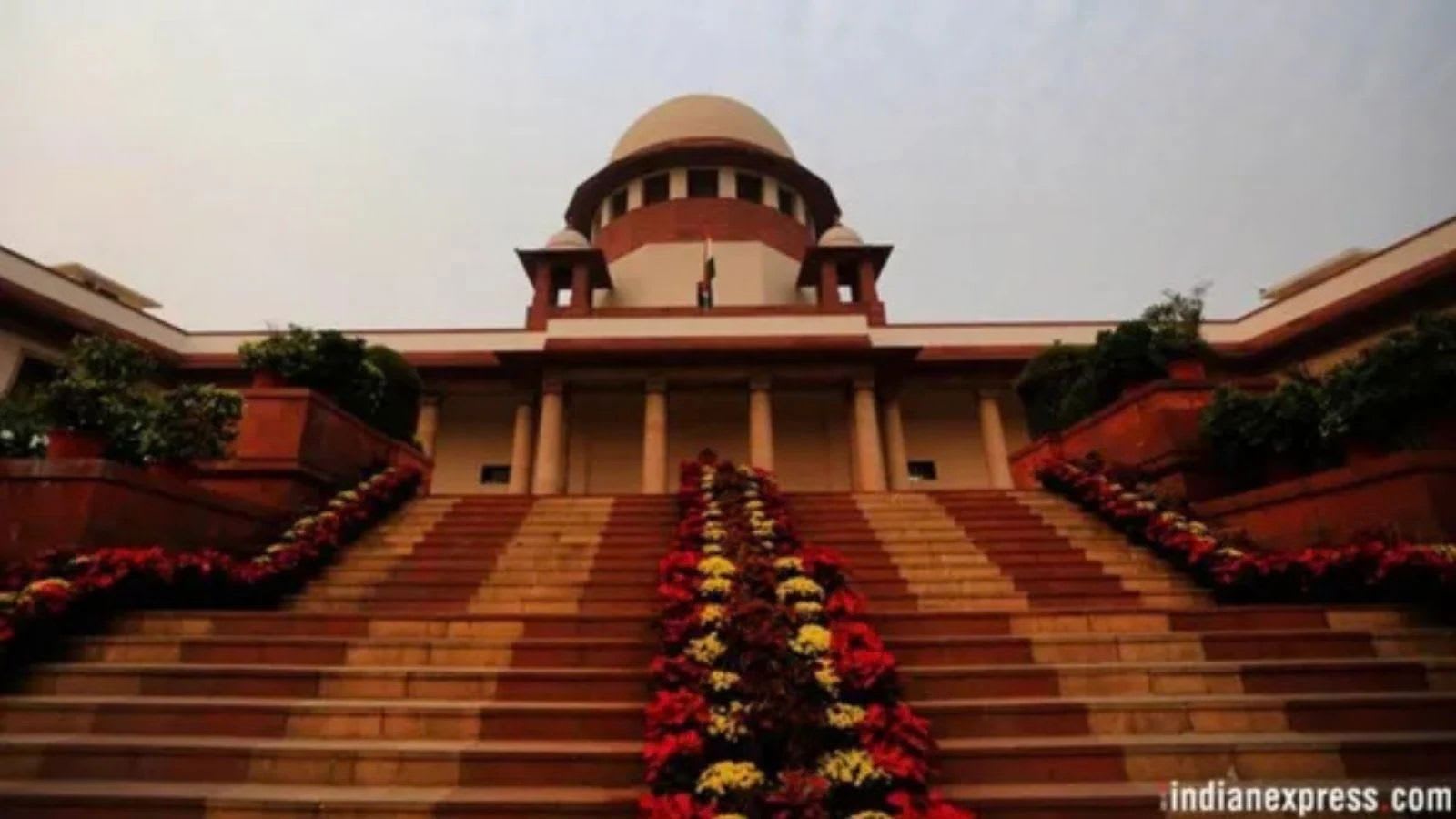
The Election Commission faces scrutiny over electoral roll management, including the validation of high-profile voters and a Supreme Court petition alleging mass deletions. Simultaneously, technical changes to voter registration forms in Bihar have sparked debate over documentation requirements for new applicants.
Electoral Integrity and Administrative Scrutiny in India
Recent developments regarding the Election Commission of India (ECI) have spotlighted the complexities of managing the world's largest electoral rolls. As the Commission prepares final rolls, a dichotomy has emerged between the streamlined validation of 'VIP voters'—such as External Affairs Minister S. Jaishankar, Vice President Jagdeep Dhankhar, and Army Chief Upendra Dwivedi—and the broader, more contentious issues surrounding mass voter deletions and administrative procedural changes.
The VIP Validation Process
The ECI has utilized the 'Special Intensive Revision' (SIR) notices to verify the credentials of prominent individuals in New Delhi. By allowing both online and offline submission of responses, the Commission has maintained standard operational procedures to ensure that high-profile entries are accurate. While this reflects a commitment to administrative precision for national figures, it stands in stark contrast to the challenges faced by ordinary citizens whose livelihoods often conflict with the time-intensive nature of electoral registration and verification.
Legal Challenges and Institutional Oversight
A significant legal challenge has been brought before the Supreme Court by lawyer Shailendra Mani Tripathi. The petition demands an independent investigation, specifically requesting a Special Investigation Team (SIT) to audit the ECINet and ERONet databases. The core of this grievance involves the alleged deletion of 13 crore names across 30 States and Union Territories. Furthermore, the petitioner has challenged the authority of Chief Election Commissioner Gyanesh Kumar, seeking to declare decisions made without full Commission concurrence as illegal.
Procedural Evolution in Bihar
Parallel to these national concerns, the ECI has implemented evolving documentation standards for voter registration (Form 6). In Bihar, the declaration accompanying Form 6 has undergone substantial modifications since the initiation of the SIR process last year. These changes now mandate specific documentation based on birth date brackets—categorized by pre-1987, 1987-2004, and post-2004 cohorts. This tiered documentation requirement necessitates that younger applicants provide both their own and their parents' credentials, marking a shift in the administrative burden placed on potential voters.
Broader Implications for Democracy
The friction between digital database management and the physical reality of voter registration highlights a critical juncture for Indian electoral governance. The demand for an end-to-end audit of digital infrastructure suggests a growing public concern regarding the transparency of algorithmic or database-driven deletions. As the Supreme Court considers these petitions, the outcome may redefine the standard of oversight required for the ECI’s technological initiatives.
Conclusion
The current situation underscores the tension between necessary administrative modernization and the imperative of inclusive, transparent governance. Whether through the lens of VIP validation or the contested mass deletion of voters, the ECI remains under intense scrutiny. The resolution of the pending Supreme Court case and the standardization of registration forms will likely serve as a barometer for the health of India's electoral processes in the coming years.
Multiple Citing Sources