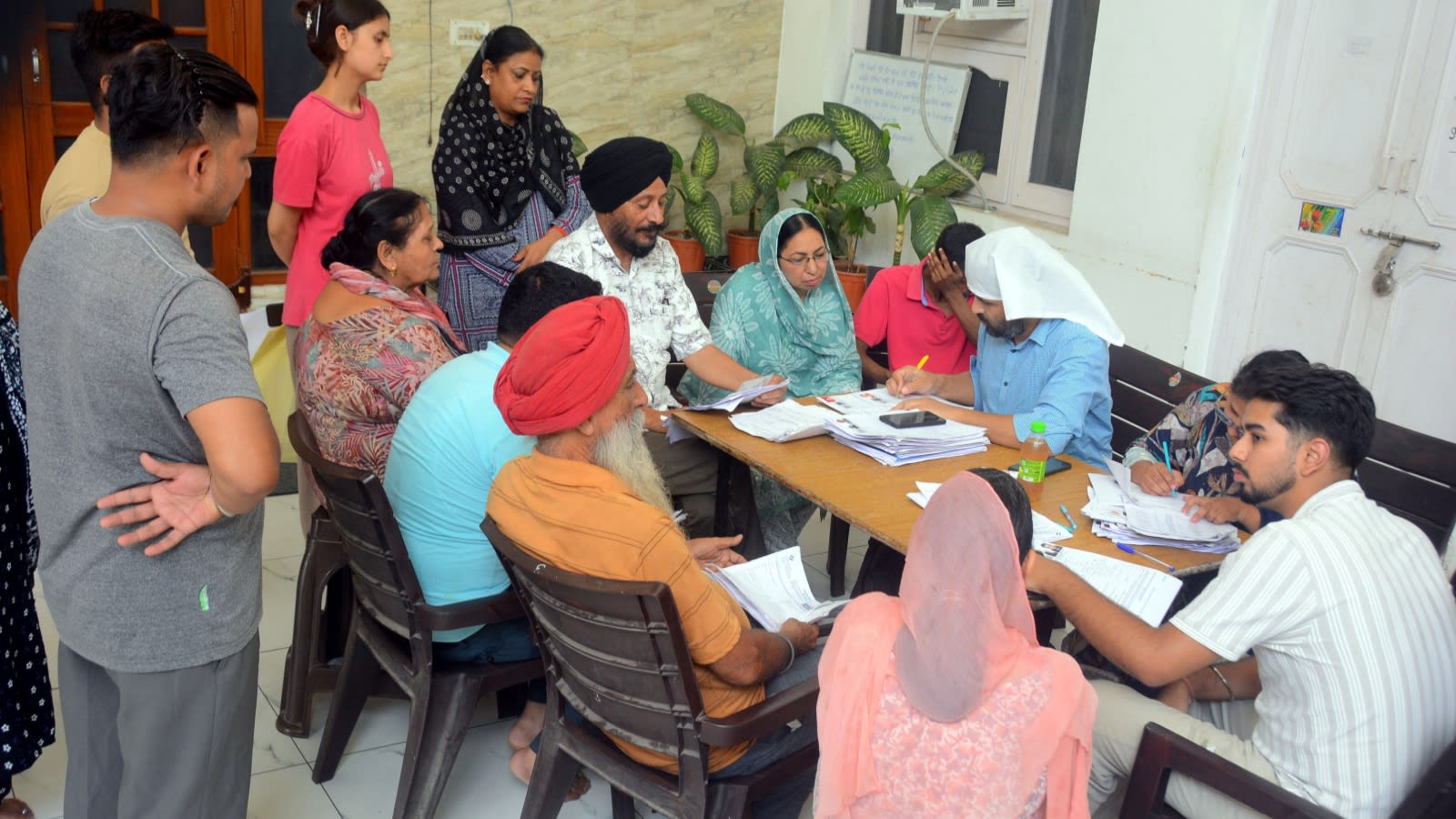
A martyr’s mother, lawyer & kin, chai-parantha sellers’ family — all missing in Chandigarh’s electoral revision
Source Entity
Hina Rohtaki
Police have registered FIRs in Bengaluru and Hyderabad against political party agents for allegedly submitting mass, fraudulent Form-7 applications to delete voters. These incidents, occurring during electoral roll revisions, highlight growing concerns over the integrity of the voter registration process.
Systematic Challenges to Electoral Integrity
The recent registration of FIRs in Bengaluru and Hyderabad marks a concerning trend in the management of electoral rolls during the Special Intensive Revision (SIR) process. In Malleswaram, Bengaluru, an FIR was filed following a complaint by Congress leader Anoop Iyengar, alleging that a BJP-linked Booth Level Agent (BLA-2) submitted false Form-7 applications to delete 136 voters. This incident is not isolated; it represents the third such legal action in Bengaluru, signaling a systemic attempt to manipulate voter rolls at the local level.
The Pattern of Mass Deletions
The modus operandi observed in these cases involves the use of pre-printed Form-7 applications—the standard document used to request the deletion of a name from the electoral roll. In both the Bengaluru case and the Musheerabad incident in Hyderabad, where a BJP agent was booked for attempting to delete 30 voters, the forms were presented in bulk. Crucially, reports indicate that these forms often lack the required signatures of the applicants, turning the administrative mechanism of voter verification into a tool for potential disenfranchisement.
Pressure on Booth Level Officers (BLOs)
Booth Level Officers (BLOs) serve as the frontline defenders of electoral accuracy, yet they are increasingly finding themselves under duress. Following the initial discovery of these irregularities in Musheerabad, similar patterns emerged in Bahadurpura and Goshamahal. The pressure on these officials to accept unsigned or fraudulent forms has become so pronounced that Electoral Registration Officers (EROs), such as Uma Prakash in Goshamahal, have had to issue formal warnings to political parties against the intimidation of staff and the submission of non-compliant documents.
Legal and Procedural Consequences
The legal response to these attempts has been swift, utilizing both the Bharatiya Nyaya Sanhita (BNS) and the Representation of the People Act, 1950. By charging individuals under Section 31 of the Representation of the People Act, authorities are signaling that the submission of false declarations is a criminal offense that threatens the democratic foundation of the state. These prosecutions serve as a deterrent, yet the recurrence of the issue suggests that political actors may be testing the resilience of the current administrative oversight.
Broader Implications for Future Elections
These developments highlight a critical vulnerability in the electoral process: the reliance on political party agents to assist in roll maintenance. While BLAs are intended to facilitate transparency, the abuse of this role to prune opposition-leaning voters suggests a need for stricter oversight of the SIR process. As electoral rolls are the bedrock of any democracy, the integrity of these lists directly impacts the legitimacy of the outcome. Future revisions will likely require enhanced digital verification and mandatory biometric or physical proof of intent for every deletion request to prevent mass manipulation.
Conclusion
The situation across Bengaluru and Hyderabad underscores the necessity for vigilance during the Claims and Objections phase of electoral roll revisions. While the registration of FIRs demonstrates that the existing legal framework is capable of addressing these irregularities, the persistence of the issue indicates a wider challenge. Ensuring that the democratic process remains free from partisan interference will require a combination of stricter enforcement, protection for election officials, and increased public awareness regarding the sanctity of voter roll integrity.
Multiple Citing Sources