All 10 Rajya Sabha candidates from UP set to get elected unopposed
Source Entity
TNN
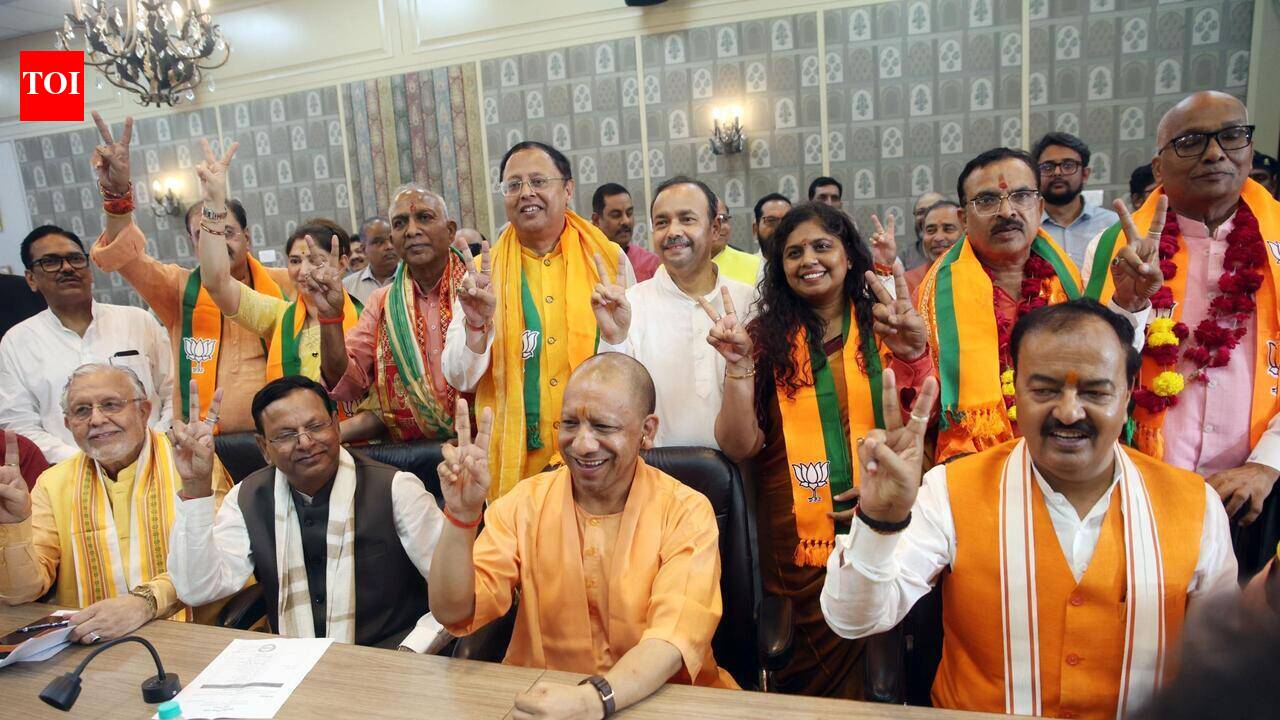
The BJP and Samajwadi Party have finalized their Rajya Sabha nominations in Uttar Pradesh, ensuring all 10 candidates will be elected unopposed. This decision follows the SP's withdrawal of plans for a third candidate, effectively avoiding a legislative contest.
Rajya Sabha Nominations: A Shift Toward Unopposed Elections in Uttar Pradesh
The Political Landscape of the Upper House
The recent filing of nominations for 10 Rajya Sabha seats in Uttar Pradesh has concluded with a clear path for all candidates, as the Bharatiya Janata Party (BJP) and the Samajwadi Party (SP) have opted for a predictable outcome. By filing eight and two candidates respectively, the parties have ensured that all nominees will secure their seats without the need for a formal election. This development underscores the current legislative arithmetic within the UP Assembly, where the BJP maintains a dominant majority.
BJP's Display of Organizational Strength
The nomination process in Lucknow turned into a significant demonstration of political mobilization. Chief Minister Yogi Adityanath, alongside Deputy Chief Ministers Keshav Prasad Maurya and Brajesh Pathak, led the BJP contingent to the Vidhan Bhawan. This high-profile presence of the state's top leadership, accompanied by state party president Pankaj Chaudhary, signals the party's intent to maintain absolute control over the Upper House representation from the state, reflecting a synchronized effort between the government and the party organization.
Strategic Retreat by the Samajwadi Party
The Samajwadi Party’s decision to limit its nominations to two seats is a notable tactical shift. Initially, reports suggested that SP chief Akhilesh Yadav was considering a third candidate, a move that would have forced a contest. However, the party ultimately chose to avoid this, likely citing the difficulty in securing the necessary numbers to ensure a win. This decision prevents a high-stakes confrontation that could have exposed internal fractures within the opposition ranks.
The Shadow of the Upcoming Assembly Elections
With the state Assembly elections looming just over four months away, the SP's decision is deeply intertwined with broader electoral strategy. Fielding a third candidate would have required a complex effort to cobble together votes, potentially risking a public defeat. By opting for an unopposed election, the SP appears to be prioritizing the preservation of its existing resources and unity ahead of the critical 2027 polls, rather than engaging in a symbolic battle in the Rajya Sabha.
Broader Implications for Legislative Harmony
The avoidance of a contest in these Rajya Sabha elections points to a period of relative legislative stability regarding the Upper House, but it also reflects the rigid nature of the current assembly's composition. For the BJP, this result solidifies their legislative agenda, ensuring that their nominees face no hurdles in the upper chamber. For the opposition, the move is a pragmatic acknowledgment of the current numerical reality in the Vidhan Sabha.
Conclusion: A Quiet Path Forward
As the nomination scrutiny concludes on October 9, the formal declaration of these 10 candidates will mark the end of the process. The unopposed election serves as a snapshot of the current political equilibrium in Uttar Pradesh, where the BJP’s dominance remains unchallenged for the time being, and the opposition is recalibrating its focus toward the upcoming state elections rather than immediate legislative skirmishes.
Multiple Citing Sources