Eli Lilly CEO tells CNBC one-third of new GLP-1 pill patients are taking Foundayo, as drugmaker ramps up production
Source Entity
US Top News and Analysis
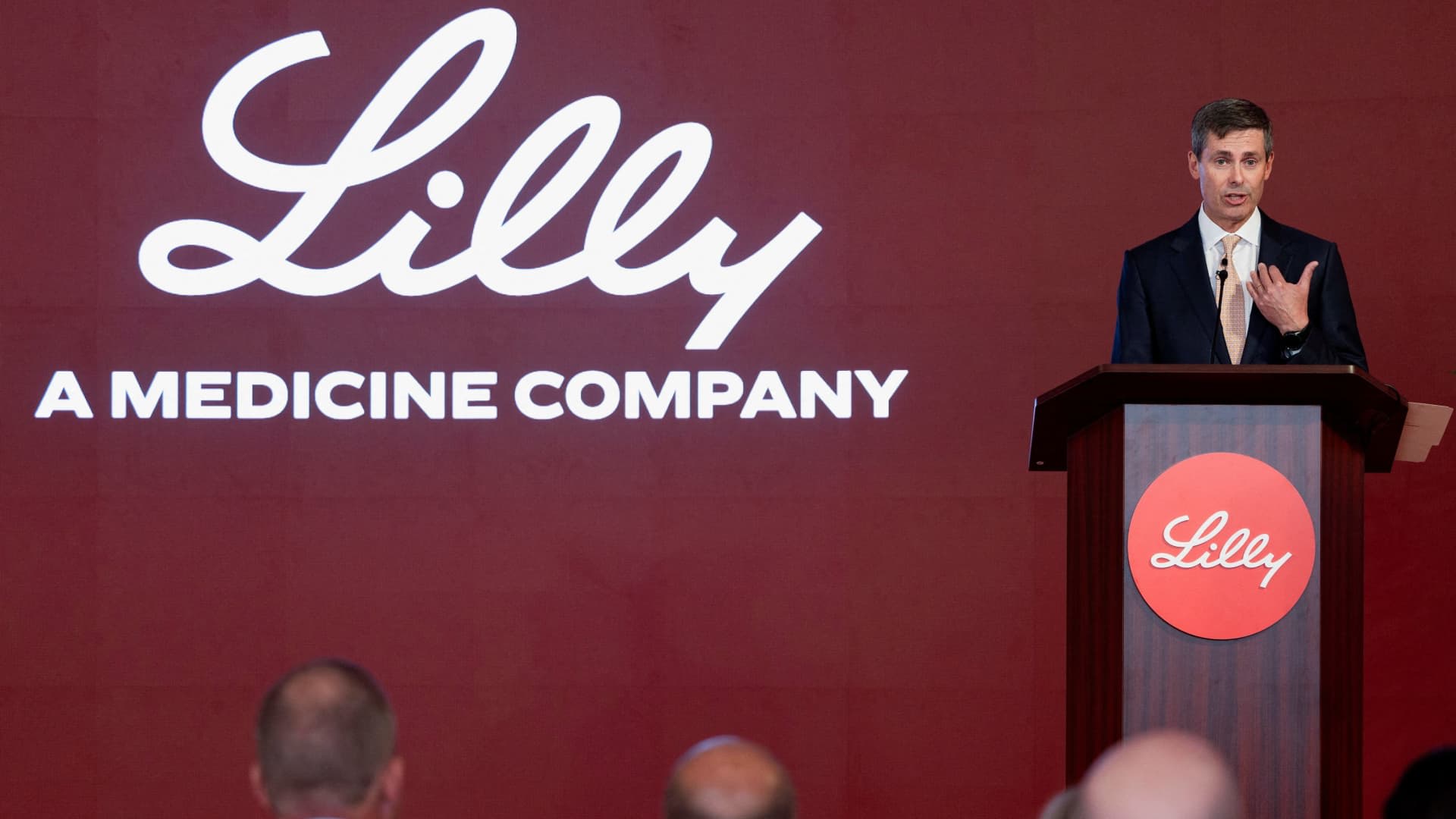
Eli Lilly is rapidly expanding its production capacity with a $6.5 billion facility to challenge Novo Nordisk in the oral GLP-1 market. Meanwhile, Novo Nordisk shares dipped as investors reacted to the company's long-term growth strategy.
The Battle for the GLP-1 Market: Lilly vs. Novo
The pharmaceutical landscape is currently defined by the intense competition between Eli Lilly and Novo Nordisk, the two dominant forces in the high-growth GLP-1 obesity and diabetes drug market. As demand for these treatments skyrockets, both firms are pivoting from initial market entry to massive scaling operations to ensure long-term dominance.
Eli Lilly's Aggressive Infrastructure Expansion
Eli Lilly CEO Dave Ricks recently highlighted the company's strategic commitment to the oral GLP-1 segment, exemplified by the groundbreaking of a $6.5 billion manufacturing facility at Generation Park in Houston, Texas. This 240-acre site represents a significant capital expenditure aimed at closing the production gap with its Danish rival. By establishing this massive footprint, Lilly is signaling to the market that it intends to be a long-term leader in the pill-based treatment space, with the plant expected to be operational by 2030.
Foundayo and the Shift to Oral Medications
Lilly's confidence is buoyed by the performance of its oral drug, Foundayo. Ricks noted that one-third of new patients in the oral GLP-1 market are choosing Foundayo, with market share growing on a weekly basis. This shift is critical; while injectable treatments have historically dominated, the convenience of a pill offers a distinct competitive advantage. Lilly's plan to expand Foundayo into international markets in the coming months suggests a concerted effort to capture global demand before competitors can establish a stronger foothold.
Investor Skepticism and Novo Nordisk's Strategy
Conversely, Novo Nordisk, the pioneer of the GLP-1 space, faces a challenging period of market adjustment. The company’s shares fell significantly following the announcement of its post-Wegovy growth strategy. Investors appear to be looking for immediate catalysts to reverse recent momentum, and Novo's focus on a 2035 revenue target of 150 billion Danish kroner failed to provide the short-term excitement many shareholders were seeking.
The Future of the Obesity Drug Market
Looking ahead, the industry is entering a phase of maturation. Novo Nordisk aims to launch more than five "multi-blockbuster" drugs by 2030, a clear signal that the company is looking beyond its current flagship products to maintain its growth trajectory. However, as the field becomes increasingly crowded, the ability to manufacture at scale—a hurdle Lilly is addressing with its Houston site—will become as important as the efficacy of the drugs themselves.
Conclusion
The current volatility in the stock market reflects the high stakes involved in the weight-loss drug sector. While Novo Nordisk continues to leverage its early-mover advantage to build a diverse pipeline, Eli Lilly’s rapid scaling of oral medication production creates a formidable challenge. The coming years will be defined by which company can better balance massive infrastructure investments with the need to satisfy investor demand for immediate growth.