Neighbors in rural Texas county are not happy about Elon Musk’s plan to erect world’s largest building
Source Entity
MarketWatch.com - Top Stories
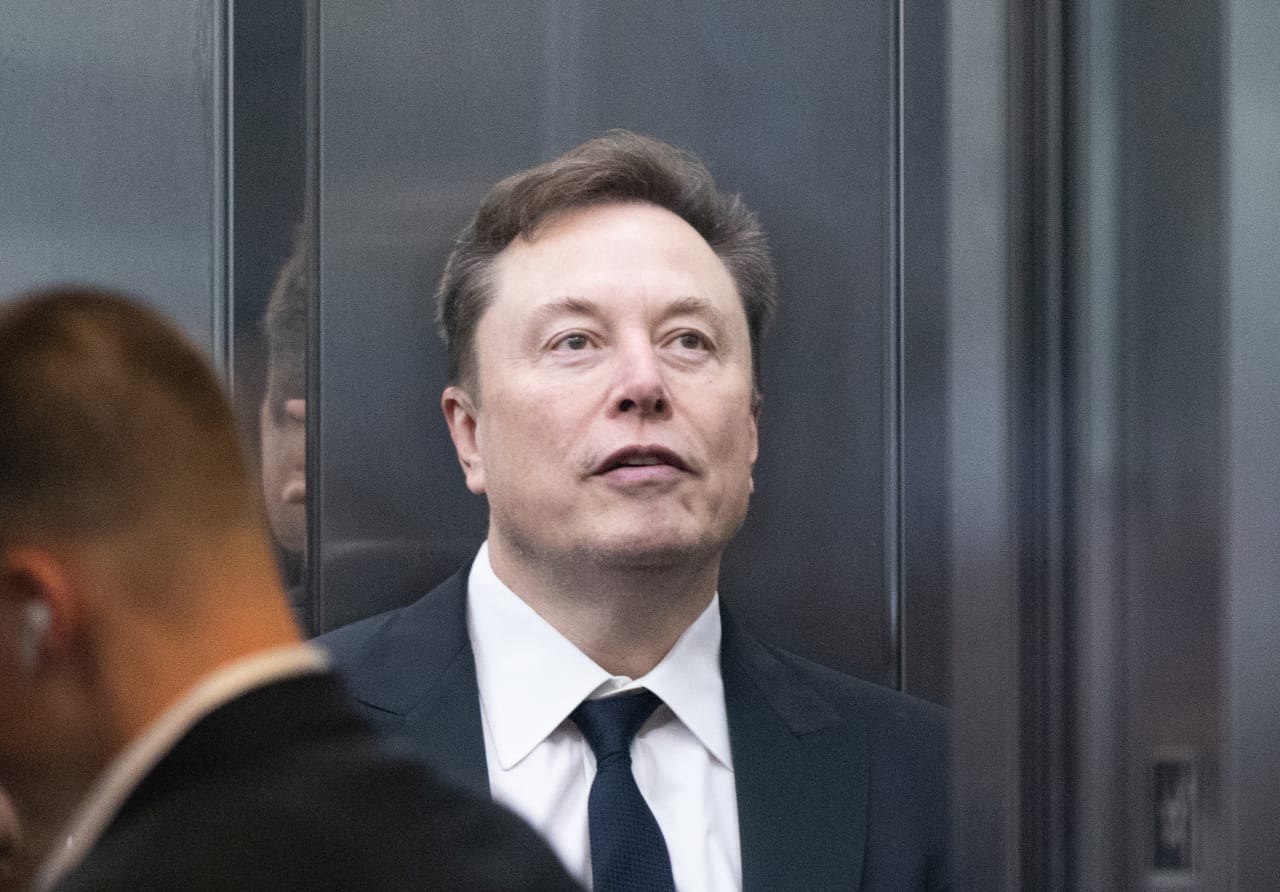
Elon Musk is planning to build a massive semiconductor factory in a rural Texas county. Local residents have expressed significant concerns regarding the project's scale and its potential impact on their community.
The Scale of the Proposal
Elon Musk’s latest industrial endeavor in rural Texas has sparked significant local apprehension due to its unprecedented physical footprint. Reports indicate that the planned semiconductor facility is designed to be the largest building in the world, described by observers as being the equivalent of 1,000 Costco stores combined. This massive scale suggests a strategic pivot toward domestic chip manufacturing, a sector currently viewed as critical for national economic sovereignty and technological independence.
Local Community Concerns
The introduction of an industrial project of this magnitude into a rural landscape naturally invites scrutiny from the existing population. Residents in the affected Texas county are voicing concerns regarding the environmental, infrastructural, and social impacts of such a colossal structure. When a project reaches the scale of 1,000 Costco stores, the requirements for utilities, water, and power can irrevocably alter the local environment, creating friction between rapid industrial development and the preservation of rural quality of life.
Strategic Implications for Semiconductors
Semiconductor manufacturing is a capital-intensive industry that requires immense physical space and highly specialized infrastructure. By choosing a rural Texas site, Musk is likely seeking the vast tracts of land necessary to house the world’s largest building while leveraging the state's business-friendly regulatory environment. This move aligns with broader industry trends aimed at repatriating microchip production to the United States to insulate supply chains from global geopolitical volatility.
Economic and Infrastructure Challenges
The construction and eventual operation of a facility this size pose significant logistical hurdles. The sheer volume of labor, construction materials, and ongoing operational resources required to sustain a factory of this magnitude could overwhelm existing local infrastructure. Residents are likely concerned about the strain on roads, emergency services, and local resources that were not originally designed to support a mega-industrial hub of this unprecedented size.
Historical Context of Industrial Expansion
Throughout history, the arrival of massive industrial projects in rural areas has often been a double-edged sword. While such facilities promise job creation and economic growth, they often fundamentally reshape the social fabric of the community. In this instance, the tension between the ambitious technological goals of a trillionaire entrepreneur and the localized interests of rural homeowners highlights the ongoing struggle to balance national innovation with regional stability.
Future Trends and Outlook
Looking ahead, this project will likely serve as a litmus test for how large-scale industrial projects are managed in the modern era. As the demand for semiconductors continues to grow, the pressure to build massive facilities will persist. The outcome of the dialogue between Musk’s team and the Texas residents will provide a precedent for how future "gigaprojects" are negotiated, potentially influencing how companies approach community engagement and environmental stewardship in the coming decade.
Verification Required?